Social Security Scams: Stay Safe in 2026
Discover the latest Social Security scams targeting Americans in 2026 and master proven strategies to protect your identity and benefits from fraudsters.
Social Security scams have surged in sophistication, with fraudsters impersonating the Social Security Administration (SSA) to steal personal data and money. In 2025, the Federal Trade Commission (FTC) recorded over 330,000 government impersonation complaints, a 25% increase from prior years, costing victims millions.
The Growing Threat of SSN Fraud
Criminals target Social Security numbers (SSNs) because they unlock access to benefits, credit, loans, and more. Over 1.4 million Americans face identity theft yearly, often starting with SSN compromises. Scammers exploit data breaches, using leaked information to craft convincing cons.
These schemes thrive on fear, urgency, and trust in government agencies. Victims lose money via untraceable methods like wire transfers or gift cards, while stolen SSNs fuel long-term fraud like fake tax filings or medical identity theft.
How Social Security Scams Unfold Step by Step
Fraudsters follow a calculated playbook to ensnare targets:
- Initial Outreach: Robocalls, texts, emails, or fake letters claim issues with your SSN or benefits.
- Fear Induction: Warnings of suspension, arrest, or lost payments create panic.
- Urgent Demands: Pressure to verify info or pay immediately via irreversible channels.
- Exploitation: Stolen data leads to credit fraud, benefit theft, or employment scams.
This pattern repeats across channels, making vigilance essential.
Top Social Security Scam Tactics in 2026
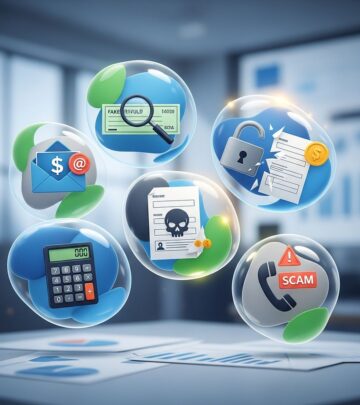
Scammers adapt quickly, incorporating AI and deepfakes. Here are the predominant types:
| Scam Type | Description | Common Phrases | Risks |
|---|---|---|---|
| Phone Impersonation | Spoofed SSA numbers with robocalls demanding verification. | “Your SSN is suspended—press 1 now.” | SSN theft, wire fraud. |
| Phishing Emails/Texts | Links to fake sites or malware downloads disguised as statements. | “Download your Social Security statement.” | Identity theft, malware. |
| Fake Websites | Cloned SSA.gov pages harvesting credentials. | “Verify account for COLA update.” | Bank info compromise. |
| Social Media Fakes | Imposter profiles promising benefit upgrades. | “Claim your upgrade—message us.” | Personal data exposure. |
| Government Combo Scams | Pairing SSA with IRS/FBI threats. | “SSN under investigation—pay or arrest.” | Financial loss, legal scares. |
Four Key Signs You’re Facing a Scam
The SSA outlines the “Four P’s” to spot fraud:
- Pretend: Claiming to be SSA via unsolicited contact.
- Prize or Problem: Alerts about benefit issues or SSN flags.
- Pressure: Demands for instant action.
- Payment: Requests for money or sensitive info.
Additional red flags include non-.gov emails, threats of arrest, or fake badge numbers. SSA never demands payment or info this way.
Real-Life Impacts and Statistics
Identity theft resolution can drag on for years, damaging credit and finances. In 2025, SSA imposter scams topped fraud reports, with texts and emails surging. Recent OIG alerts highlight fraudulent “Social Security statement” emails mimicking official formats but linking to malware sites.
Events like National Slam the Scam Day on March 5, 2026, unite SSA, OIG, and FTC to educate communities, emphasizing proactive defense.
Proven Steps to Protect Yourself
- Verify Independently: Contact SSA directly at 1-800-772-1213 or ssa.gov—never use provided numbers.
- Avoid Links/Attachments: Type URLs manually; official emails end in .gov.
- Monitor Accounts: Check my Social Security and credit reports regularly.
- Use Security Tools: Enable spam filters, two-factor authentication.
- Educate Family: Share tips with vulnerable relatives.
What to Do If Targeted
Act fast:
- Hang up/block contacts.
- Report to SSA at ssa.gov/scam.
- File with FTC at ReportFraud.ftc.gov.
- Contact OIG if benefits involved.
- Freeze credit via Equifax, Experian, TransUnion.
- Alert banks; change passwords.
Quick reporting disrupts scammers and aids investigations.
Emerging Threats: AI and Beyond
2026 sees AI voice cloning mimicking SSA staff and synthetic identities blending real/fake SSNs. Deepfake videos and hyper-personalized phishing heighten risks. Strengthen defenses with updated antivirus and scam awareness training.
FAQs: Social Security Scams
Q: Does SSA call about benefit issues?
A: No, they mail letters or use my Social Security portal.
Q: What if I shared my SSN?
A: Monitor accounts, report to SSA/FTC, freeze credit immediately.
Q: Are social media SSA alerts real?
A: No—SSA avoids social media for sensitive requests.
Q: How to access my statement safely?
A: Visit ssa.gov/myaccount and log in directly.
Q: Who to call for verification?
A: Official SSA line: 1-800-772-1213 (7am-7pm, M-F).
Building Long-Term Fraud Resilience
Beyond basics, consider ID theft insurance, routine credit freezes, and community workshops. National Consumer Protection Week (March 1-7, 2026) offers resources. By staying informed, you shield yourself and others from these pervasive threats.
References
- Protect Yourself from Social Security Scams — Social Security Administration. 2026. https://www.ssa.gov/scam/
- Social Security and OIG Partner for the Seventh Annual National Slam the Scam Day — SSA Press Release. 2026-03-05. https://www.ssa.gov/news/en/press/releases/2026-03-05.html
- SSA Office of the Inspector General Warns Public of Surge in Fraudulent Social Security Statement Emails — SSA OIG. 2026-02-20. https://oig.ssa.gov/scam-alerts/2026-02-20-ssa-office-of-the-inspector-general-warns-public-of-surge-in-fraudulent-social-security-statement-emails/
- Social Security Scams | Complete 2026 Safety Guide — OpenEDR. 2025-12-01. https://www.openedr.com/blog/social-security-scams/
- Slam the Scam Day – Safeguard Your Community from Government Imposters — SSA Advocates. 2026-02-26. https://www.ssa.gov/news/en/advocates/2026-02-26.html
Similar Articles








Read full bio of medha deb