Social Media Shopping: Safe or Risky?
Explore the convenience of buying on social platforms while mastering strategies to sidestep scams, data breaches, and impulse traps.
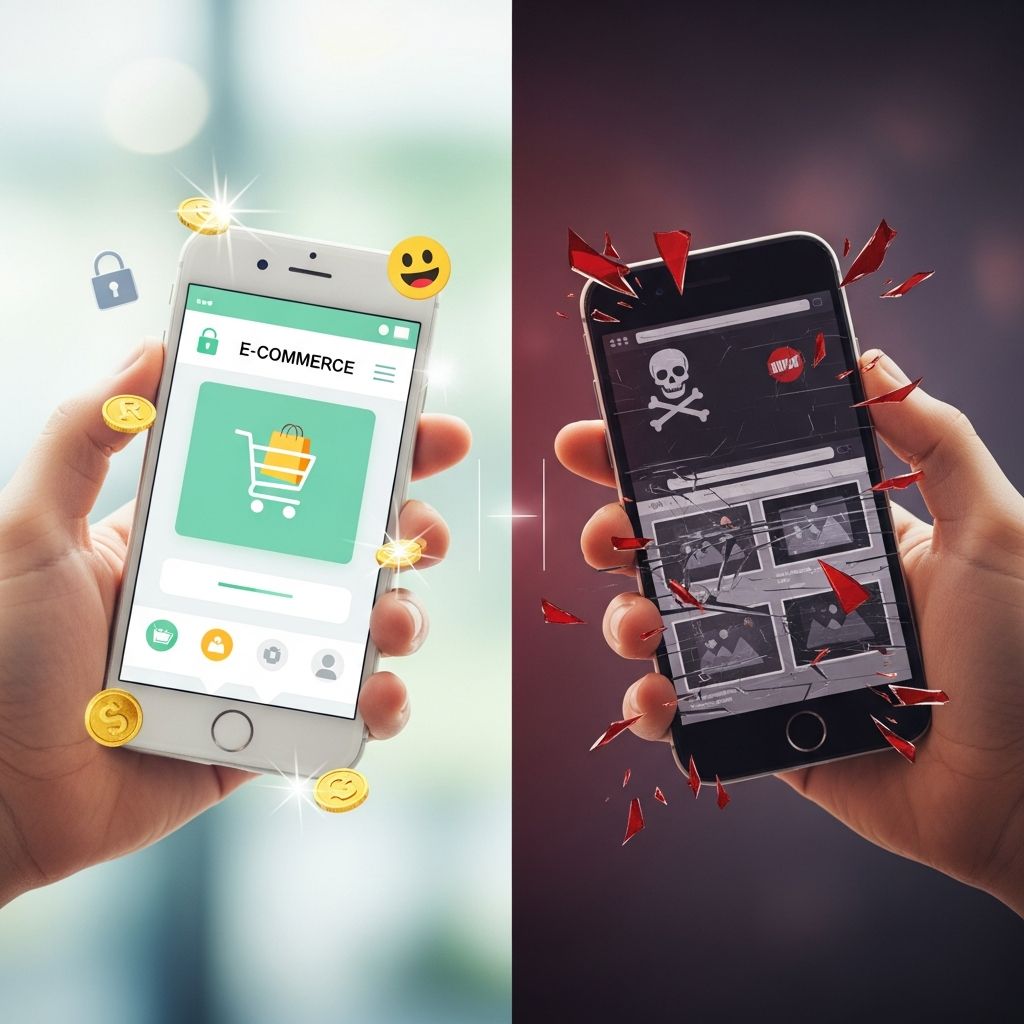
Shopping directly through social media apps has exploded in popularity, offering seamless purchases amid scrolling feeds. However, this convenience comes with heightened vulnerabilities to fraud, privacy invasions, and impulsive spending that can harm finances and security.
The Rise of Social Commerce and Its Allure
Social platforms have transformed into virtual storefronts, where users buy products with a tap. This trend, known as social commerce, projected to surpass trillions in global sales by 2026, thrives on personalized ads and influencer endorsements. Shoppers enjoy round-the-clock access, peer recommendations, and interactive features like live sales events.
- Convenience: Purchase without leaving the app.
- Social proof: See friends’ buys and reviews instantly.
- Targeted suggestions: Algorithms match items to your interests.
Yet, this integration blurs lines between entertainment and commerce, often leading users into traps designed by bad actors.
Key Dangers Lurking in Your Feed
While scrolling, deceptive posts and ads can lead to financial loss or compromised data. Common threats include counterfeit goods, phishing schemes, and malware hidden in promoted links.
Fake Sellers and Counterfeit Goods
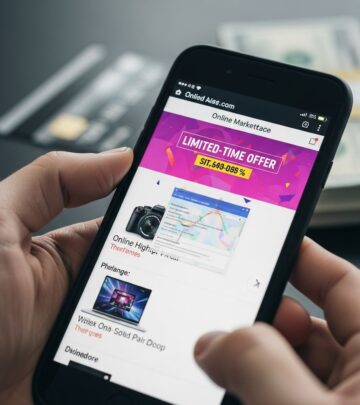
Scammers create profiles mimicking legitimate brands, posting glamorous images of discounted luxury items. Victims pay via untraceable methods like wire transfers or gift cards, only to receive nothing or fakes. These frauds exploit urgency with limited-time offers.
Malware and Phishing Attacks
Clicking suspicious links can install viruses or adware that steal login credentials. Fake sites mimic real retailers to harvest payment details. Public Wi-Fi amplifies risks, as hackers intercept unencrypted data.
Fake Reviews and Inflated Hype
Many glowing testimonials are fabricated by bots or paid writers. Signs include generic praise, spelling errors, or unnatural star patterns. Trustworthy feedback provides specifics and balances positives with critiques.
| Risk Type | Warning Signs | Potential Impact |
|---|---|---|
| Fraudulent Stores | Odd URLs, no HTTPS, pop-ups | Money loss, identity theft |
| Malware Downloads | Forced software installs | Device compromise |
| Impulse Scams | Too-good deals, pressure tactics | Overspending |
| Fake Reviews | Vague praise, poor grammar | Bad product purchases |
Privacy Pitfalls in Social Shopping
Platforms track every click, like, and buy to refine ads, creating detailed profiles sold to third parties. This surveillance fuels behavioral targeting but exposes users to breaches where hackers access purchase histories and habits. Over 75% of online harassment ties to social media, where shared details become weapons.
- Data collection: Browsing patterns, location, contacts.
- Breaches: Retailers store vast customer info, prime targets for cyberattacks.
- Third-party sharing: Info fuels unwanted ads and potential identity fraud.
Financial Hazards Beyond Scams
Impulse buying tops the list, as endless feeds trigger dopamine hits from new discoveries. Addiction-like scrolling leads to regretful carts filled with unneeded items. Vague return policies on social sales complicate refunds, unlike traditional e-commerce.
Proven Strategies to Shop Securely
Arm yourself with habits that neutralize threats. Federal guidelines emphasize verification and caution.
Verify Before You Buy
- Check HTTPS and padlock icon in the address bar.
- Search seller independently; avoid bio links.
- Use official brand sites or apps for purchases.
Strengthen Account Defenses
Enable multi-factor authentication (MFA) on all accounts. Craft unique, strong passwords via managers. Prefer credit over debit cards for purchase protection.
Secure Your Connection
Avoid public Wi-Fi; use VPNs to encrypt traffic. Keep browsers and antivirus updated for real-time threat blocking.
Spot and Dodge Deceptive Offers
Ignore unsolicited deals or urgency ploys. Examine reviews critically: Seek detailed, varied opinions from trusted sites.
Quick Security Checklist
- URL Check: Legit domain, HTTPS.
- Payment: Trusted gateways only, no crypto/gift cards.
- Research: Google seller complaints.
- Post-Buy: Monitor statements, dispute issues promptly.
Platform-Specific Precautions
Instagram Shops demand seller verification badges. TikTok favors U.S.-based fulfillment for faster returns. Facebook Marketplace suits local deals but heightens meetup scam risks—opt for shipped items.
Legal Protections and What to Do If Scammed
U.S. laws cap credit card liability at $50 if reported timely. Report fraud to FTC at ReportFraud.ftc.gov and platforms’ abuse tools. Freeze credit via Equifax, Experian, TransUnion to block misuse.
Future of Safe Social Shopping
Advancing AI detects fakes faster, while regulations push data transparency. Users must stay proactive as commerce embeds deeper into feeds.
Frequently Asked Questions
Is it safe to use credit cards on social media shops?
Yes, if the site is verified and HTTPS-secured. Credits offer dispute rights unlike debits.
How do I know if a social seller is legit?
Look for blue checks, consistent branding, and external reviews. Test with small buys first.
Can VPNs fully protect social shopping?
VPNs secure connections but not against site scams. Combine with other checks.
What if I get scammed on Instagram?
Report via app, contact bank, file FTC complaint. Seek refunds through payment provider.
Do social platforms refund scam buys?
Rarely; they suspend accounts but buyers bear loss unless payment protected.
Embracing social shopping’s perks requires vigilance. By spotting red flags and using protections, you minimize risks while enjoying the buzz.
References
- The Good, the Bad and the Ugly of Shopping on Social Media — Barnum Financial Group. 2023. https://barnumfinancialgroup.com/the-good-the-bad-and-the-ugly-of-shopping-on-social-media/
- Online Shopping Risks and How to Avoid Them — University of Michigan IT. 2025-11-17. https://michigan.it.umich.edu/news/2025/11/17/online-shopping-risks-and-how-to-avoid-them/
- Is Online Shopping Safe? 6 Risks on E-Commerce Platforms — US Cybersecurity. 2024. https://www.uscybersecurity.net/is-online-shopping-safe-6-risks-on-e-commerce-platforms/
- Social Media Privacy — Electronic Privacy Information Center (EPIC). 2024. https://epic.org/issues/consumer-privacy/social-media-privacy/
- Stay Safer on Social Media — RAINN. 2025. https://rainn.org/strategies-to-reduce-risk-increase-safety/stay-safer-on-social-media/
- Cybersecurity for Retail & Ecommerce — Darktrace. 2025. https://www.darktrace.com/cyber-ai-glossary/cybersecurity-for-retail-ecommerce
- Online Shopping Security Tips — Federal Trade Commission (FTC). 2023. https://consumer.ftc.gov/media/79929
Similar Articles








Read full bio of Sneha Tete