Social Media: Definition, Impact & Digital Communication
Understanding social media's role in modern communication, business, and digital marketing.

Understanding Social Media
Social media represents a fundamental shift in how people communicate, share information, and conduct business in the modern digital age. At its core, social media is computer-based technology that facilitates the sharing of ideas, thoughts, and information through the building of virtual networks and communities. These platforms have evolved from simple communication tools into complex ecosystems that shape culture, influence business decisions, and impact society on a global scale.
The evolution of social media has been remarkable, transforming from early internet forums and chat rooms to sophisticated platforms with billions of users. Today, social media encompasses a diverse range of applications, from text-based networks to video-sharing platforms, creating unprecedented opportunities for connection and commerce.
Definition and Core Characteristics
Social media platforms are defined by several key characteristics that distinguish them from traditional media. These platforms enable user-generated content, real-time communication, and community building. Users can create profiles, share multimedia content, interact with others, and build networks based on shared interests, professional goals, or personal connections.
The democratization of content creation is a cornerstone feature of social media. Unlike traditional broadcasting, where content flows one direction from media companies to audiences, social media enables anyone with internet access to become a publisher. This fundamental shift has empowered individuals, small businesses, and organizations to reach global audiences without expensive infrastructure or gatekeepers.
Major Social Media Platforms
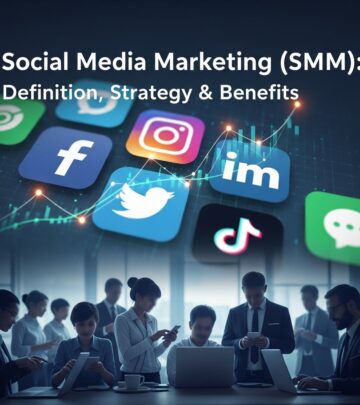
The social media landscape includes numerous platforms, each serving different purposes and audiences. Understanding the distinctions between these platforms is essential for both personal users and businesses seeking to leverage social media effectively.
Facebook and Meta Ecosystem
Facebook remains one of the largest social networks globally, with billions of monthly active users. The platform enables users to share photos, videos, and status updates, connect with friends and family, and join interest-based groups. Meta Platforms, Inc., Facebook’s parent company, also owns Instagram, WhatsApp, and other social platforms, creating an integrated ecosystem of communication tools.
Twitter (X) and Real-Time Communication
Twitter, now rebranded as X, specializes in short-form text content and real-time information sharing. The platform’s unique features include retweets, hashtags, and trending topics, making it particularly valuable for news distribution, public discourse, and breaking announcements. Journalists, politicians, and thought leaders use the platform to share information and engage in real-time conversations.
Instagram and Visual Storytelling
Instagram focuses on visual content, allowing users to share photos and videos. The platform’s emphasis on aesthetics and storytelling has made it particularly popular for personal branding, influencer marketing, and lifestyle content. Shopping features integrated into Instagram also enable direct e-commerce capabilities.
LinkedIn and Professional Networking
LinkedIn serves the professional community, enabling users to build careers, share industry insights, and connect with colleagues. The platform has become essential for recruitment, professional development, and B2B marketing. Companies use LinkedIn to establish thought leadership and reach professional audiences.
TikTok and Short-Form Video
TikTok’s explosive growth is driven by its emphasis on short-form video content and algorithmic content discovery. The platform has revolutionized content creation, enabling creators to reach massive audiences and fostering new forms of entertainment and marketing.
YouTube and Long-Form Content
YouTube enables users to upload, share, and watch videos. The platform has become integral to entertainment, education, and marketing, with creators building substantial audiences and generating revenue through advertising and sponsorships.
Business Applications and Marketing
Social media has transformed how businesses market their products, engage customers, and build brand loyalty. The platforms offer targeted advertising capabilities, allowing businesses to reach specific demographics based on user data, interests, and behaviors.
Brand Building and Engagement
Companies use social media to establish brand identity, communicate directly with customers, and build community. Regular content creation, customer service response, and community engagement help businesses build stronger relationships with their audiences.
Influencer Marketing
Influencers with substantial social media followings have become valuable marketing partners. Brands collaborate with influencers to reach target audiences authentically, leveraging their credibility and engagement rates.
Content Marketing and Thought Leadership
Organizations establish authority in their industries by sharing valuable content, insights, and expertise through social media. This content marketing approach builds trust and positions organizations as industry leaders.
Social Commerce
Many social platforms now integrate e-commerce functionality, enabling users to discover and purchase products directly without leaving the application. This seamless shopping experience has become increasingly important for retail and direct-to-consumer businesses.
Data Analytics and Insights
Social media platforms provide detailed analytics about audience demographics, content performance, and engagement metrics. These insights help businesses refine marketing strategies and optimize content for better results.
Impact on Communication and Society
Social media has profoundly transformed how people communicate, consume information, and interact with their communities. These platforms have democratized information distribution, enabling grassroots movements and giving voice to marginalized communities.
Information Dissemination
Social media has become a primary news source for many people, particularly younger demographics. The speed of information sharing enables rapid coverage of breaking news, though it also creates challenges regarding misinformation and verification.
Social Movements and Activism
Activists have leveraged social media to organize protests, raise awareness about social issues, and challenge institutional power. Movements like #MeToo and Black Lives Matter gained momentum through social media amplification, demonstrating the platforms’ power to drive social change.
Mental Health Considerations
While social media enables connection, research has raised concerns about its impact on mental health, particularly among younger users. Issues including social comparison, cyberbullying, and addiction have prompted discussions about responsible platform design and user habits.
Polarization and Echo Chambers
Algorithmic content distribution can create echo chambers where users primarily encounter viewpoints confirming their existing beliefs. This phenomenon has contributed to increased polarization and reduced exposure to diverse perspectives.
Privacy and Data Security Concerns
Social media platforms collect extensive user data to enable targeted advertising and service personalization. This data collection raises significant privacy concerns and has prompted regulatory responses including the European Union’s General Data Protection Regulation (GDPR).
Users often underestimate how much personal information they share through social media. Location data, browsing behavior, purchase history, and demographic information create detailed profiles used for targeted marketing and other purposes.
Regulatory and Ethical Challenges
Governments worldwide are implementing regulations to address social media challenges including misinformation, data privacy, and content moderation. The debate between free speech and platform responsibility continues to evolve as societies grapple with social media’s societal impact.
Content moderation presents significant challenges, with platforms struggling to balance free expression against removing harmful content including hate speech, violence, and exploitation. Different cultural and legal standards complicate content moderation at a global scale.
Future Trends and Evolution
Social media continues to evolve with emerging technologies including artificial intelligence, virtual reality, and augmented reality. These technologies promise new forms of interaction and immersive experiences that may reshape how people connect through digital platforms.
The metaverse concept represents a potential future direction for social interaction, combining virtual and augmented reality to create persistent digital worlds where people can interact, work, and socialize in immersive environments.
Measuring Social Media Success
For businesses, measuring social media success requires tracking relevant metrics aligned with overall business objectives. Key performance indicators include engagement rates, follower growth, conversion metrics, and return on advertising spend.
Different platforms and campaign types require different measurement approaches. A brand awareness campaign prioritizes reach and impressions, while e-commerce campaigns focus on conversion rates and customer acquisition costs.
Best Practices for Social Media Use
For Individuals
Users should be mindful of privacy settings, carefully consider what information they share, and maintain healthy relationships with social media consumption. Understanding platform algorithms helps users take greater control of their social media experience.
For Businesses
Organizations should develop clear social media strategies aligned with business objectives, maintain consistent brand voice, engage authentically with audiences, and monitor brand reputation. Regular analytics review enables continuous optimization of social media efforts.
Frequently Asked Questions
Q: What exactly is social media?
A: Social media refers to digital platforms and technologies that enable users to create, share, and exchange content while building virtual communities and networks with others worldwide.
Q: How do social media platforms generate revenue?
A: Most social media platforms generate revenue primarily through advertising, where companies pay for targeted ads displayed to users. Some platforms also offer premium subscription services, in-app purchases, and e-commerce capabilities.
Q: Is social media beneficial for businesses?
A: Yes, social media offers significant benefits including direct customer engagement, cost-effective marketing, brand building, and valuable market insights. However, success requires strategic planning and consistent execution.
Q: How can I protect my privacy on social media?
A: You can protect privacy by reviewing privacy settings regularly, limiting what personal information you share, being cautious with friend requests, using strong passwords, and understanding each platform’s privacy policies.
Q: What is influencer marketing?
A: Influencer marketing involves partnering with individuals who have substantial social media followings to promote products or services. Influencers leverage their credibility and audience trust to drive awareness and sales.
Q: How do algorithms affect my social media experience?
A: Algorithms determine which content appears in your feed based on your past interactions, interests, and behavior. This personalization improves relevance but can also create filter bubbles limiting exposure to diverse viewpoints.
Q: What are the main challenges with social media?
A: Key challenges include misinformation spread, privacy concerns, mental health impacts, cyberbullying, polarization, content moderation difficulties, and data security issues.
Q: Can small businesses compete on social media?
A: Yes, small businesses can succeed on social media through authentic engagement, consistent posting, community building, and strategic use of platform features. Micro-influencers and niche audiences provide growth opportunities.
References
- Definition and Overview of Social Media — Cliff’s Notes. https://www.cliffsnotes.com/tutors-problems/Marketing/50092459
- Meta Platforms, Inc. Official Company Information — Meta. 2025. https://about.meta.com/
- General Data Protection Regulation (GDPR) Overview — European Commission. 2025. https://ec.europa.eu/info/law/law-topic/data-protection_en
- Social Media and Mental Health Research — American Psychological Association. 2024. https://www.apa.org/science/about/psa/social-media
- Digital Marketing and Social Commerce Statistics — Statista. 2025. https://www.statista.com/
- Content Moderation Challenges and Best Practices — Stanford Internet Observatory. 2024. https://cyber.stanford.edu/
Similar Articles








Read full bio of Sneha Tete