Social Economics: Understanding Economy and Society
Explore how social behavior shapes economic decisions and market trends.

What is Social Economics?
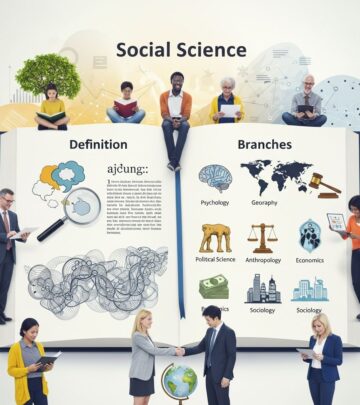
Social economics, also known as socioeconomics, is a social science and branch of economics that studies the interrelation between economic activity and social behavior. This field of study takes a distinctive approach to understanding how economies function by incorporating insights from sociology, psychology, history, philosophy, and political science. Unlike traditional economics, which often assumes rational decision-making based solely on financial incentives, social economics recognizes that human behavior is shaped by a complex web of social norms, cultural values, ethical considerations, and emotional factors.
Social economics analyzes how the economy is affected by social norms, ethics, sentiments, and other non-traditional factors that mainstream economic theory typically overlooks. It examines the profound impact that social conditions have on individual financial decisions, consumer behavior, and broader economic outcomes. This multidisciplinary approach allows economists and researchers to develop a more comprehensive understanding of economic systems and the people who participate in them.
Key Principles of Social Economics
Social economics operates on several foundational principles that distinguish it from conventional economic analysis:
- Interdisciplinary approach: Drawing information from history, philosophy, sociology, and political science to examine economic phenomena
- Social behavior focus: Recognizing that social norms, ethics, and sentiments significantly influence economic decisions
- Holistic perspective: Considering environmental effects, cultural factors, and social inequality alongside traditional economic metrics
- Equity emphasis: Examining how different socioeconomic classes experience and interact with economic systems differently
- Long-term societal impact: Analyzing how economic choices affect community welfare and social cohesion
The Role of Socioeconomic Status
Socioeconomic status plays a central role in social economic analysis. Socioeconomic classes refer to groups of people with similar social standing in society, which is heavily influenced by factors such as education, income, profession, and family background. These classifications significantly impact how individuals and families make financial decisions and navigate economic opportunities.
In our increasingly diverse and globalized society, additional factors have become critical in determining socioeconomic status. Ethnicity and heritage now play significant roles in affecting socioeconomic classification, as members of visible minorities and other disadvantaged groups have historically faced barriers to education and certain professions compared to their peers from majority populations. These systemic barriers create long-lasting economic disparities that persist across generations.
Some socioeconomic classes face considerable barriers to purchasing essential goods and services because they cannot afford them due to lower income levels. These barriers extend to advanced medical care, healthy and nutritious food, and access to safe and comfortable living environments. The consequences of these economic constraints ripple through communities, affecting health outcomes, educational achievement, and overall quality of life.
How Social Economics Influences Individual Outcomes
Social economics certainly exerts a profound impact on the lives of individuals. Socioeconomic status strongly influences future achievements, level of education, and degree of financial security. Consider the divergent paths of two individuals from different socioeconomic backgrounds:
Upper and Upper-Middle Class Advantages: Someone coming from a wealthy household in the upper or upper-middle classes encounters substantially more opportunities throughout their life. They can afford higher education while enriching their experiences with study abroad programs and frequent international travel to explore foreign places and cultures. They are also more likely to pursue these opportunities due to the similar achievements of their peers from comparable socioeconomic backgrounds, as well as pressure from families and other members of their social class to succeed academically and professionally.
Educational Attainment and Economic Mobility: The completion of higher education—such as undergraduate and graduate degrees—is strongly linked to an increase in income and eligibility for positions in senior management. Beyond financial rewards, advanced education enables more opportunities to interact with others of similar social standing and build social networks that include peers of the same or more advanced social classes. These networks often prove invaluable for career advancement and entrepreneurial opportunities.
The Intergenerational Transmission of Educational Values
Research in social economics reveals critical patterns in how educational values and achievements are transmitted across generations. Parents’ educational background profoundly influences their children’s educational trajectories and economic futures.
University-Educated Parents: University-educated parents are more likely to place a high value on educational achievement and instill in their children the importance of achievement-oriented behaviors and opportunities. These parents encourage their children to obtain advanced degrees, read and write frequently to develop strong skill sets, and participate in after-school activities and extracurricular programs to enrich their breadth and depth of experiences. This cultural emphasis on education leads to a stronger belief in the benefit of pursuing higher learning, which in turn leads to more successful careers and a wider range of job opportunities.
First-Generation and Non-Educated Parents: In contrast, individuals whose parents did not hold university degrees were historically more likely to believe that post-secondary education was not worth the cost, and that it would be more beneficial to enter the workforce straight out of high school. Such mindsets may be further exacerbated by the lack of an education role model during adolescence and less support—both financial and emotional—to pursue post-secondary studies after high school. Breaking this cycle requires deliberate effort, mentorship, and access to financial resources.
Economic Inequality and Social Mobility
Social economics provides important insights into economic inequality and the mechanisms that either facilitate or impede social mobility. The field recognizes that economic outcomes are not solely determined by individual effort or talent, but are significantly shaped by initial circumstances and social structures.
Barriers to economic mobility are not randomly distributed but instead follow predictable patterns based on socioeconomic background, ethnicity, geographic location, and other social factors. Understanding these patterns is essential for policymakers seeking to create more equitable economic systems and for individuals working to overcome systemic barriers to success.
Social Factors Influencing Consumer Behavior
Consumer behavior represents a critical area where social economics diverges from traditional economic theory. Social economists recognize that purchasing decisions are influenced not only by prices and rational cost-benefit analysis but also by:
- Social norms: What is considered acceptable or desirable within one’s community or social group
- Peer influence: The spending habits and consumption patterns of those within one’s social circle
- Cultural values: Beliefs and traditions that prioritize certain goods or services over others
- Status signaling: Using consumption to communicate social position or identity
- Ethical considerations: Moral concerns about production methods, labor practices, and environmental impact
Environmental and Ethical Considerations
Social economic theories are somewhat unorthodox with regards to considering factors that are not usually focused on in traditional or mainstream economics. Social economists examine environmental effects on wealth and consumption behavior in society, recognizing that ecological sustainability and economic prosperity are intertwined. This perspective acknowledges that purely profit-driven economic models may generate negative externalities that harm society and the environment, thereby creating hidden costs that are not reflected in market prices.
Ethical considerations similarly play a crucial role in social economic analysis. Consumer ethics, fair trade practices, labor standards, and corporate social responsibility are increasingly recognized as factors that influence both individual purchasing decisions and broader market trends. Companies that align their practices with social values often attract consumers willing to pay premium prices, demonstrating that profitability and social responsibility need not be mutually exclusive.
Applications of Social Economics
Social economics has practical applications across numerous domains:
- Policy development: Informing social welfare policies, education initiatives, and economic development programs
- Business strategy: Understanding market segments and developing marketing strategies that resonate with different socioeconomic groups
- Community development: Addressing economic disparities and promoting inclusive economic growth
- Research and academia: Advancing knowledge about the complex relationships between society and economy
- International development: Designing aid programs and economic interventions that account for cultural and social contexts
Frequently Asked Questions
Q: How does social economics differ from traditional economics?
A: Traditional economics often assumes rational decision-making based on financial incentives alone, while social economics incorporates social norms, ethics, cultural values, and emotional factors as legitimate influences on economic behavior and outcomes.
Q: What role does education play in social economics?
A: Education serves as a critical mechanism for social mobility and economic opportunity. Higher educational attainment correlates with increased income, better job prospects, and access to professional networks, making it a key factor in breaking cycles of poverty and economic inequality.
Q: Can socioeconomic status be changed?
A: Yes, socioeconomic status can change through education, career advancement, and opportunity. However, systemic barriers and lack of initial resources can make upward mobility difficult. Social programs, mentorship, and access to quality education can facilitate this change.
Q: How do social norms influence consumer behavior?
A: Social norms shape what individuals and families consider acceptable purchases, desirable lifestyle choices, and appropriate spending patterns. These norms vary across different socioeconomic groups and cultural communities, significantly influencing market trends and consumer demand.
Q: Why is social economics important for policy makers?
A: Understanding social economics helps policy makers design more effective interventions by recognizing that economic outcomes depend not only on market forces but also on social structures, cultural factors, and systemic inequalities that require targeted policy solutions.
References
- Social Economics – Definition, Impact, Understanding — Corporate Finance Institute. 2024. https://corporatefinanceinstitute.com/resources/economics/social-economics/
- Social Economy — Wikipedia. 2024. https://en.wikipedia.org/wiki/Social_economy
- OECD Handbook on Measuring the Non-Market Output of Education and Health — Organisation for Economic Co-operation and Development. https://www.oecd.org/
Similar Articles








Read full bio of medha deb