SMS Phishing Threats: How to Recognize and Stop Smishing
Learn how smishing attacks work and discover proven strategies to protect your mobile device
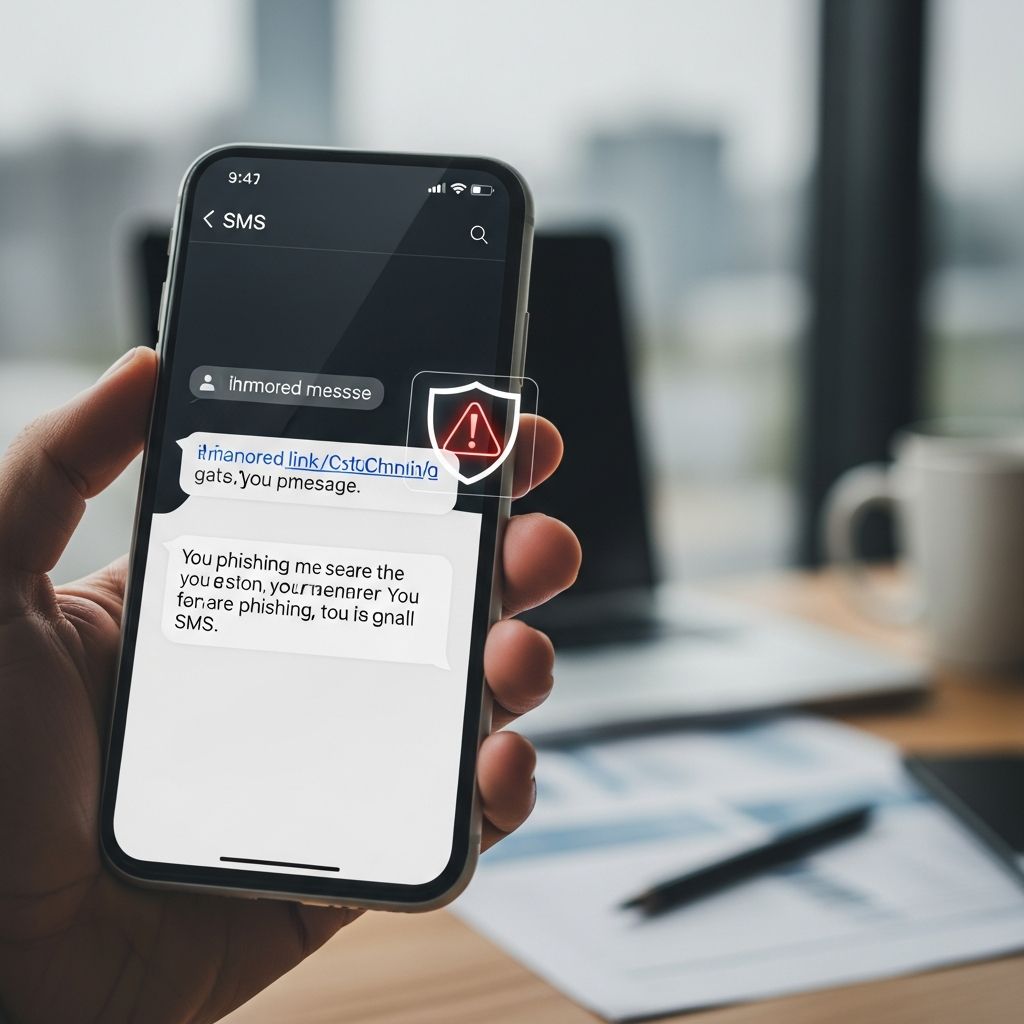
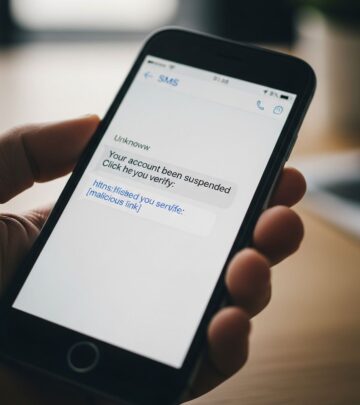
Smishing represents one of the fastest-growing cybersecurity threats in the digital landscape today. The term combines “SMS” and “phishing” to describe a deceptive attack method that leverages text messages to compromise personal and financial information. Unlike traditional email phishing, smishing exploits the inherent trust users place in text communications and the ubiquitous nature of mobile devices in modern life.
What Is Smishing and Why It Matters
Smishing is fundamentally a cyber-attack mechanism that uses Short Message Service (SMS) or text messages to deceive recipients into revealing sensitive data, clicking harmful links, or downloading malicious software. The core functionality of these attacks mirrors traditional phishing but operates through a different communication channel that many users consider more personal and trustworthy than email.
The effectiveness of smishing lies in several critical factors. Mobile phones have become indispensable tools for daily communication, financial transactions, and personal management. Users typically respond to text messages more quickly than emails, creating a narrower window for careful consideration before taking action. Additionally, the intimate nature of SMS communication—arriving directly on a personal device—creates a psychological sense of legitimacy that attackers skillfully exploit.
Cybercriminals increasingly favor smishing because the attack surface has expanded significantly with mobile adoption. The immediacy and personal nature of text messages make them particularly effective for social engineering attacks compared to bulk email campaigns where skepticism naturally runs higher.
Common Deception Tactics and Impersonation Methods
Smishing attacks rely on several well-established deception strategies that have proven remarkably effective across diverse victim populations.
Brand Impersonation and Trusted Entity Spoofing
The most prevalent technique involves creating messages that falsely appear to originate from established, recognizable organizations. Attackers craft SMS communications that mimic the language, formatting, and branding elements of legitimate entities—banks, government agencies, retail companies, and technology platforms. These messages incorporate familiar logos, official-sounding language, and contact information designed to bypass recipient skepticism.
This impersonation strategy proves particularly effective because recipients encounter these brands regularly in their actual communications, making fraudulent messages appear seamlessly consistent with genuine interactions.
Urgency and Fear-Based Messaging
Effective smishing messages embed psychological triggers that compel immediate action. Messages typically include urgent language suggesting account compromise, payment failures, pending cancellations, or time-sensitive opportunities. By creating artificial time pressure, attackers reduce the likelihood that recipients will pause to verify authenticity before clicking links or providing information.
Social Engineering Through Relationship Impersonation
Some advanced smishing campaigns impersonate colleagues, supervisors, or organizational leadership to manipulate employees. Messages might reference urgent business matters, mandatory security updates, or requests for sensitive company information, exploiting the power dynamics and trust hierarchies present in workplace relationships.
Prevalent Smishing Attack Categories
Understanding the specific forms that smishing attacks take helps in recognizing threats when they arrive.
Financial Institution Fraud
Banking-related smishing represents the single most common category, accounting for approximately 10% of all smishing messages. These attacks typically present fabricated account alerts, suspicious transaction notifications, or account verification requests. Victims receive messages directing them to click links that lead to counterfeit banking portals designed to capture login credentials and financial information.
Government and Tax-Related Deceptions
Scammers exploit citizens’ interactions with government agencies, particularly tax authorities. Messages falsely claim pending tax refunds, stimulus payments, or compliance issues, requesting Social Security numbers, financial account details, or personal identification information. The official nature of government communications makes these particularly convincing to unsuspecting recipients.
Account Verification and Security Alerts
Messages that request account verification for legitimate-seeming platforms represent another substantial attack category. Recipients receive notifications claiming suspicious activity on social media accounts, payment platforms, or cloud storage services, with links directing them to fake verification portals designed to harvest credentials.
Prize, Reward, and Contest Winnings Claims
Scammers leverage human psychology by congratulating recipients on winning contests they never entered. These messages promise gift cards, monetary rewards, or valuable prizes, requiring recipients to click links and provide personal verification details allegedly necessary to claim their winnings. The emotional appeal of unexpected rewards makes this tactic remarkably effective.
Service Cancellation Threats
Messages warning of imminent subscription or service cancellations use urgency to drive action. Attackers claim that unless recipients immediately verify payment information or account details through provided links, their valued services will be terminated, creating panic that bypasses rational evaluation.
Package Delivery and Order Frauds
Recipients receive messages about unconfirmed deliveries, suspicious orders, or shipment issues. These messages often appear to come from major retailers or logistics companies, requesting recipients to click links to verify delivery addresses or payment information. The widespread nature of online shopping makes this vector particularly effective.
Business Email Compromise and CEO Fraud
Sophisticated attackers impersonate C-level executives or trusted IT personnel, sending SMS messages requesting urgent wire transfers, gift card purchases, or access credentials. These attacks target both individual employees and broader organizational security by exploiting hierarchical authority structures.
Advanced Smishing Techniques and Variations
Beyond straightforward impersonation, cybercriminals employ increasingly sophisticated methodologies.
Spear-Phishing Through Personalization
While many smishing campaigns use generic messages sent to random recipients in hopes of reaching victims, targeted variants incorporate personal information about specific individuals. Attackers use names, previous interactions, or personal details to create highly convincing personalized messages that dramatically increase response rates. This approach transforms the attack from spray-and-pray tactics into surgical precision strikes.
URL Manipulation and Link Obfuscation
Attackers leverage URL shortening services, including legitimate services like Google’s goo.gl, to disguise malicious links as trustworthy resources. The shortened appearance creates ambiguity about actual destination URLs, preventing recipients from identifying the fraudulent nature of target websites before clicking.
Multi-Stage Conversation Tactics
“Pig butchering” scams exemplify complex multi-stage approaches where attackers establish false identities and build trust relationships over extended periods before introducing fraudulent investment schemes. These lengthy confidence games exploit human psychology and the relationship-building process to lower victims’ guard.
Malware Distribution Through Mobile Downloads
Some smishing attacks direct recipients to download files containing spyware, remote access trojans, or other malicious software. These downloads provide attackers with persistent device access, enabling credential theft, financial fraud, and data exfiltration beyond the initial attack.
Distinguishing Smishing From Other Phishing Variants
The phishing ecosystem includes several distinct attack methodologies, each exploiting different communication channels:
| Attack Type | Primary Channel | Key Characteristics |
|---|---|---|
| Smishing | SMS Text Messages | Mobile-focused, immediate response expectations, personal device targeting |
| Email Phishing | Electronic Mail | Mass distribution, link/attachment-based, slower response timeframes |
| Vishing | Voice Calls | Real-time interaction, verbal social engineering, direct persuasion tactics |
| Spear Phishing | Email (Targeted) | Personalized information use, specific individual targeting, researched details |
| Whaling | Email (Targeted) | Executive-level targeting, high-value compromise objectives, sophisticated customization |
Smishing occupies a particularly dangerous position within this spectrum because it combines the mass distribution capacity of email phishing with the personal immediacy and trust factors associated with voice communication, while operating through a channel (SMS) that many users regard as inherently more trustworthy than email.
Recognizing Smishing Red Flags
Despite sophisticated techniques, certain indicators signal potential smishing attempts:
- Unexpected links within messages, particularly shortened URLs from unfamiliar sources
- Unsolicited file download requests or attachments requiring immediate installation
- Messages creating artificial desperation through appeals for urgent financial assistance
- Congratulations for contest winnings from competitions never entered
- Unexpected account notifications requiring verification clicks or credential re-entry
- Grammar inconsistencies, unusual phrasing, or awkward language suggesting non-native composition
- Sender identification inconsistencies or suspicious phone numbers
- Pressure to bypass normal verification procedures or security protocols
Effective Defense and Prevention Strategies
Protecting against smishing requires multi-layered approaches combining awareness, behavioral practices, and technological safeguards.
Verification Before Action
When receiving unexpected messages from alleged financial institutions, government agencies, or service providers, contact organizations independently using official contact information obtained separately from the message source. Never click links or call numbers included in suspicious messages, as these typically route to fraudster-controlled systems.
Avoiding Link Engagement
Suspicious links represent the primary attack vector in smishing campaigns. Refrain from clicking links in unsolicited messages, particularly those creating urgency or requesting credential verification. When authentication with legitimate services becomes necessary, access them through official applications or directly navigated websites rather than message-provided links.
Device Security Practices
Maintain updated operating systems and security software on mobile devices, as these updates patch vulnerabilities exploited by malware distributed through smishing campaigns. Enable two-factor authentication on financial and sensitive accounts to mitigate the impact of credential compromise through phishing.
Information Minimization
Avoid disclosing personal information via text message, particularly Social Security numbers, financial account details, or authentication credentials. Legitimate organizations never request such information through unsolicited SMS communications.
Reporting and Blocking
Report smishing messages to relevant organizations and telecommunications providers. Most carriers offer mechanisms to block suspicious numbers, and forwarding actual fraud attempts to appropriate authorities contributes to broader threat mitigation efforts.
Organizational Security in Workplace Environments
Businesses face particular smishing threats targeting employee devices and organizational systems. Effective defenses include:
- Employee security awareness training emphasizing mobile device risks and smishing recognition
- Clear communication about organizational communication protocols and verification procedures
- Mobile device management solutions restricting unauthorized application installation
- Multi-factor authentication requirements for accessing sensitive systems
- Incident reporting mechanisms enabling rapid response to credential compromise
- Email gateway filters reducing external communication that mimics internal correspondence
The Evolving Threat Landscape
Smishing threats continue evolving as attackers refine techniques and adapt to awareness efforts. The integration of artificial intelligence and machine learning into attack frameworks enables increasingly sophisticated personalization and targeting. Additionally, the expanding Internet of Things ecosystem creates new attack surfaces as cybercriminals exploit connected devices beyond traditional smartphones.
Users and organizations must maintain vigilance through continuous security awareness, updated protective measures, and rapid adaptation to emerging threat variants. The combination of human vigilance and technological safeguards provides the most effective defense against evolving smishing campaigns designed to exploit trust, urgency, and the intimate nature of mobile communications.
References
- What is Smishing (SMS Phishing)? — SentinelOne. https://www.sentinelone.com/cybersecurity-101/cybersecurity/what-is-smishing/
- SMS Phishing (Smishing) Examples & Defenses — KnowBe4. https://blog.knowbe4.com/smishing-examples-defenses
- 6 Types of Smishing Attacks and 5 Ways to Prevent Them — Cynet. https://www.cynet.com/cybersecurity/5-types-of-smishing-attacks-and-5-ways-to-prevent-them/
- What Is Smishing? Examples, Protection & More — Proofpoint US. https://www.proofpoint.com/us/threat-reference/smishing
- What Is Smishing? Definition, Examples & Protection Tips — The SSL Store. https://www.thesslstore.com/blog/what-is-smishing-definition-examples-protection-tips/
- Smishing in Cybersecurity: The Ultimate Guide to SMS Phishing — Adaptive Security. https://www.adaptivesecurity.com/resources/smishing-sms-phishing-cybersecurity
- What is Smishing? | Examples & Prevention Tips — SO-Safe Awareness. https://sosafe-awareness.com/glossary/smishing/
- What Is Smishing? — Trend Micro US. https://www.trendmicro.com/en_us/what-is/phishing/smishing.html
Similar Articles








Read full bio of medha deb