Wedding Budget Breakdown: Practical Tips And Percentage Guide
Learn how to build a realistic wedding budget, allocate costs by category, and still protect your long-term financial goals.
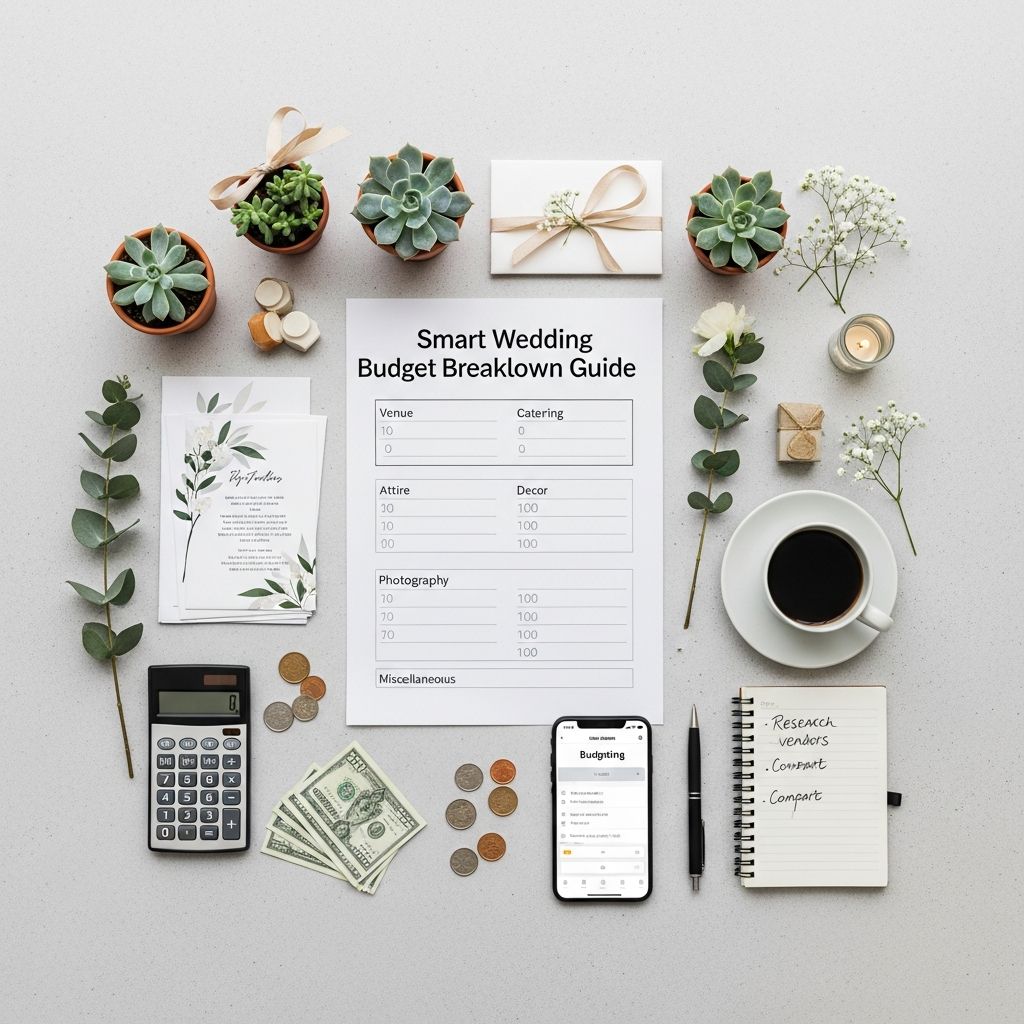
Planning a wedding is exciting, but it can also be one of the biggest single expenses you and your partner face early in your lives together. Research from major wedding platforms shows that couples often underestimate how much they will spend, expecting around $16,000 but ending up closer to $30,000 once everything is added up. Without a clear plan, it’s easy for costs to creep far beyond what you intended.
This guide walks you through a practical wedding budget breakdown using percentages and key categories, so you can map out your spending whether you’re planning a simple $5,000 wedding or a more traditional $30,000 event.
Why You Need a Wedding Budget Breakdown
A detailed wedding budget does more than tell you how much you can spend. It helps you:
- Protect long-term goals like paying off debt, saving for a home, or investing for retirement.
- Make trade-offs based on what matters most (for example, venue vs. photography).
- Reduce stress and last-minute surprises by planning for hidden fees and extras.
- Stay on the same page as your partner and any family members contributing financially.
Think of your wedding budget as a tool for aligning your celebration with your overall financial life, not just a list of costs.
Step 1: Decide How Much You Can Afford Altogether
Before you look at venues, dresses, or menus, determine your maximum total budget. This includes:
- Your savings you feel comfortable using.
- How much you can reasonably save between now and the wedding date.
- Any specific contributions from family (cash or covering certain items).
Financial planners often recommend avoiding high-interest debt for discretionary spending like weddings, because balances on credit cards can grow quickly and delay other goals. Aim to work with cash, savings, and realistic future income instead.
Step 2: Use Percentage-Based Wedding Budget Categories
Once you know your total number, you can allocate it across categories using approximate percentage ranges. These ranges are based on typical wedding spending patterns in the U.S., but you can adjust them for your priorities.
| Category | Suggested % of Budget | What It Usually Covers |
|---|---|---|
| Reception | 40%–45% | Venue, catering, bar, cake, rentals (tables, chairs, linens) |
| Ceremony | ~2% | Officiant, ceremony venue (if separate), marriage license |
| Wedding attire & beauty | 8%–10% | Dress, suit/tux, alterations, shoes, hair, makeup, accessories |
| Photography & videography | 10%–12% | Photographer, videographer, engagement shoot |
| Flowers & décor | 7%–8% | Bouquets, boutonnieres, centerpieces, décor, lighting |
| Entertainment & music | 6%–7% | DJ or band, ceremony musicians, sound equipment |
| Stationery | 2%–3% | Invitations, save-the-dates, programs, menus, thank-you cards |
| Transportation | 2%–3% | Shuttles, limos, rides for the couple and/or guests |
| Gifts & favors | 2%–3% | Wedding favors, bridal party gifts, family gifts |
| Wedding planner | 0%–10% | Full-service planner, partial planning, or day-of coordination |
| Miscellaneous & buffer | 2%–5% | Tips, vendor overages, last-minute purchases, contingency fund |
Step 3: Example Wedding Budget Breakdown for $20,000
To make this concrete, here is how a hypothetical $20,000 wedding budget might break down using these ranges:
| Category | % Range | Estimated Amount |
|---|---|---|
| Reception | 40%–45% | $8,000–$9,000 |
| Ceremony | 2% | ~$400 |
| Wedding attire & beauty | 8%–10% | $1,600–$2,000 |
| Photography & videography | 10%–12% | $2,000–$2,400 |
| Flowers & décor | 7%–8% | $1,400–$1,600 |
| Entertainment & music | 6%–7% | $1,200–$1,400 |
| Stationery | 2%–3% | $400–$600 |
| Transportation | 2%–3% | $400–$600 |
| Gifts & favors | 2%–3% | $400–$600 |
| Wedding planner | 0%–10% | $0–$2,000 |
| Miscellaneous & buffer | 2%–5% | $400–$1,000 |
Use this as a template and plug in your total budget to calculate actual dollar amounts. A simple spreadsheet can keep everything organized and help you track quotes versus actual costs over time.
Key Wedding Budget Categories Explained
Reception: 40%–45% of Your Budget
The reception is usually the largest line item because it includes both the venue and food & drink. Industry data shows that venue and catering together often make up over half a typical wedding budget.
Reception costs commonly include:
- Venue rental fees.
- Catering (per-person cost for meals, plus taxes and service fees).
- Beverages (open bar, limited bar, or non-alcoholic only).
- Wedding cake or dessert alternatives.
- Rentals: tables, chairs, linens, tableware, glassware.
To keep costs within your target:
- Trim the guest list; fewer guests can significantly reduce catering costs because many venues charge per person.
- Consider brunch or weekday weddings, which can sometimes be cheaper than Saturday evenings.
- Ask venues what is included vs. what you must rent separately.
Ceremony: Around 2% of Your Budget
If your ceremony is at the same venue as your reception, additional costs may be low. When it’s separate, budget for:
- Officiant fee or suggested donation.
- Ceremony site rental or church/synagogue fee.
- Marriage license, which is a legal requirement and often a modest fixed cost set by local authorities.
Wedding Attire & Beauty: 8%–10%
This category covers what you and your partner will wear and how you’ll look on the day:
- Wedding dress, suit or tuxedo, and any accessories.
- Alterations, which can be a substantial hidden cost.
- Shoes, jewelry, veil, and undergarments.
- Professional hair and makeup for the couple and possibly the wedding party.
To save, you can consider sample sales, renting attire, buying secondhand, or using a simpler look with professional styling only for photos and ceremony.
Photography & Videography: 10%–12%
Your photos and video will outlast every other aspect of the wedding, so many couples choose to prioritize this category. Professional wedding photographers often charge packages that reflect their time on the day, editing work afterward, and album or file delivery.
Common items in this category include:
- Engagement session (sometimes included in packages).
- Full-day wedding coverage.
- Second shooter or assistant (optional).
- Highlight video and full ceremony footage (if using video).
Read reviews, look through full galleries (not just highlight reels), and ask about delivery timelines and rights to print or share images.
Flowers & Décor: 7%–8%
Florals and décor set the tone of the event. Costs can rise quickly depending on the types of flowers, seasonality, and complexity of arrangements.
This category usually includes:
- Bouquets, boutonnieres, corsages.
- Centerpieces and table décor.
- Ceremony arrangements and arches.
- Lighting, candles, backdrops, or rental décor.
To stretch your budget, use in-season blooms, repurpose ceremony flowers for the reception, or mix fresh flowers with greenery and candles.
Entertainment & Music: 6%–7%
Whether you choose a DJ or a live band will significantly affect the budget. DJs typically cost less than full bands but can still create a lively atmosphere.
Factor in:
- DJ or band fees.
- Sound equipment and microphones (if not provided by venue).
- Ceremony musicians (if separate).
Clarify setup time, break policies, and playlists for key moments (first dance, entrance, etc.).
Stationery, Transportation, Gifts & Favors, and Planner
These categories are smaller individually but collectively meaningful:
- Stationery: Save-the-dates, invitations, RSVP cards, programs, menus, and thank-you cards. Digital options can reduce printing and postage costs.
- Transportation: Shuttle buses, limos, ride shares, or car rentals to move the wedding party or guests between locations.
- Gifts & favors: Bridal party gifts, parents’ gifts, and small guest favors (if you choose to provide them).
- Wedding planner: Full-service planners can help manage logistics and vendor selection, while day-of coordinators focus on execution. Some couples choose to skip this category and self-coordinate to save money.
Miscellaneous & Unplanned Expenses: 2%–5%
This buffer helps cover:
- Tips for vendors such as servers, bartenders, hair and makeup artists, and transportation drivers.
- Overtime fees if the event runs longer than expected.
- Last-minute décor, clothing, or weather-related purchases (like umbrellas or heaters).
Keeping a dedicated contingency line in your budget reduces stress when inevitable surprises arise.
Is Your Wedding Budget Reasonable?
A “reasonable” wedding budget is one that:
- Fits within your income and savings without requiring high-interest debt.
- Allows you to keep contributing to core long-term goals, such as retirement or emergency savings.
- Reflects your priorities as a couple rather than external expectations.
Average wedding costs in the U.S. hover around the high twenties to low thirties in thousands of dollars, but actual spending ranges widely by region and guest count. Use averages as a reference, not a requirement.
Is $5,000 Enough for a Wedding?
Yes, a $5,000 wedding can be absolutely possible, especially if you are flexible with traditions and keep your guest list small. The key is focusing on what matters most and simplifying the rest.
For a $5,000 budget, you might:
- Host a small ceremony and reception at a family home, park, or community space.
- Limit the guest list to close family and friends.
- Opt for buffet or DIY-style food, or partner with a local restaurant.
- Choose a simple dress or suit and minimal florals.
- Hire a photographer for just a few hours instead of a full day.
Eliminating extras like large décor installations, open bar, or elaborate entertainment helps keep spending in check while still creating a meaningful celebration.
Is $10,000 a Good Amount for a Wedding?
A $10,000 budget offers more flexibility than $5,000 while still requiring thoughtful choices. It can be a solid amount, especially if you:
- Keep the guest list moderate rather than large.
- Prioritize one or two areas (such as photography or venue) and stay modest elsewhere.
- Choose an off-peak date or time (weekday, winter, or brunch).
This budget level can often support a simple venue, professional photography, a catered meal, and basic décor, while still avoiding the pressure of matching national averages.
How Do You Budget for a $30,000 Wedding?
With $30,000, you are in the ballpark of the U.S. average for a traditional wedding, giving you room for a larger guest list, more formal venue, or extra services. The same percentage breakdown still works; you simply plug in a higher total.
At this level, couples often:
- Book a dedicated wedding venue or hotel ballroom.
- Offer a full meal with bar service.
- Hire both photographer and videographer.
- Include more elaborate florals or décor.
- Engage a planner or coordinator for part or all of the process.
Even with a $30,000 budget, it is wise to set a ceiling and track spending closely, since upgrades and add-ons can quickly push costs higher if not monitored.
What Should Be Included in Your Wedding Budget Spreadsheet?
Your wedding budget spreadsheet should list each major category, its estimated amount, and later the actual amount spent. At a minimum, include line items for:
- Venue and catering costs.
- Wedding attire and beauty.
- Photography and videography.
- Flowers and decorations.
- Entertainment and music.
- Stationery (invitations, save-the-dates, programs).
- Transportation.
- Wedding cake or other desserts.
- Officiant fees and marriage license.
- Wedding rings (if being purchased near the wedding date).
- Wedding favors and gifts.
- Wedding planner or coordinator (if applicable).
- Miscellaneous expenses, tips, and your contingency fund.
Track deposits and due dates as you sign contracts so you can plan cash flow throughout the months leading up to the wedding, not just the total cost.
Tips for Keeping Your Wedding on Budget
To avoid overspending while still having a beautiful day:
- Align on priorities: Decide as a couple which 2–3 categories matter most, and allow more of the budget to flow there while simplifying others.
- Limit the guest list: Because many costs are per-person, trimming the guest count can be the single most effective way to save.
- Consider timing: Off-peak dates and times can reduce venue and vendor rates.
- Negotiate and compare: Get multiple quotes and ask vendors about package options or lower-cost alternatives.
- Use a detailed spreadsheet: Update it regularly with actual costs, taxes, fees, and tips, not just base prices.
Frequently Asked Questions (FAQs)
Q: What is a reasonable overall wedding budget?
A reasonable budget is one that fits within your savings and income without compromising core financial priorities like emergency funds, debt payments, and retirement contributions. Instead of matching national averages, choose an amount that feels comfortable and sustainable for your situation.
Q: How early should we set our wedding budget?
Set your budget before you book any major vendors. Once you have a timeframe and estimated guest count, calculate your total budget and apply a percentage breakdown, then use that to guide which venues and services you consider.
Q: How can we avoid going over budget?
Keep a running spreadsheet, track every contract and payment, and reserve 2%–5% for unexpected expenses. Regularly compare actual costs to your original estimates so you can adjust other categories if one area runs higher than planned.
Q: Is it worth hiring a wedding planner if we are on a budget?
A planner or day-of coordinator adds cost but may help you avoid expensive mistakes, negotiate contracts, and reduce stress. If full planning isn’t feasible, consider a limited coordination package or seek free checklists and planning tools to stay organized.
Q: How do we talk to family about contributing to the wedding?
Approach the conversation early and respectfully, asking if they are comfortable contributing at all, and if so, whether they prefer to offer a specific dollar amount or cover particular items such as the rehearsal dinner or bar. Clarifying expectations upfront helps you build an accurate budget.
References
- 2023 WeddingWire Newlywed Report — WeddingWire. 2023-02-14. https://www.weddingpro.com/wedding-wire/newlywed-report
- How to Make a Wedding Budget: 6 Financially Savvy Tips — Charles Schwab. 2023-06-01. https://www.schwab.com/learn/story/wedding-budget
- 5 Principles of Personal Finance — Federal Deposit Insurance Corporation (FDIC). 2022-08-01. https://www.fdic.gov/resources/consumers/money-smart/teach/young-adults/msa-ya-5.pdf
- Marriage Laws — USA.gov. 2024-01-05. https://www.usa.gov/marriage
- What Does a Wedding Photographer Cost? — Professional Photographers of America. 2022-11-10. https://www.ppa.com/benefits/resources/content/what-does-a-wedding-photographer-cost
Similar Articles








Read full bio of Sneha Tete