Smart Ways to Help Without Cosigning
Discover practical alternatives to cosigning loans that protect your credit while supporting loved ones financially.

When someone close to you needs financial assistance but lacks the credit history or income to qualify for a loan on their own, cosigning might seem like the obvious solution. However, this approach carries significant risks, including potential damage to your credit score if payments are missed. Fortunately, there are numerous strategies to provide support while safeguarding your financial health. This article delves into innovative and practical alternatives, drawing from established financial practices to empower you with informed choices.
Understanding the Risks of Cosigning
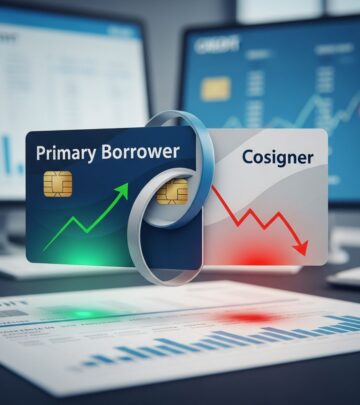
Cosigning places you in a vulnerable position as a secondary borrower, meaning lenders can pursue you for repayment if the primary borrower defaults. According to data from major credit bureaus, late payments on cosigned loans can linger on your credit report for up to seven years, potentially lowering your score by 100 points or more. Beyond credit impacts, it can strain personal relationships and limit your own borrowing capacity for big purchases like a home or car. Recognizing these downsides encourages exploring safer paths forward.
Direct Lending from Personal Funds
One straightforward method is to lend money directly from your savings account. This keeps the obligation entirely between you and the borrower, bypassing traditional lenders altogether. Start by determining an amount you can afford to lose, as recovery isn’t guaranteed. Draft a simple promissory note outlining the principal, interest rate (if any), repayment schedule, and consequences of default. Free templates are widely available online from reputable legal aid sites.
Consider the tax implications: if you charge interest, it may be taxable income, but forgiving a debt could trigger gift tax rules. The IRS allows annual exclusions up to $18,000 per recipient in 2026 without reporting. This option maintains control over funds and avoids credit bureau involvement, preserving your score.
- Pros: Full control over terms, no credit impact, potential interest earnings.
- Cons: Relationship risks, no lender enforcement mechanisms.
Taking the Loan in Your Name
If direct lending isn’t feasible due to insufficient savings, consider applying for the loan yourself and transferring the funds. As the sole account holder, you manage payments, ensuring timely remittances that protect your credit. Create a side agreement with the beneficiary for reimbursement, possibly secured by an asset like a vehicle title.
This works best for modest sums where you can cover payments independently. For instance, a $5,000 personal loan at 10% interest over 24 months yields affordable monthly payments around $230. Shop lenders offering favorable rates based on your strong credit profile. While this assumes full responsibility, it eliminates cosigner liabilities for the other party.
Leveraging Secured Loan Options
Secured loans use collateral to mitigate lender risk, often approving borrowers with weaker credit. You can assist by pledging savings or assets without becoming a cosigner. A savings-secured loan freezes funds equal to the loan amount in a CD or account; default results in forfeiture of those savings, not credit damage to you.
Auto title loans or home equity options exist but carry repossession risks. For family support, a passbook loan from your credit union might suit, where your deposit backs their borrowing. On-time repayments build the borrower’s credit history, fostering independence over time.
| Secured Loan Type | Collateral Needed | Typical Approval Odds | Risk to Helper |
|---|---|---|---|
| Savings-Secured | Bank deposit | High | Loss of savings |
| Auto Title | Vehicle title | Medium-High | Vehicle repossession |
| Home Equity | Property equity | Medium | Foreclosure risk |
Peer-to-Peer Lending Platforms
Peer-to-peer (P2P) lending connects borrowers directly with individual investors via online marketplaces like LendingClub or Prosper. These platforms assess creditworthiness algorithmically, often approving thinner credit files without cosigners. Rates average 7-20% based on risk, with funding in days.
As a supporter, guide them through applications or co-invest small amounts without personal liability. P2P suits urgent needs better than banks, though fees (1-5%) apply. Review platform ratings; established ones report to credit bureaus, aiding score improvement.
Credit Unions and Community Lenders
Credit unions prioritize member needs, offering lenient underwriting for personal loans. They often require lower minimum scores (around 600) and cap rates at 18% by law. Join one with family eligibility to advocate internally. Community banks similarly provide flexibility, especially for local residents.
These institutions foster long-term relationships, potentially waiving cosigner needs via income verification or smaller loan sizes. Compare via tools like Bankrate for best rates.
Building Credit Independently
Empower loved ones to qualify solo by enhancing their credit profile. Free weekly reports from AnnualCreditReport.com reveal errors or outdated info to dispute. Key boosters include:
- Secured credit cards: Deposit-funded limits report positively.
- Authorized user status on your account (monitor usage).
- Payday alternative loans from credit unions for small, reporting debts.
Experian Boost incorporates utility payments into FICO scores, lifting them 13 points on average. Consistent habits like 30% utilization yield results in 3-6 months.
Assisting with Down Payments or Gifts
For mortgages or autos, a down payment gift reduces loan-to-value ratios, easing approvals. IRS 2026 gift limit is $18,000/person; lender letters confirm non-repayment expectations. This sidesteps debt entirely, though document via gift affidavits.
Partial equity contributions, like co-owning a vehicle, secure loans without full cosigning.
Non-Traditional and Smaller Loan Paths
Salary advance programs from employers or apps like Earnin provide short-term cash without credit checks. Microloans from CDFIs target underserved borrowers at low rates. Smaller principal ($1,000-$3,000) loans face less scrutiny across lenders.
Potential Pitfalls and Best Practices
Every alternative has trade-offs: direct loans strain ties, secured options risk assets. Always formalize agreements notarized, communicate openly, and assess repayment capacity via debt-to-income ratios under 36%. Consult non-profits like NFCC for free counseling.
FAQs
Can I lose money helping without cosigning?
Yes, particularly with direct loans or collateral pledges, but credit remains protected unlike cosigning.
How long to build credit for solo loans?
3-12 months with consistent positive activity; secured cards accelerate this.
Are P2P loans safe?
Reputable platforms diversify investor risk and offer guarantees, but research borrower reviews.
What’s the best for bad credit?
Credit unions or secured loans provide highest approval odds without cosigners.
Do gifts affect my taxes?
Under annual limits, no; exceedances require Form 709 filing.
References
- Consumer Financial Protection Bureau – Cosigning Loans — CFPB. 2024-05-15. https://www.consumerfinance.gov/ask-cfpb/what-is-a-cosigner-en-745/
- Federal Trade Commission – Credit Reports and Scores — FTC. 2025-02-10. https://consumer.ftc.gov/articles/free-credit-reports
- AnnualCreditReport.com Official Site — Federal Agencies. 2026-01-01. https://www.annualcreditreport.com
- IRS Gift Tax Rules — Internal Revenue Service. 2026-03-01. https://www.irs.gov/businesses/small-businesses-self-employed/frequently-asked-questions-on-gift-taxes
- National Credit Union Administration – Loan Guidelines — NCUA. 2025-11-20. https://www.ncua.gov
Similar Articles








Read full bio of medha deb