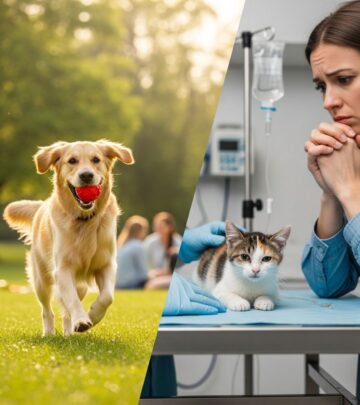
Smart Ways to Cut Your Pet Insurance Costs
Learn practical strategies to lower pet insurance premiums without sacrificing the quality of care your dog or cat receives.

Pet insurance can be a financial lifesaver when your dog or cat faces an unexpected accident or illness, but monthly premiums can add up quickly. By understanding how policies are priced and using a few smart strategies, you can significantly lower your pet insurance costs while still protecting your pet’s health.
Below are five key ways to keep premiums manageable, plus answers to common questions about saving money on pet insurance and planning for long-term pet care expenses.
Why Pet Insurance Costs Keep Rising
Before you start cutting costs, it helps to understand why pet insurance can be expensive. Several trends are pushing premiums higher:
- Rising veterinary costs: Pet medical care is increasingly similar to human healthcare, including advanced imaging, surgery, and cancer treatments, which are becoming more common and more expensive.
- More people treating pets like family: As owners opt for higher-level care, insurers pay more claims on costly procedures, which feeds back into higher premiums.
- Pet aging and chronic conditions: As your pet ages, the risk of illness and ongoing treatment grows, so insurers raise prices to reflect this increased risk.
Despite these trends, there are several levers you can control in your policy to make coverage more affordable.
Tip 1: Choose a Higher Deductible
The deductible is the fixed amount you must pay out of pocket before your pet insurance begins reimbursing you. Selecting the right deductible is one of the most powerful ways to influence your monthly premium.
How Deductibles Affect Your Premium
Most pet insurers let you choose from several deductible levels (for example, $100, $250, $500, or more). The trade-off is straightforward:
- Higher deductible: Lower monthly premiums but more out-of-pocket costs when you file a claim.
- Lower deductible: Higher monthly premiums but less to pay when your pet needs care.
Choosing a higher deductible works best if you:
- Can afford a larger one-time payment in an emergency.
- Have a relatively healthy pet with few chronic issues.
- Prefer to keep monthly cash flow as low and predictable as possible.
| Deductible | Approx. Monthly Premium | Out-of-Pocket in a Major Claim |
|---|---|---|
| $250 | Higher | Lower (you pay $250, then coinsurance) |
| $500 | Lower | Higher (you pay $500, then coinsurance) |
This table is illustrative only; actual premiums and claim costs vary by provider, breed, age, and location.
Annual vs. Per-Incident Deductibles
Some insurers use an annual deductible (you pay it once per policy year), while others may have a per-condition or per-incident deductible structure.
- Annual deductible: Often better for pets with ongoing or multiple conditions in the same year.
- Per-incident deductible: May work if your pet rarely needs vet care beyond routine checkups.
Carefully reading how the deductible is applied can help you avoid surprises when you file a claim.
Tip 2: Reduce Coverage to What You Truly Need
Another major cost driver is the type and level of coverage you choose. Pet insurers typically offer several plan options.
Common Pet Insurance Plan Types
| Plan Type | What It Covers | Relative Cost | Best For |
|---|---|---|---|
| Accident-only | Injuries from accidents (e.g., car accidents, broken bones, ingestions) | Lowest | Owners mainly worried about sudden emergencies on a tight budget |
| Accident & illness | Accidents plus illnesses (e.g., infections, cancer, chronic disease) | Moderate to high | Most pet owners seeking broad protection |
| Accident, illness & wellness add-ons | Above plus routine care like vaccines, exams, and preventive care | Highest | Owners who prefer predictable monthly costs for routine vet care |
When It Makes Sense to Choose Less Coverage
To lower costs, consider whether you truly need wellness add-ons or very high annual limits. Wellness coverage typically adds $10–$25 per month and does not usually reduce your overall insurance costs; it mostly spreads routine expenses over the year.
You might opt for a leaner policy if you:
- Can budget separately for vaccines and routine exams.
- Have a young, healthy pet with low current medical needs.
- Prefer to focus coverage on large, unexpected bills.
You can also save by choosing a lower reimbursement percentage (for example, 70% instead of 90%), which reduces the insurer’s share of each claim and therefore lowers your premium.
Tip 3: Compare Pet Insurance Providers
Insurers price risk differently, so two companies can charge very different premiums for the same pet and similar coverage. Comparison shopping is one of the simplest ways to reduce your bill without sacrificing benefits.
What to Compare Across Providers
- Monthly premium: The amount you pay each month, based on your pet’s species, breed, age, and location.
- Reimbursement rate: Typically 50%–90% of eligible expenses after the deductible; lower rates mean lower premiums.
- Annual or lifetime coverage limits: The maximum the insurer will pay in a year or over your pet’s lifetime.
- Exclusions and waiting periods: Especially for pre-existing conditions, hereditary conditions, and orthopedic problems.
- Customer service and claims process: Consider reviews and whether the company pays vets directly or reimburses you.
Budgeting Benchmarks
Several consumer finance guides suggest budgeting roughly $30–$70 per month for most pets, depending on size, breed, and coverage level. Higher-risk breeds, older pets, and urban areas can push costs toward the top of that range.
Use online quoting tools from multiple insurers to gather at least three comparable quotes before enrolling. Even small monthly savings add up significantly over your pet’s lifetime.
Tip 4: Use Discounts and Special Offers
Most pet insurance companies offer a combination of discounts that can reduce your premiums if you qualify.
Common Pet Insurance Discounts
- Multi-pet discounts: Insuring more than one pet with the same provider can save around 5%–10% per additional pet.
- Bundling with other insurance: Some companies give a discount if you also hold auto, homeowners, or renters insurance with them.
- Employer or group discounts: Certain employers include pet insurance in their benefits or offer group rates through HR. Professional associations and membership organizations sometimes provide negotiated discounts as well.
- Military, senior, or profession-based discounts: Many insurers offer lower rates for military members, seniors, veterinarians, educators, or first responders.
- Introductory or new-customer promotions: Some providers run limited-time deals or fee waivers, especially for newly adopted or rescued pets.
In many cases, you can stack multiple discounts (for example, a multi-pet discount plus an employer discount) to maximize savings, subject to each insurer’s rules.
Tip 5: Enroll Early and Stay with One Provider
The timing of when you buy pet insurance can have a long-term impact on your total costs and the coverage you receive.
Why Insuring Young Pets Saves Money
- Lower risk at enrollment: Insuring a pet while they are still young and healthy generally results in lower starting premiums.
- Fewer pre-existing exclusions: Nearly all insurers exclude coverage for conditions present before the policy starts. Enrolling early means fewer medical issues will be classified as pre-existing and permanently excluded.
- Smoother premium increases: Premiums tend to rise as pets age and vet costs increase, but starting from a lower base premium can keep lifetime costs more manageable.
Avoid Coverage Gaps When Switching
Switching providers may sometimes reduce your premium, but it comes with a major risk: any condition noted in your pet’s medical history under your old policy is likely to be treated as pre-existing by the new insurer.
To protect yourself:
- Avoid letting your coverage lapse, especially if your pet already has diagnosed health issues.
- Carefully review pre-existing condition language before switching insurers.
- Compare not only price but also what conditions will or will not be covered after the switch.
In many cases, staying with the same provider provides more complete coverage over your pet’s lifetime, even if you occasionally adjust your deductible or reimbursement level to manage costs.
Balancing Pet Insurance and Self-Funding
Some pet owners consider forgoing insurance and instead setting aside money in a dedicated savings fund for pet care. Each approach has advantages and drawbacks.
Pros and Cons at a Glance
| Approach | Pros | Cons |
|---|---|---|
| Pet insurance | Helps cover large, unexpected bills; Can make expensive treatments more accessible; Provides financial predictability via premiums. | Ongoing monthly cost; Exclusions and waiting periods; May not be fully used in low-claim years. |
| Self-funded savings | Full control over your money; No policy exclusions or claim paperwork; Savings can earn interest. | May be insufficient for large emergencies early on; Requires strong discipline to maintain the fund; Large bills could still strain your finances. |
Financial educators often recommend combining both strategies: carrying a cost-effective insurance policy to protect against high-cost events while also building a small emergency fund dedicated to pet care.
Frequently Asked Questions (FAQs)
Q: How much should I budget each month for pet insurance?
A: Many guides recommend budgeting around $30–$70 per month for most dogs and cats, depending on your pet’s breed, age, and the coverage you choose. Larger dogs, older pets, and comprehensive policies with high reimbursement rates or unlimited annual limits can cost more. You should also plan for your annual deductible and any costs that exceed your policy’s coverage limits.
Q: Does wellness coverage actually save money long-term?
A: Wellness add-ons generally do not reduce your total pet care costs; they usually add $10–$25 to your monthly premium and help spread routine expenses like vaccines, annual exams, and flea prevention throughout the year. Wellness coverage can be worthwhile if you consistently use all included services and prefer predictable monthly payments instead of larger lump-sum bills.
Q: Is accident-only coverage enough to protect my pet?
A: Accident-only plans are the most budget-friendly option and can provide valuable protection for emergencies such as broken bones, ingestion of foreign objects, or injuries from accidents. However, they do not cover illnesses like infections, cancer, or chronic diseases, which are among the most common and costly reasons for vet visits. If your budget allows, accident-and-illness coverage offers broader protection.
Q: Can I change my deductible or reimbursement rate later?
A: Many insurers allow you to adjust your deductible, reimbursement percentage, or annual limit at policy renewal. Increasing your deductible or lowering your reimbursement rate is a common way to reduce premiums if they rise or your budget changes. Always confirm with your insurer whether adjustments affect coverage for existing conditions.
Q: What else can I do to control overall pet care costs?
A: In addition to optimizing your insurance policy, you can lower total pet expenses by focusing on preventive care and smart shopping. Public and nonprofit veterinary sources emphasize that vaccines, parasite prevention, proper nutrition, and routine checkups can reduce the risk of costly diseases later on. You can also save by buying food and supplies in bulk, doing basic grooming at home, and maintaining a healthy weight for your pet to prevent obesity-related conditions.
References
- 6 Ways to Save Money on Pet Insurance — Experian. 2023-09-15. https://www.experian.com/blogs/ask-experian/how-to-save-money-on-pet-insurance/
- How Much Does Pet Insurance Cost? Complete 2026 Guide — BestMoney. 2026-01-05. https://www.bestmoney.com/pet-insurance/articles/how-much-does-pet-insurance-cost
- How to Save Money on Pet Care: 9 Inflation-Proof Tips — BestMoney. 2025-07-18. https://www.bestmoney.com/pet-insurance/articles/how-to-care-for-your-pet-during-inflation
- Pet Disaster Preparedness — U.S. Federal Emergency Management Agency (FEMA). 2023-03-10. https://www.fema.gov/press-release/20230310/pet-disaster-preparedness
- Frequently Asked Questions: Pet Health — American Veterinary Medical Association (AVMA). 2024-02-01. https://www.avma.org/resources-tools/pet-owners/pet-care
Similar Articles








Read full bio of medha deb