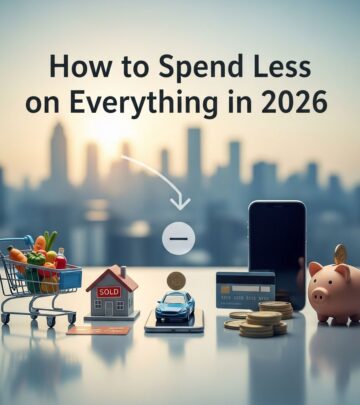
Smart Ways To Cut Your Budget Without Feeling Deprived
Practical, realistic strategies to trim your expenses, stop money leaks, and free up cash for the goals that matter most.

Cutting your budget does not have to mean living a joyless, bare-bones life. A smart budget cut is about removing what no longer serves you, so you can free up cash for the things that truly matter: debt freedom, savings, and long-term security. Done well, trimming expenses can make you feel more in control, not restricted.
This guide walks you through practical, realistic ways to reduce spending across your budget categories, identify hidden money leaks, and build a plan that still supports a life you enjoy.
Why Cutting Your Budget Matters
Any solid financial plan rests on a basic formula: you need to consistently spend less than you earn and direct the difference toward savings, investing, and debt payoff. When your current lifestyle eats up most or all of your income, there is little room left for progress.
Cutting your budget creates breathing room. Even small monthly cuts can compound over time when you redirect them into savings or debt:
- Saving an extra $100 per month is $1,200 per year in cash you did not have before.
- Using that $100 to pay down high-interest debt reduces the interest you owe in future months, accelerating your payoff.
- Investing those savings consistently can meaningfully grow your net worth over time, thanks to compounding.
In other words, budget cuts are not just about having fewer expenses; they are about buying back options, flexibility, and financial peace of mind.
Step 1: Get Clear On Your Why Before You Cut
Before you slash any line items, it helps to understand why you are cutting in the first place. A clear motivation makes it easier to stay consistent when temptations pop up.
Common reasons to cut your budget include:
- Paying off debt faster – especially high-interest credit card balances.
- Building an emergency fund – many experts recommend setting aside 3–6 months of expenses.
- Saving for a big goal – a home purchase, relocation, education, or career shift.
- Reducing financial stress – fewer bills and lower spending can make cash flow feel more manageable.
Write your reason down and keep it visible: in your budget app notes, on your fridge, or next to your computer. When you remember what you are working toward, the changes feel purposeful, not punitive.
Step 2: Review Your Budget And Separate Needs From Wants
Next, you need a clear picture of where your money is going right now. Skipping this step makes it easy to miss small but persistent leaks.
Gather the last 1–3 months of:
- Bank and credit card statements
- Digital wallet transactions (e.g., major payment apps)
- Bills and recurring subscription receipts
Then, list your expenses and label each one:
- Needs – critical for basic living and safety (housing, utilities, minimum debt payments, basic groceries, transportation).
- Wants – nice to have but flexible (eating out, streaming services, nonessential shopping, upgrades, and extras).
This does not mean you must remove every want, but it gives you clarity on which categories are the best candidates for trimming first.
Using Simple Percentage Guidelines
Some people like to compare their spending against basic percentage-based rules, such as allocating portions of income to needs, wants, and savings. These are guidelines, not strict rules, but they can reveal where your budget is out of balance.
| Category | Typical Guideline Range | What It Includes |
|---|---|---|
| Needs | About 50–70% of take-home pay (varies by method) | Housing, utilities, basic food, transportation, insurance, minimum debt payments |
| Savings & Debt Payoff | 20–30% | Emergency fund, retirement contributions, extra debt payments, other savings goals |
| Wants | 10–30% | Dining out, entertainment, travel, subscriptions, shopping, hobbies |
If wants consume a large share of your income, that is usually where you can cut most easily without affecting your basic needs.
Step 3: Identify The Easiest Places To Cut First
Not all expenses are equally painful to reduce. Start with “low-resistance” cuts that give you wins quickly and build momentum.
1. Cancel Or Downgrade Unused Subscriptions
Automatic subscriptions are one of the most common sources of silent budget leaks. Over time, it is easy to accumulate:
- Streaming platforms you rarely watch
- Apps or software you no longer use
- Memberships and clubs you forgot to cancel
Scan your statements for recurring charges. If you have not used a service in the last 30–60 days, consider canceling or downgrading it. Even a few $8–$20 subscriptions add up significantly over a year.
2. Review Your Phone, Internet, And Insurance Plans
Communication and insurance plans are necessary, but your current plan may not be the most cost-effective.
- Call your provider and ask about lower-cost plans, loyalty discounts, or promotions.
- Compare quotes from alternative providers where switching is feasible.
- Check that you are not paying for extras you do not need, like add-on features you never use.
Insurance is a fixed cost you cannot eliminate, but adjusting coverage or shopping around can lower premiums while maintaining appropriate protection, as long as you avoid underinsuring yourself.
3. Cut Back On Automatic Upgrades And Convenience Fees
Many small convenience charges feel insignificant individually but add up across a month. Look for:
- Delivery fees and service charges for meals you could reasonably cook at home.
- In-app add-ons and upgrades you barely notice but pay for repeatedly.
- Expedited shipping on non-urgent purchases.
Replacing some of these with lower-cost alternatives—like batch cooking, free shipping windows, or pickup instead of delivery—can reduce your spending without dramatically changing your lifestyle.
Step 4: Tackle Big-Ticket Budget Categories Thoughtfully
Once you have trimmed the easy items, you can look at larger categories. Changes here can unlock significant savings, but they may require more planning.
1. Housing
Housing is often the single largest line item in a budget. If your housing costs take up a large portion of your income, you may have less room for everything else.
Potential options include:
- Renegotiating your lease at renewal or asking about incentives for longer terms.
- Finding a roommate to share costs, if your space and personal situation allow.
- Considering a move to a more affordable area or a smaller space when your lease or mortgage terms make this feasible.
These changes typically require more time and planning, but they can free up hundreds of dollars per month in some cases.
2. Transportation
Transportation costs can also be significant, especially if car payments, fuel, and insurance are high.
- Plan errands in clusters to reduce fuel usage.
- Use public transportation, carpooling, or biking where safe and practical.
- Evaluate whether a lower-cost vehicle, or going down to one car per household, is realistic for your situation.
Be careful not to cut corners on essential maintenance; delaying critical repairs can be more expensive later.
3. Food And Groceries
Food is a flexible category with many opportunities to save, especially between meals at home and meals out. Studies show that preparing food at home generally costs significantly less per meal than eating out, particularly over time.
Consider strategies such as:
- Planning a simple weekly menu before grocery shopping.
- Making a list and sticking to it to reduce impulse buys.
- Batch cooking meals and using leftovers intentionally.
- Shifting some meals from restaurants to home-cooked alternatives.
You do not have to eliminate dining out entirely; even cutting one or two restaurant meals per week can free up noticeable cash.
Step 5: Reduce Impulse Spending And Emotional Purchases
Budget cuts are easier when you reduce unplanned spending. Impulse purchases often fill emotional needs temporarily but can work against your goals.
To reduce unplanned spending:
- Set a waiting period – create a 24–48 hour rule before nonessential purchases above a certain amount.
- Remove stored cards from shopping sites to add friction before buying.
- Unsubscribe from marketing emails that encourage constant buying.
If you tend to spend when stressed or overwhelmed, substitute non-spending coping strategies when possible: a walk, journaling, or calling a friend.
Step 6: Re-Align Your Budget With Your Values
Cutting your budget becomes more sustainable when it reflects what you truly value. The goal is not to strip away every comfort, but to spend intentionally.
Ask yourself:
- Which expenses genuinely make my life better?
- Which expenses I would not miss after a few weeks?
- Where could I spend less but still enjoy the same experience?
For example, you might decide to keep a favorite hobby or occasional coffee outings, while letting go of random online shopping or rarely used services. This values-based approach makes your budget feel personal and meaningful, rather than a generic list of restrictions.
Step 7: Create A “Cut-Back” Plan You Can Stick To
Once you have identified where to cut, turn your ideas into a concrete, realistic plan. Instead of attempting to overhaul everything at once, choose a few focused changes for the next month.
Build A Simple Monthly Cutback Plan
For your next budget period, you might structure your cutback plan like this:
- Subscriptions: Cancel or pause three services, saving $40 per month.
- Dining out: Limit meals out to twice a week, saving $80 per month.
- Impulse shopping: Add a $50 cap to unplanned discretionary purchases.
- Phone or internet: Switch to a lower-cost plan, saving $20 per month.
Total potential monthly savings in this example is $190. Decide in advance what you will do with that $190—such as sending it directly to savings or an extra debt payment—so it does not silently disappear.
Automate Your New Plan Where Possible
Automation makes it easier to maintain your new spending habits. Many personal finance experts recommend paying yourself first by automatically transferring money to savings or debt before spending on discretionary items.
- Schedule automatic transfers to savings right after payday.
- Set up automatic extra payments on specific debts if your cash flow allows.
- Use account alerts to notify you when you are nearing category limits.
Step 8: Track Progress And Adjust Regularly
A budget is a living plan, not a one-time document. Your first round of cuts may not be perfect, and that is normal. Regular check-ins help you refine your approach.
Try a weekly review where you:
- Compare actual spending to your planned amounts.
- Note any categories where you over- or underspent.
- Decide what to adjust next week (e.g., lower one category, increase another, or shift priorities).
Monthly reviews are also helpful for spotting trends—like a recurring overspend in one area—that may signal your budget needs to be rebalanced.
Common Mistakes When Cutting Your Budget
As you streamline your spending, be aware of a few common pitfalls:
- Going too extreme too fast – drastic cuts can trigger burnout or rebound spending. Moderate, sustainable changes are usually more effective.
- Neglecting maintenance and health – skipping necessary car maintenance, medical care, or insurance can be costly later.
- Cutting all fun – eliminating every enjoyable expense can make your budget hard to stick with. Leave some room for low-cost enjoyment.
- Not redirecting savings – if you do not decide where your freed-up money goes, it may get spent without you noticing.
Sample Before-And-After Budget Cuts
To visualize how changes can look, here is a simplified example of monthly budget adjustments:
| Category | Before | After | Change |
|---|---|---|---|
| Streaming & subscriptions | $75 | $30 | – $45 |
| Dining out | $220 | $140 | – $80 |
| Groceries | $400 | $360 | – $40 |
| Impulse shopping | $150 | $80 | – $70 |
| Phone & internet | $130 | $110 | – $20 |
| Total Change | – $255 |
In this example, the person frees up $255 per month. If they direct that amount toward a combination of savings and debt payoff, their financial position can improve significantly over a year.
Frequently Asked Questions (FAQs)
Q: How much should I try to cut from my budget at first?
A: There is no single right number, but many people find it realistic to start by trimming 5–10% of their discretionary spending and then increasing cuts later if needed. Focus first on the easiest categories—like unused subscriptions and excess dining out—before making larger structural changes.
Q: Is it better to cut small expenses or focus on big ones?
A: Both matter. Small recurring charges can quietly add up, while big-ticket categories like housing and transportation offer larger potential savings but require more planning. Start with small wins to build momentum, then assess whether larger changes could help you reach your goals faster.
Q: How do I cut my budget if my income is very limited?
A: When income is tight, focus on protecting essentials first: housing, utilities, food, insurance, and minimum debt payments. Then look for any nonnecessities that can be paused, reduced, or replaced with lower-cost alternatives. In some situations, increasing income through additional work or skills development may be as important as cutting expenses.
Q: How often should I review my budget after cutting it?
A: Weekly check-ins are often enough to stay on track without feeling overwhelmed. Use that time to log expenses, review category totals, and make small adjustments. A more detailed review once a month helps you see overall progress, refine your cutback plan, and update your goals.
Q: What should I do with the money I save from cutting my budget?
A: Decide this in advance so your savings do not get spent unintentionally. Many people prioritize building an emergency fund, paying down high-interest debt, and contributing to retirement accounts. Choosing a clear priority gives your budget cuts a purpose and turns short-term sacrifices into long-term benefits.
References
- Budgeting and Saving — Consumer Financial Protection Bureau. 2023-05-05. https://www.consumerfinance.gov/consumer-tools/budgeting/
- Strategies for Reducing Credit Card Debt — Consumer Financial Protection Bureau. 2022-11-18. https://www.consumerfinance.gov/about-us/blog/strategies-reducing-credit-card-debt/
- Compound Interest: Definition, Importance and Formula — U.S. Securities and Exchange Commission (Investor.gov). 2023-04-10. https://www.investor.gov/introduction-investing/investing-basics/compound-interest
- Emergency Savings — Consumer Financial Protection Bureau. 2023-03-15. https://www.consumerfinance.gov/consumer-tools/save-and-invest/emergency-funds/
- How to Choose the Right Amount of Insurance — National Association of Insurance Commissioners. 2022-09-20. https://content.naic.org/consumer.htm
- Healthy Eating on a Budget — U.S. Department of Agriculture. 2022-06-30. https://www.myplate.gov/eat-healthy/healthy-eating-budget
- Financial Planning and Lifestyle Choices — FINRA Investor Education Foundation. 2022-10-12. https://www.finra.org/investors/personal-finance/budgeting-saving
Similar Articles








Read full bio of Sneha Tete