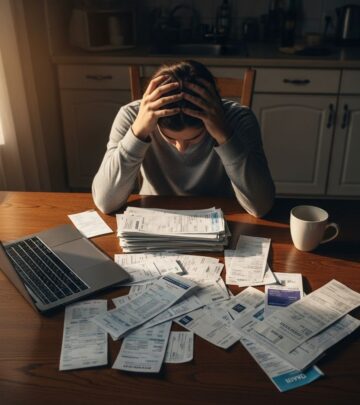
Things To Do When You’re Broke: A Realistic Action Plan
A practical step-by-step money plan to regain control, cut stress, and start building stability when you feel completely broke.

Feeling broke can be overwhelming, embarrassing, and exhausting, but it does not mean you are powerless or doomed to stay stuck. You can take concrete, practical steps today to stabilize your situation, reduce stress, and begin moving toward financial security.
This guide walks you through what to do when you’re broke, from calming the emotional spiral to building a simple, realistic money plan. You will find specific actions, examples, and tips you can apply even if your income is low, your debt feels huge, or you are starting from zero.
First, Pause and Check Your Mindset
Before you make any money moves, it is critical to address how you are thinking and feeling. Financial stress is strongly linked with anxiety, depression, and sleep problems, which can make it harder to make good decisions.
- Recognize this is a situation, not your identity. Being broke right now does not mean you are bad with money or destined to fail. It simply describes your current numbers.
- Replace shame with curiosity. Instead of thinking “I’m terrible with money,” ask “What exactly is happening with my money, and what can I change first?”
- Focus on what you can control today. You may not be able to erase debt or raise your income overnight, but you can control your next three or four decisions.
Research on financial resilience shows that people who believe their actions can improve their situation are more likely to take effective steps and recover from setbacks. So your mindset is not fluff—it is part of your strategy.
Get Honest About Your Current Financial Picture
When you are broke, it can be tempting to avoid looking at your bank accounts or bills. But you cannot fix what you will not face. A short, honest money check-in will give you clarity and show you where to focus.
- List your income. Include your after-tax pay, benefits, child support, side jobs, and any predictable cash coming in.
- List your essential expenses. Housing, utilities, basic food, basic transportation, minimum debt payments, and any critical medical costs.
- List your debts. Note balances, minimum payments, and interest rates for loans and credit cards.
- List what you own. Cash, checking and savings accounts, retirement accounts, and anything of value you might sell if necessary.
| Category | Examples | Goal in a Crisis |
|---|---|---|
| Essentials | Rent, utilities, groceries, transportation | Keep paid and current |
| Important but Flexible | Phone plan, internet, insurance add-ons | Reduce where possible |
| Non-essential | Streaming services, eating out, shopping | Pause or cut temporarily |
Build a Survival Budget (For Right Now)
A survival budget is a bare-bones plan for your money that covers only what you truly need to stay safe, housed, and fed. This is not your forever lifestyle—it is your short-term plan to get through a financially tight season.
Prioritize the Four Walls
Financial educators often recommend focusing on your “four walls” first: housing, utilities, food, and basic transportation.
- Housing: Rent or mortgage and any mandatory fees.
- Utilities: Electricity, water, basic heat/cooling. Ask about payment plans or assistance if you are behind.
- Food: Groceries for cooking at home, not takeout. Plan simple, low-cost meals.
- Transportation: Gas or transit passes needed to get to work, school, and essential appointments.
Cut Back Hard on Non-essentials
In survival mode, every dollar needs a job. That means aggressively trimming anything that is not essential for your safety or ability to earn money.
- Pause all non-essential subscriptions and memberships.
- Reduce your phone or internet plan to the cheapest viable option.
- Cook at home and avoid delivery and eating out.
- Delay upgrades and non-urgent purchases (clothes, decor, gadgets).
- Use your local library for books, movies, and internet where possible.
Many households underestimate how much they can save by temporarily cutting non-essentials. Studies in household finance show that discretionary spending (like dining out and entertainment) can be a substantial share of monthly expenses, even on modest incomes.
Communicate With Creditors and Service Providers
Ignoring bills usually makes things worse through late fees, interest, and collections. Reaching out early often gives you more options.
- Call your creditors. Ask about hardship programs, temporary lower payments, waived fees, or extended due dates.
- Contact your landlord or lender. Explain your situation and ask whether there are any payment plans or short-term arrangements.
- Ask utility companies about assistance. Many providers and local governments offer energy assistance, budget billing, or emergency aid programs.
Be honest but brief: explain your situation, what you can pay right now, and when you expect to pay more. Get any agreements in writing (email is fine) and keep notes of who you spoke to and when.
Look for Immediate Cost Relief and Assistance
If you are struggling to afford food, utilities, or housing, you are not alone—and there may be programs and organizations that can help while you get back on your feet.
- Food assistance: Look for food banks, community fridges, or national nutrition programs in your area.
- Housing and utility help: Some regions offer rental assistance, energy assistance, or crisis grants through government or non-profit organizations.
- Healthcare options: Check for public insurance programs or low-cost clinics; delaying needed care can be more expensive later.
Using assistance is not a moral failing. It is a tool to protect your health and stability while you work on long-term solutions.
Create a Small Starter Emergency Buffer
When you are broke, the idea of a large emergency fund can feel impossible. Instead, aim for a small starter buffer—often $250–$500—as your first milestone. Even a few hundred dollars can reduce the risk of needing high-cost debt for minor emergencies.
- Open or use a basic savings account (if available) and separate this money from your spending account.
- Send every spare dollar—refunds, small windfalls, side income—into this buffer until you reach your initial target.
- Treat this money as “for emergencies only,” not for routine shortfalls.
Evidence from consumer finance research shows that even small cash buffers significantly reduce financial distress and the likelihood of missing payments.
Find Ways to Increase Your Income (Even Temporarily)
Cutting spending is powerful, but there is a limit to how much you can cut. Increasing income—especially in the short term—can help you move out of survival mode faster.
Short-term Cash Ideas
- Sell items you are not using. Clothes, electronics, furniture, devices, fitness equipment, or baby gear in good condition.
- Offer services locally. Babysitting, pet care, tutoring, cleaning, yard work, or helping with errands.
- Ask for extra hours. If you have a job with potential overtime or extra shifts, ask your manager what’s possible.
Longer-term Income Moves
- Update your resume and profiles. Highlight recent achievements and skills.
- Look for higher-paying roles. Even a small hourly increase can make a big difference over a year.
- Develop a skill you can monetize. For example, digital skills, trades, or certifications that can improve your earning potential.
Labour market research shows that over the long term, increases in income have a stronger impact on financial stability than small changes in spending alone, especially for very low-income households.
Use Debt Strategically While You Stabilize
When you are broke and in debt, your goal is to avoid digging the hole deeper while protecting your essentials. This is not the time for aggressive payoff strategies unless your basic needs are fully covered.
- Make minimum payments on all debts if you can. This helps prevent default and protects your credit from further damage.
- Do not take on new high-interest debt for non-emergencies. Try to avoid new credit card balances or unnecessary buy-now-pay-later plans.
- Explore lower-cost options. For example, if you have high-interest credit card debt, you might look into whether a lower-rate product or consolidation makes sense later, once your budget is stable.
Once you are consistently covering essentials and have a small emergency cushion, you can begin choosing a focused payoff method (such as the highest-interest-first or smallest-balance-first approach) that fits your situation.
Rebuild a Simple Money System
After you get through the immediate crisis, you can shift from pure survival to building a basic, sustainable money system that reduces the chance of feeling this broke again.
Set 3, 6, and 12-Month Goals
Clear, time-bound goals make it easier to stay motivated and track progress. Financial education organizations often recommend using the SMART framework (Specific, Measurable, Achievable, Relevant, Time-bound).
- 3-month ideas: Build a $500 emergency buffer, bring one bill current, or track every expense.
- 6-month ideas: Pay off one small debt, catch up on utilities, or save one month of rent.
- 12-month ideas: Build a full emergency fund of 1–3 months of expenses, increase retirement contributions, or transition to a higher-paying job.
Automate What You Can
Once you have even a little room in your cash flow, automation can help you stay consistent:
- Automatic transfers to savings right after payday.
- Automatic minimum debt payments to avoid missed due dates.
- Calendar reminders to review your budget monthly.
Protect Your Mental Health While You Work Your Plan
Money stress is not just about numbers—it deeply affects your mental health and relationships. Research from mental health organizations shows a strong link between financial strain and conditions like anxiety and depression.
- Talk to someone you trust. Share what you are going through with a supportive friend, family member, or mentor.
- Use free or low-cost counseling. Many communities, schools, workplaces, and healthcare systems offer mental health resources.
- Set small daily wins. For example, “Today I will make one phone call about a bill” or “Today I will cook at home.”
- Limit comparison. Social media can distort your perception of how others are doing financially.
Taking care of your mental health helps you think clearly, stick to your plan, and recover more quickly from setbacks.
Frequently Asked Questions About What to Do When You’re Broke
Q: Should I pay off debt or save first if I’m completely broke?
If you cannot cover essentials, focus on a survival budget and keeping housing, utilities, and food stable first. Once essentials are covered, many experts suggest building a very small emergency buffer (for example, a few hundred dollars) before pursuing more aggressive debt payoff, so that minor emergencies do not push you further into debt.
Q: Is it a bad idea to borrow from family or friends?
Borrowing from people you know can sometimes be cheaper than using high-interest debt, but it can strain relationships. If you choose to borrow, treat it like a formal agreement: write down the amount, payment plan, and expectations, and be transparent if anything changes.
Q: How can I stop feeling ashamed about being broke?
Remind yourself that many people experience financial hardship due to job loss, illness, economic conditions, or past decisions, and that shame rarely helps you move forward. Focus on concrete actions you are taking now—like building a survival budget or asking for help—and consider speaking with a counselor or support group if your feelings of shame are overwhelming.
Q: What if my income is so low that I can’t make the numbers work?
If your essential expenses are consistently higher than your income, you likely need a combination of support (such as public benefits, assistance programs, or community resources) and income changes (such as a different job, more hours, or additional work). Getting help from a reputable non-profit financial counselor can also provide personalized guidance.
Q: How long will it take to stop feeling broke?
There is no single timeline because it depends on your income, expenses, debt, and available support. However, many people start to feel less stressed within a few weeks of having a survival budget and a small emergency buffer, even if their long-term goals will take longer. Consistency with small actions often matters more than trying to make one huge change.
References
- Debt and mental health: the role of mental health literacy in support-seeking and current service use — Richardson, T. et al., Journal of Mental Health. 2018-01-01. https://doi.org/10.1080/09638237.2017.1385745
- Financial resilience and financial well-being: evidence from the OECD/INFE 2020 International Survey — OECD. 2022-06-28. https://www.oecd.org/financial/education/financial-resilience-and-financial-well-being-oecd-infe-2020.htm
- Consumer Financial Protection Bureau: Your emergency fund — Consumer Financial Protection Bureau. 2024-03-01. https://www.consumerfinance.gov/consumer-tools/educator-tools/resources-for-consumers/building-your-savings/
- Report on the Economic Well-Being of U.S. Households in 2023 — Board of Governors of the Federal Reserve System. 2024-05-22. https://www.federalreserve.gov/publications/2024-economic-well-being-of-us-households-in-2023.htm
- Low Income Home Energy Assistance Program (LIHEAP) Fact Sheet — U.S. Department of Health & Human Services. 2023-10-01. https://www.acf.hhs.gov/ocs/programs/liheap
Similar Articles








Read full bio of medha deb