Smart Strategies for Taking Out a Personal Loan
Learn how to compare, choose, and manage personal loans wisely so you can borrow confidently and protect your long-term financial health.

Personal loans can be a powerful financial tool when used carefully. They can help you consolidate high-interest debt, cover large expenses, or manage an emergency without tying up your home or other assets. However, borrowing without a plan can quickly become expensive and stressful. This guide walks through the essential tips and tricks for taking out a personal loan wisely, from evaluating if it is the right move to managing the loan after you receive the funds.
Understanding How Personal Loans Work
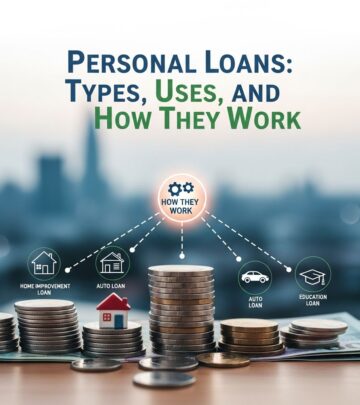
A personal loan is typically an unsecured installment loan, meaning you borrow a fixed amount and repay it over a set term with regular, usually monthly, payments. Unlike a credit card, the rate is often fixed, and you know in advance when the loan will be fully repaid.
According to the U.S. Federal Reserve, personal loans are a rapidly growing form of consumer credit, often used as an alternative to high-interest credit card balances. Because they are usually unsecured, lenders base approval and pricing heavily on your credit profile, income, and existing debts.
| Feature | Personal Loan | Credit Card |
|---|---|---|
| Type of credit | Installment (fixed term) | Revolving (no fixed end date) |
| Interest rate | Usually fixed | Usually variable |
| Monthly payment | Fixed amount | Varies with usage |
| Typical use | Debt consolidation, large purchases | Everyday spending |
Deciding Whether You Should Take Out a Loan
Before you apply, it is crucial to determine whether borrowing is necessary and appropriate for your situation. Financial regulators consistently advise consumers to avoid borrowing for nonessential spending and to consider the long-term cost of debt.
Good Reasons to Consider a Personal Loan
- Consolidating high-interest debt into a lower-rate loan to reduce interest costs and simplify payments.
- Covering a large, necessary expense such as medical bills, essential car repairs, or education-related costs not covered by cheaper loan types.
- Avoiding higher-cost credit like payday loans or high-fee credit cards, which often carry far steeper charges.
Situations Where You May Want to Wait
- If the purchase is discretionary (luxury travel, nonessential upgrades).
- If you are already struggling with existing debt payments and might not be able to handle a new monthly obligation.
- If your credit is very weak and you would likely receive a very high APR, making borrowing extremely expensive.
Check Your Credit Before You Apply
Your credit score and credit report are central to whether you are approved and what rate you receive. Lenders use this information to assess your likelihood of repayment.
Why Your Credit Matters
- A higher score can qualify you for a lower interest rate, reducing the total cost of borrowing over the life of the loan.
- A low score may limit the lenders and loan amounts available, or lead to a denial.
- Errors on your credit report can unfairly push your score down, which is why regulators encourage regularly reviewing your report.
Steps to Take With Your Credit
- Obtain your credit reports from the major credit bureaus through authorized channels.
- Review them for mistakes such as accounts you do not recognize, incorrect balances, or outdated negative records.
- Dispute any inaccuracies with the credit reporting agency, providing supporting documentation when possible.
- If you can wait, take a few months to improve your score by paying down revolving balances and making all payments on time.
Determine How Much You Really Need to Borrow
One of the most effective ways to avoid debt problems is to borrow only what you truly need. Consumer protection agencies emphasize that unnecessary borrowing increases long-term costs and risk of financial strain.
How to Calculate Your Loan Amount
- List the exact expenses you intend to cover with the loan (balances to consolidate, medical bills, etc.).
- Subtract any savings or other sources you can responsibly use to reduce the amount needed.
- Add a small buffer for fees if your lender deducts them from the amount disbursed, so you still receive enough for your intended purpose.
Assess Affordability
Being approved does not automatically mean the loan is affordable. You should compare the estimated monthly payment with your budget and other obligations.
- List your current net income and all existing monthly expenses (including minimum payments on other debts).
- Use a loan calculator or sample amortization schedule to estimate your monthly payment at different terms and rates.
- Ensure you have enough surplus each month not only to cover the new payment but also to handle unexpected expenses.
Compare Different Types of Lenders
Personal loans are available from banks, credit unions, and online lenders. Each option has strengths and trade-offs, and comparing them can help you find a better rate and terms.
| Lender Type | Potential Advantages | Possible Drawbacks |
|---|---|---|
| Banks | Established institutions; may offer relationship discounts to existing customers. | Can have stricter credit requirements and slower approval times. |
| Credit unions | Often competitive rates and member-focused policies; may be more flexible with credit. | Membership may be required; smaller geographic reach. |
| Online lenders | Fast applications and decisions; convenient digital experience. | Wide range of quality; must verify legitimacy and terms carefully. |
How to Shop Around Effectively
- Use pre-qualification tools that provide estimated rates with only a soft credit check, which does not affect your credit score.
- Gather offers from multiple lenders so you can compare APRs, fees, and terms side by side.
- Read independent reviews and verify the lender is licensed and compliant with applicable regulations.
Key Loan Terms and Fees You Must Understand
When reviewing offers, look beyond just the advertised interest rate. The combination of rate, fees, and repayment term will determine your total cost and monthly payment.
Annual Percentage Rate (APR)
The APR reflects the interest rate plus certain fees expressed as a yearly rate. U.S. regulations require lenders to disclose the APR so consumers can more easily compare offers. When two loans have similar terms, the one with the lower APR is generally cheaper overall.
Repayment Term
- A shorter term (for example, 2–3 years) usually means higher monthly payments but lower total interest paid.
- A longer term (such as 5–7 years) generally lowers your monthly payment but increases the total interest cost over the life of the loan.
Common Loan Fees
- Origination fee: A fee some lenders charge to process the loan, often taken out of the amount you receive.
- Late payment fee: Charged if you miss or delay a payment; repeated late payments may also harm your credit.
- Prepayment penalty: A fee for paying off the loan early; not all lenders charge this, so it is worth checking.
Strategies to Qualify for a Better Loan
Improving your borrower profile before you apply can help you secure better terms. Research supported by central banks and regulators highlights that stronger credit histories and lower existing debt levels are consistently associated with lower borrowing costs.
Strengthen Your Application
- Pay down high-interest revolving debt to lower your credit utilization, a key factor in many scoring models.
- Avoid opening several new accounts just before applying, which can signal higher risk.
- Gather proof of stable income, such as pay stubs or tax returns, to demonstrate repayment capacity.
Consider a Co-Signer or Collateral (If Appropriate)
- A creditworthy co-signer may improve your approval chances and rate, but remember the co-signer is equally responsible for repayment.
- Some lenders offer secured personal loans backed by savings or other assets. These can sometimes come with lower rates but put the collateral at risk if you default.
Smart Ways to Use Personal Loan Funds
Once approved, using the funds according to your plan is essential for achieving your financial goal. Misusing the money can leave you with new debt and the original problem unsolved.
Prioritize High-Value Uses
- Pay off higher-interest debts first if you are consolidating, such as store cards or high-rate credit cards.
- Direct funds to essential expenses that protect your income or well-being, like critical repairs or medical needs.
- Avoid redirecting loan funds to speculative investments or nonessential spending.
Avoid Common Pitfalls
- Do not use the loan as an excuse to run up new credit card balances, which can leave you deeper in debt.
- Resist the urge to borrow more than necessary just because you were approved for a larger amount.
- Keep clear records of how the funds are used so you can track whether the loan is delivering the intended benefit.
Planning Your Repayment Strategy
How you manage the loan after disbursement is just as important as the terms you secure. Responsible repayment protects your credit and reduces total interest.
Build the Payment Into Your Budget
- Mark your due date on your calendar and consider aligning it with your pay schedule for easier cash flow management.
- Set aside funds each month in a dedicated account so the payment is always covered.
- If your lender offers an autopay discount, enrolling can both save you money and help you avoid missed payments.
Pay Extra When Possible
- If there is no prepayment penalty, paying more than the minimum can reduce interest costs and shorten the term.
- When you receive bonuses, tax refunds, or other windfalls, consider applying part of them toward the principal.
- Confirm with your lender that extra payments are applied directly to the principal rather than treated as early payments for future months.
Red Flags and Mistakes to Avoid
Even a seemingly attractive offer can hide risks. Regulatory agencies and consumer advocates highlight several warning signs to watch for when borrowing.
Warning Signs in a Loan Offer
- Extremely high APRs compared with other offers you have received.
- Pressure to decide quickly or sign paperwork you have not fully read.
- Upfront fees demanded before approval or disbursement, especially via unconventional payment methods.
- Lack of clear disclosures regarding APR, total cost, or repayment schedule, despite legal requirements.
Behavioral Mistakes to Watch For
- Using the loan repeatedly to roll over older debts without addressing underlying spending issues.
- Ignoring communication from your lender if you run into trouble, instead of reaching out early to discuss options.
- Failing to adjust your budget after consolidating debt, which can lead to building up new balances.
Frequently Asked Questions (FAQs)
Q: How does a personal loan affect my credit score?
A: Applying for a personal loan typically results in a hard inquiry, which can cause a small, temporary drop in your credit score. Over time, making on-time payments can help strengthen your credit history, while missed or late payments can damage it.
Q: Is it better to use a personal loan or a credit card for large expenses?
A: For a one-time large expense that you plan to repay over several months or years, a personal loan with a fixed rate and structured repayment schedule is often more predictable and can be cheaper than carrying a high-interest credit card balance, especially if the card has a much higher APR.
Q: Can I pay off a personal loan early?
A: Many lenders allow early payoff without penalty, which can save you money on interest. However, some charge prepayment fees. It is important to check your loan agreement to see whether any such fees apply before you accelerate payments.
Q: What credit score do I need to qualify for a personal loan?
A: Lenders have different criteria, but in general, higher scores lead to better approval odds and lower rates. Some lenders offer loans to borrowers with fair or poor credit at higher APRs, while others may require good to excellent credit for their most competitive terms.
Q: What should I do if I cannot make a payment?
A: Contact your lender immediately if you expect to miss a payment. Some lenders may offer hardship options such as modified payment plans or temporary relief. Ignoring the problem can lead to late fees, collections, or damage to your credit report.
References
- Consumer Credit – G.19 — Board of Governors of the Federal Reserve System. 2024-11-07. https://www.federalreserve.gov/releases/g19/current/default.htm
- What Is a Credit Score? — Consumer Financial Protection Bureau (CFPB). 2023-06-21. https://www.consumerfinance.gov/ask-cfpb/what-is-a-credit-score-en-315/
- Managing Debt — Federal Trade Commission (FTC). 2023-04-04. https://consumer.ftc.gov/articles/managing-debt
- Disputing Errors on Your Credit Reports — Consumer Financial Protection Bureau (CFPB). 2024-01-12. https://www.consumerfinance.gov/consumer-tools/credit-reports-and-scores/disputing-errors-on-your-credit-report/
- What Is the Annual Percentage Rate (APR) on a Loan? — Consumer Financial Protection Bureau (CFPB). 2022-08-18. https://www.consumerfinance.gov/ask-cfpb/what-is-the-annual-percentage-rate-apr-on-a-loan-en-102/
Similar Articles








Read full bio of Sneha Tete