Smart Staycation Ideas Your Budget Will Love
Turn time off at home into a fun, relaxing, and affordable staycation without wrecking your financial goals or your budget.
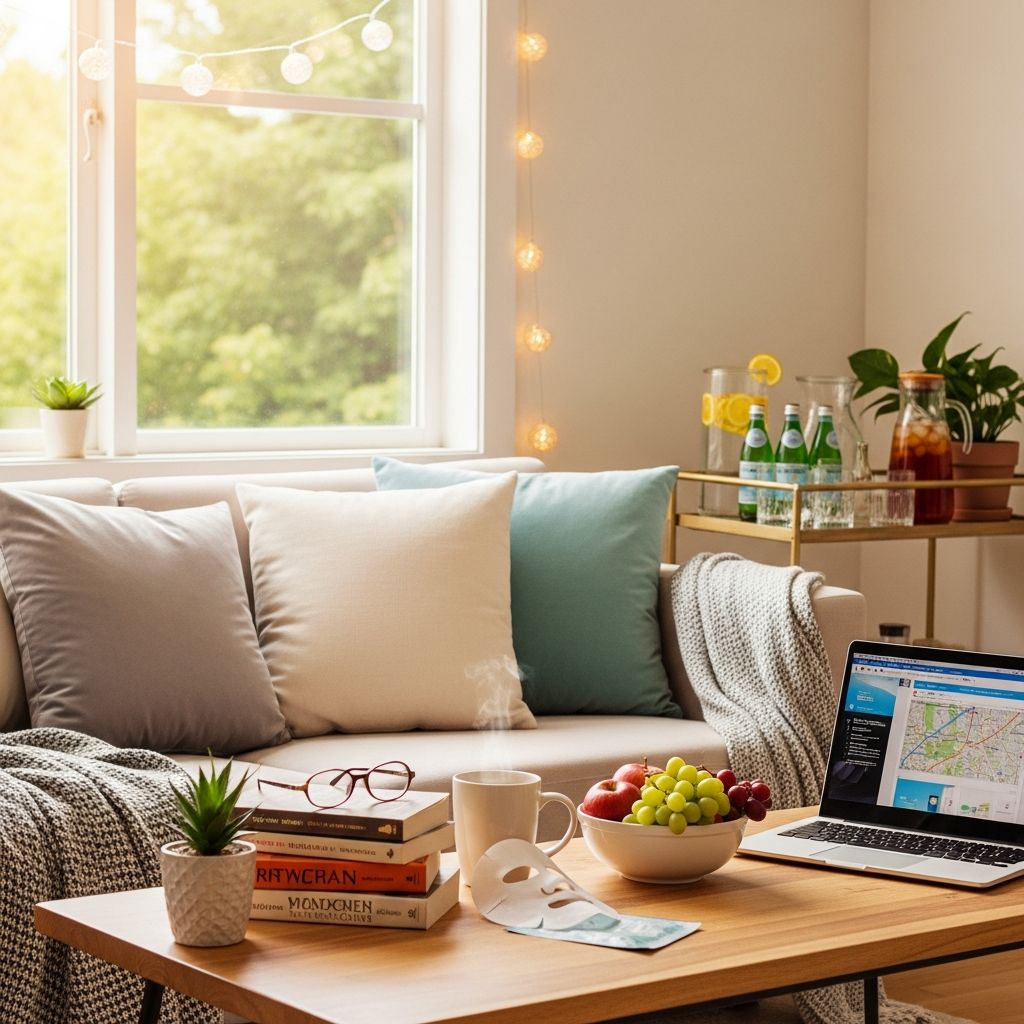
Taking time off does not have to mean expensive flights, luxury resorts, or a maxed-out credit card. A well-planned staycation can give you the rest, fun, and connection you are craving, all while keeping your financial goals on track.
This guide walks you through what a staycation is, how to plan one without guilt, and plenty of budget-friendly ideas you can do at home or just around the corner.
What is a staycation?
A staycation is a vacation that you spend at home or close to home instead of traveling far away. You still take a break from work and regular responsibilities, but you avoid high travel costs like airfare, hotels, and pricey tourist attractions.
Staycations can be:
- Completely at home (think cozy, no-schedule days, pampering, and hobbies)
- Local adventures within your city or a short drive away
- A mix of both, with one or two paid activities and plenty of free or low-cost fun
Because you are not paying for long-distance travel or multiple nights away, a staycation can cost a fraction of a traditional vacation while still giving you a mental and emotional reset.
Why a staycation is great for your budget
Travel can be one of the biggest discretionary expenses in a household budget. Transportation, lodging, dining out, and entertainment add up quickly, and many people put trips on credit cards and pay interest later. Research shows that U.S. consumers regularly use credit for vacations and other discretionary spending, which can contribute to financial stress if not planned carefully.
A staycation lets you enjoy time off while:
- Spending less on travel and accommodation
- Avoiding new high-interest debt tied to vacation costs
- Redirecting savings to other priorities like an emergency fund or debt payoff
- Reducing stress from travel logistics, delays, and tight schedules
From a financial wellness standpoint, consistently overspending on vacations can crowd out savings and increase debt, while intentionally planning affordable breaks supports long-term financial security.
Staycation vs vacation: quick comparison
| Feature | Typical Vacation | Staycation |
|---|---|---|
| Travel costs | High (flights, gas, car rentals) | Low to none |
| Lodging | Hotels, resorts, rentals | Home or occasional local hotel |
| Food | Mostly dining out | Mix of home-cooked and occasional meals out |
| Overall impact on budget | Can be very expensive, often financed | More flexible and budget-friendly |
| Stress level | Airports, packing, logistics | Low logistics, more control |
How to plan a budget-friendly staycation
A great staycation starts with intentional planning. Treat it like a real vacation so you actually relax and don’t fall into chores and errands the whole time.
1. Decide your staycation budget
Start by looking at your monthly budget and deciding how much you can comfortably allocate to a staycation without compromising essentials or savings. Financial educators recommend planning vacations and similar spending within a clear budget and timeline so you are not relying on last-minute credit.
Consider including:
- Meals out or special groceries
- Tickets (museum, movie, local attractions)
- Transportation (gas, public transit)
- Supplies (craft materials, spa items, picnic gear)
- One splurge item (a night in a hotel, a massage, or a concert)
2. Set your staycation goals
Ask yourself what you want most from this time:
- Rest — more sleep, slow mornings, and quiet time
- Connection — quality time with a partner, kids, family, or friends
- Adventure — new experiences close to home
- Personal growth — reading, learning, or tackling creative projects
Your goals will shape which ideas you choose and how you prioritize your time and spending.
3. Block off time and set boundaries
To make a staycation feel like a real break:
- Take official time off from work (if possible) and set your out-of-office reply
- Silence non-essential notifications on your phone
- Let friends or family know you are on a staycation and may respond more slowly
- Limit chores to the basics; save deep cleaning or big projects for another week
Clear boundaries support the mental health benefits of time off, which research links to lower stress and improved well-being.
4. Plan a loose itinerary
You do not need a rigid schedule, but a light plan helps you avoid wasting the whole staycation deciding what to do.
Try this simple structure:
- Choose a theme for each day (pampering, outdoors, creativity, local adventures, etc.)
- List 1–2 anchor activities per day
- Leave space for downtime and spontaneous choices
Budget-friendly staycation ideas at home
You can create a surprising amount of joy and relaxation without leaving your home. Use these ideas as building blocks and mix and match based on your budget and interests.
1. Create a DIY home spa day
Recreate the feeling of a spa without paying resort prices. Stress-reducing, low-cost self-care at home can support overall well-being when practiced regularly.
Ideas for your home spa:
- Take a long bath with candles, calming music, and bath salts or essential oils
- Use face masks (store-bought or homemade with ingredients like oatmeal or yogurt)
- Give yourself a manicure and pedicure
- Do a hair treatment and let it soak while you read or relax
- Wear a robe or comfy loungewear and slippers all day
2. Host a themed movie or series marathon
Turn your living room into a cozy private theater:
- Pick a theme (travel movies, feel-good classics, a series you have been meaning to finish)
- Make popcorn and a few budget-friendly snacks
- Arrange blankets, pillows, and dim lighting
- Put your phone on silent to stay present
3. Plan a gourmet night in
Instead of expensive restaurant meals, create a restaurant-style experience at home:
- Plan a menu with an appetizer, main dish, and dessert
- Shop your pantry first and buy only what you need to fill the gaps
- Set the table with your best dishes and cloth napkins
- Dress up as if you were going out
- Play background music that fits the mood (jazz, acoustic, or classical)
This can be a romantic date night, a fun family activity, or a chance to try new recipes together.
4. Camp out in your living room or backyard
Indoor or backyard camping is especially fun with kids, but adults can enjoy it too. Camping close to home has long been recommended as a low-cost leisure option that still offers the restorative benefits of time in nature.
- Set up a tent indoors or in the yard
- Use sleeping bags, air mattresses, or layered blankets
- Tell stories or play card games by flashlight
- Make s’mores using a grill, fire pit, or your oven
- Try stargazing if you have clear skies
5. Have a DIY retreat day
Create your own personal retreat focused on rest and reflection:
- Start the day with journaling or meditation
- Read a book you have been putting off
- Spend time on a hobby (art, music, writing, knitting, gardening)
- Take a slow walk and leave your phone at home if safe to do so
- End the day with stretching, yoga, or a relaxing bath
Budget-friendly local staycation ideas
If you want a bit more adventure, explore what is available within a short drive of your home. Many communities offer free or low-cost parks, museums, and events.
1. Be a tourist in your own city
Most of us have local attractions we have never visited. Use your staycation to see your city with fresh eyes:
- Visit landmarks, viewpoints, or historic sites you usually ignore
- Take photos as if you were visiting from another country
- Try one new-to-you café or restaurant
- Walk through a neighborhood you rarely visit
2. Explore local nature
Time outdoors can help reduce stress and improve mood, even with short, regular exposure. Look for free or inexpensive ways to get outside:
- Visit a nearby park, nature reserve, or botanical garden
- Go for a hike on a beginner-friendly trail
- Plan a bike ride along safe routes
- Have a sunrise or sunset walk with a thermos of coffee or tea
3. Plan a budget-friendly day trip
Pick a small town, beach, or nearby city within a couple of hours’ drive:
- Pack snacks and water to avoid impulse food spending
- Eat breakfast at home and plan to be back for dinner
- Search for free attractions like public art, markets, or festivals
- Set a spending limit for souvenirs or treats before you go
4. Enjoy low-cost arts and culture
Many museums, galleries, and cultural institutions offer free days or discounted admission.
- Check for free museum days or community events
- Visit small local galleries or artist studios
- Look for free concerts in the park or library events
- Tour historic buildings that are open to the public
5. Treat yourself to one special splurge (on purpose)
If your budget allows, choose one intentional splurge that you plan and save for ahead of time. For example:
- One night at a local hotel with a pool
- A professional massage or spa treatment
- Tickets to a performance, sports game, or special exhibit
Planning a specific splurge and paying for it with saved money instead of credit can give you the feeling of luxury without long-term financial regret.
Frugal fun staycation ideas for families
Staycations can be especially helpful for families trying to balance fun with kids and long-term financial goals like saving for emergencies or education. There are many ways to create memories without expensive theme parks or flights.
1. Create a family activity menu
Instead of trying to guess what everyone wants to do, create a shared list and let each person pick a favorite.
Ideas to include:
- Backyard or living room camping night
- Family game tournament (board games, card games, or video games)
- Make-your-own-pizza night
- DIY ice cream bar with toppings
- Nature scavenger hunt at a park
2. Do a themed day for kids
Pick a theme and build the day around it:
- Science day: Simple experiments with household items, a documentary, and a science-themed snack
- Art day: Crafts, painting, sidewalk chalk, and an at-home “gallery” walk
- Travel day: Learn about a country, cook its food, and watch a related film or video
3. Hit free and low-cost local options
Many communities have free activities especially suited to families:
- Playgrounds and splash pads
- Library story times or events
- Community festivals or outdoor movie nights
- Walking tours designed for kids
4. Capture memories on a budget
You do not need a professional photographer to remember your staycation:
- Take photos and short videos on your phone
- Print a few favorites and create a simple scrapbook or wall collage
- Have kids draw their favorite staycation moments and write a caption
Money tips to make your staycation guilt-free
To make your staycation truly budget-friendly and stress-free, connect it to your overall financial plan.
1. Use (or create) a fun-money category
Many financial educators suggest building a small, dedicated category in your budget for fun or “treat yourself” spending so you can enjoy life while still meeting your goals.
- Allocate a specific amount each month into a separate savings account or envelope
- Use those funds for staycation costs instead of dipping into emergency savings
- If you do not use it all, let it roll over for future fun
2. Track your spending (lightly)
You do not need to track every cent in real time, but it helps to keep a simple tally of what you have spent against your staycation budget so you can adjust as needed.
3. Plan future travel strategically
If you are using a staycation to save for a bigger trip later, consider:
- Deciding your target trip date and estimated cost
- Setting up an automatic monthly transfer into a dedicated travel fund
- Looking for off-season travel times or flexible dates to reduce costs
Frequently Asked Questions (FAQs)
Q: How many days should a staycation be?
A staycation can be as short as one full day or as long as a week or more. The key is to clearly mark the time as “off” from work and regular obligations so it feels like a real break.
Q: Is it worth taking time off work if I am not traveling?
Yes. Research links time away from work and regular stressors with improved mental health, better sleep, and increased life satisfaction, even when people stay close to home. A staycation can deliver many of the same benefits as travel at a lower cost.
Q: How can I avoid doing chores the whole time?
Do a light house reset before your staycation starts, decide on a few non-negotiable daily tasks (like dishes), and then give yourself permission to leave everything else for later. Planning specific activities also helps you resist the urge to default to cleaning or work.
Q: Can I have a staycation if I am paying off debt?
You can, as long as you keep costs low and avoid new debt. Using a small, planned amount from a fun-money category lets you enjoy a break while prioritizing debt repayment and other financial goals.
Q: What if my budget is extremely tight?
Focus on free options: library books and movies, free parks, at-home spa days, game nights with what you already own, and cooking special meals using what is in your pantry. With creativity and clear boundaries around rest, you can still enjoy a meaningful staycation at very low cost.
References
- Consumer Credit – G.19 — Board of Governors of the Federal Reserve System. 2024-06-07. https://www.federalreserve.gov/releases/g19/current/default.htm
- Financial Capability in the United States 2022 — FINRA Investor Education Foundation. 2023-07-12. https://finrafoundation.org/knowledge-we-gain/share-what-we-know/nfic-2022
- How to Create a Vacation Budget — Consumer Financial Protection Bureau. 2021-06-15. https://www.consumerfinance.gov/about-us/blog/how-to-create-a-vacation-budget/
- Work, Stress, and Health & Socioeconomic Status — American Psychological Association. 2018-01-01. https://www.apa.org/pi/ses/resources/publications/work-stress-health
- Outdoor Recreation Participation in the United States, 2018 — Outdoor Foundation. 2019-02-01. https://outdoorindustry.org/resource/2018-outdoor-recreation-participation-report/
Similar Articles








Read full bio of medha deb