Smart Sinking Fund Categories For Your Budget
Discover 21 smart sinking fund categories that help you prepare for big expenses, avoid debt, and keep your monthly budget stress-free.
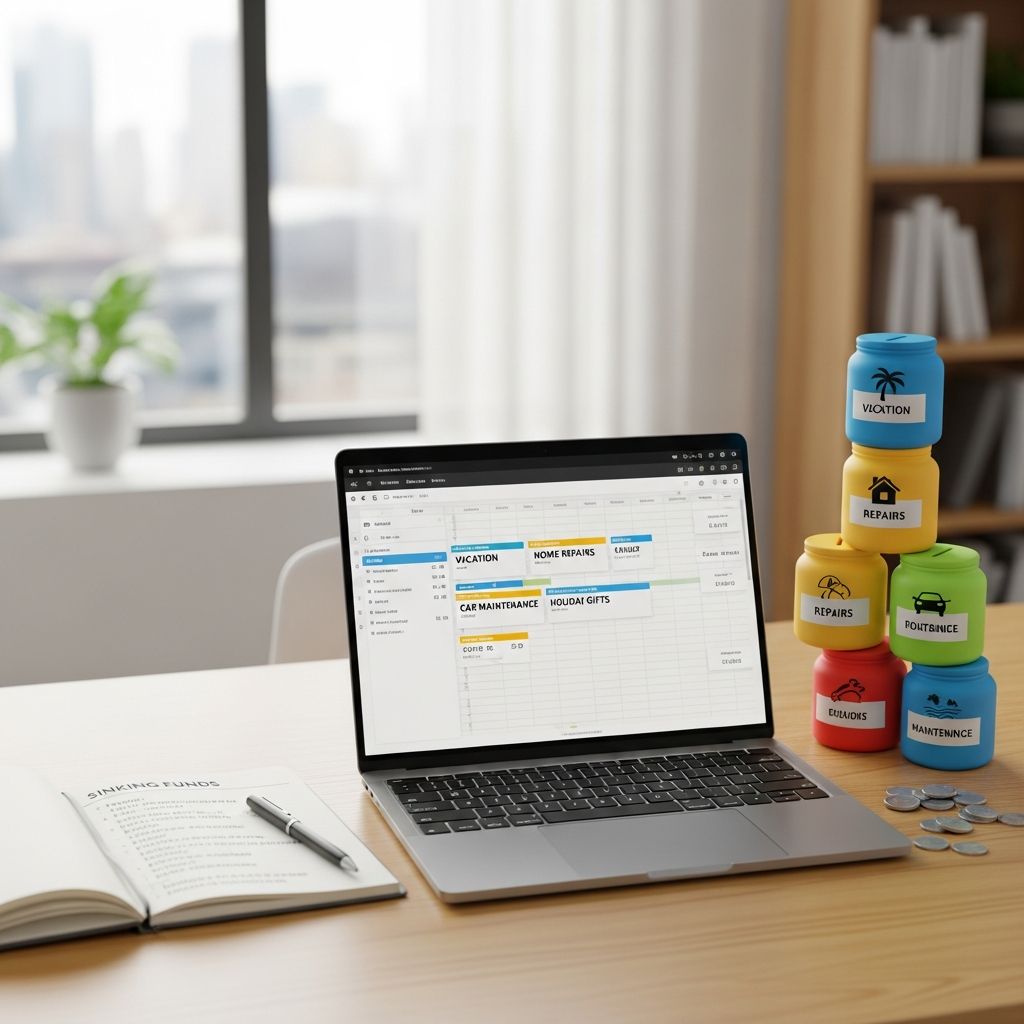
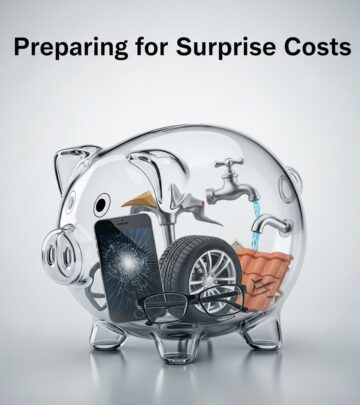
Sinking funds are a simple but powerful way to prepare for predictable expenses, reduce financial stress, and avoid using credit cards or loans when big bills arrive. Instead of being surprised by irregular costs, you save small amounts consistently in advance so you are ready when the expense comes due.
According to the U.S. Federal Reserve, many households struggle to cover even a modest unexpected bill, which shows how important it is to plan for upcoming costs instead of reacting to them at the last minute. Building sinking funds is one of the easiest ways to do this.
This guide explains what sinking funds are, how they differ from emergency funds, and 21 key sinking fund categories you can add to your budget.
What is a sinking fund?
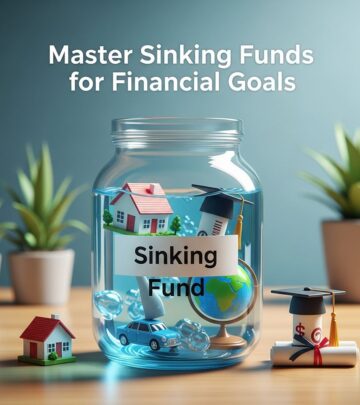
A sinking fund is money you set aside regularly for a specific, planned future expense. You know the expense is coming (or can reasonably expect it), and you give it its own savings bucket so you are ready to pay in full when the time comes.
Instead of scrambling to pay an annual bill or putting a big purchase on a credit card, you save smaller amounts over several months. This aligns with general guidance from financial educators who recommend planning for both regular and irregular expenses as part of a complete budget.
| Type of money | Main purpose | Examples |
|---|---|---|
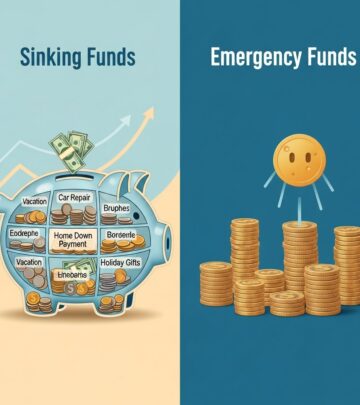
| Emergency fund | Unplanned, urgent expenses | Job loss, sudden medical emergency, urgent home repairs |
| Sinking fund | Planned or predictable expenses | Vacations, car repairs, annual insurance, holidays |
| General savings | Non-specific or flexible goals | Extra cushion, future opportunities, long-term goals |
How do sinking funds work?
The basic idea of a sinking fund is straightforward: estimate the cost of an upcoming expense, divide it by the number of months until you will pay it, and then save that amount each month.
For example, if you know your annual car insurance will be $1,200 in 12 months, you can save $100 per month into a dedicated car insurance sinking fund instead of scrambling to find $1,200 all at once.
Simple steps to set up a sinking fund
- Identify the expense you know is coming (or can reasonably expect).
- Calculate the total cost you want to save.
- Set a deadline or target date for when you will need the money.
- Divide the total by the months (or pay periods) until the deadline.
- Transfer that amount regularly into a separate account or labeled category.
Many people keep sinking funds in a high-yield savings account, which follows general guidance to keep short-term savings in safe, liquid accounts.
18–21 sinking fund categories to review
There are many ways to organize your sinking funds, and you can tailor them to your lifestyle. Below are 21 popular sinking fund categories, closely mirroring the types of expenses often highlighted by financial educators.
1. Car expenses and transportation
Vehicles are predictable money-drainers, even when nothing dramatic is wrong. Instead of being caught off guard, build a car and transportation sinking fund.
Common costs to include:
- Routine maintenance (oil changes, filters, tune-ups)
- Repairs and parts replacement (tires, brakes, batteries)
- Registration fees and inspection costs
- Parking permits or toll passes
- Rideshare or public transportation passes (bus, train, subway)
Transportation costs are one of the largest expense categories for most households, so planning ahead here can significantly stabilize your budget.
2. Medical and health expenses
Even with health insurance, out-of-pocket medical costs can add up. A medical sinking fund helps you cover deductibles, co-pays, and scheduled care without taking on debt.
Consider saving for:
- Doctor and specialist co-pays
- Prescriptions and recurring medications
- Dental cleanings and procedures
- Vision exams, glasses, or contacts
- Planned procedures not fully covered by insurance
Some employers offer tax-advantaged accounts such as Flexible Spending Accounts (FSAs) or Health Savings Accounts (HSAs), which can be used for qualified medical expenses and may be a good place to keep part of this sinking fund.
3. Housing and rent-related costs
Rent or mortgage itself is a monthly bill, but several housing costs are irregular. A housing sinking fund can make these spikes more manageable.
- Security deposit for a future move
- Moving costs (trucks, supplies, movers)
- HOA or condo fees that bill quarterly or annually
- Periodic professional cleaning or minor upgrades
4. Home maintenance and repairs
For homeowners, home maintenance is not optional. Many experts suggest budgeting 1–4% of your home’s value annually for maintenance, depending on age and condition.
Use a sinking fund for:
- Seasonal maintenance (gutter cleaning, HVAC servicing)
- Roof, plumbing, or electrical repairs
- Appliance servicing or replacement
- Landscaping or yard work tools and services
5. Childcare and kids’ expenses
Childcare can be one of the largest line items in a family budget. Reports have found that many families spend a substantial portion of income on childcare costs such as daycare, after-school care, or nannies. A sinking fund helps you stay ahead of these predictable but sometimes irregular expenses.
Include items like:
- Daycare, preschool, or after-school programs
- Babysitting for occasional events
- Registration fees for sports, clubs, and activities
- Annual or seasonal fees for camps
6. Education and school costs
Even in public school, costs can add up around the school year. A school sinking fund keeps these expenses from overwhelming a single month.
- Back-to-school supplies and fees
- Textbooks or technology for older students
- School uniforms or specific clothing requirements
- Field trips, extracurricular fees, or graduation expenses
7. Utilities and fluctuating bills
Utility bills often change with the seasons. Instead of guessing, you can average your annual usage and smooth it out via a utilities sinking fund.
- Electricity and gas
- Water and sewer
- Trash and recycling fees
- Internet and sometimes phone or cable
If you live in an area with harsh winters or hot summers, setting aside extra for seasonal spikes can keep your budget steady all year.
8. Insurance premiums
Many insurance policies offer a discount if you pay in full annually or semi-annually. A sinking fund lets you take advantage of those savings.
- Auto insurance
- Homeowners or renters insurance
- Life insurance premiums
- Disability or supplemental insurance
9. Debt payoff and large loan payments
If you are working on aggressive debt payoff, you can treat major extra payments like a goal-based expense and build a sinking fund for them.
- Lump-sum extra payments toward a loan
- Annual fees on certain loans or lines of credit
- Planned payoff of a high-interest balance
10. Holidays and gift-giving
Holidays can be very expensive once you add gifts, travel, decorations, and food. A dedicated holiday sinking fund spreads those costs across the year instead of concentrating them into one month.
Think about:
- Gifts for family and friends
- Special meals and entertainment
- Decorations or holiday clothing
- Travel costs to see loved ones
11. Clothing and personal items
Clothing rarely hits the same way every month. You may go several months without buying anything, then suddenly need several items at once. A clothing sinking fund keeps these purchases from derailing your budget.
- Everyday clothing and shoes
- Seasonal items like coats or boots
- Formal wear for weddings or events
- Workout gear or uniforms
For children, this fund is especially helpful because they outgrow items quickly.
12. Travel and vacations
Vacations are more enjoyable when they are fully paid for. A travel sinking fund allows you to plan trips without relying on credit cards.
- Transportation (airfare, train, gas)
- Accommodation
- Food and dining out
- Activities, excursions, and souvenirs
13. Birthdays and celebrations
Birthdays, anniversaries, graduations, and other milestones come around every year. A celebrations sinking fund covers:
- Gifts and cards
- Party supplies or venue rentals
- Special meals or experiences
14. Home furnishings and decor
Furniture and home decor can be expensive if you buy them all at once. Instead, plan ahead and let a sinking fund build over time.
- Furniture upgrades (couch, bed, dining table)
- New appliances or electronic devices
- Decor like rugs, curtains, and art
- Seasonal decor for holidays
When you have cash ready, you can also take advantage of sales and discounts.
15. Electronics and technology
Phones, laptops, and other devices eventually need to be replaced or repaired. Rather than treating this as an emergency, you can anticipate it.
- Phone upgrades or repairs
- Laptop or tablet replacement
- Home electronics such as TVs or routers
16. Professional fees and memberships
Many careers involve recurring professional costs that do not occur monthly. A sinking fund can handle these without disrupting your day-to-day spending.
- Annual professional association dues
- Licensing or certification renewals
- Continuing education or conference fees
17. Pet care
Pets come with recurring costs beyond food alone. A pet sinking fund helps you cover both routine and occasional pet expenses comfortably.
- Annual vet visits and vaccinations
- Medications or special food
- Grooming, training, and pet sitting
- Emergency vet visits that you can reasonably anticipate over time
18. Self-care and personal development
Self-care and personal growth are easier to prioritize when you plan for them financially. A dedicated sinking fund sends the message that these areas matter to you.
- Haircuts, salon visits, and personal grooming
- Gym or fitness class passes (if not monthly)
- Courses, books, or workshops
19. Weddings and big life events
Weddings, whether your own or those of friends and family, can be costly. A sinking fund can cover:
- Wedding expenses if you are planning your own
- Travel, outfits, and gifts for others’ weddings
- Other major life events such as baby showers or milestone parties
20. Future car replacement
Even with good maintenance, your current car will not last forever. Creating a “next car” sinking fund helps you pay more in cash and reduce the amount you need to finance.
- Down payment for your next vehicle
- Registration and tax costs when purchasing
21. Taxes and irregular obligations
If you are self-employed or receive income that is not taxed automatically, tax bills can be a major stressor. A taxes sinking fund helps you set aside a portion of each payment you receive.
- Income taxes for self-employed or freelance work
- Property taxes if not escrowed with your mortgage
- Estimated quarterly tax payments
What are sinking fund expense categories?
Sinking fund expense categories are simply groups of planned or predictable expenses that you choose to prepare for in advance. They are not emergencies, but they are important enough that you do not want to be surprised by them.
Common types of sinking fund expenses include:
- Annual or irregular recurring bills (insurance, taxes, memberships)
- One-time events (weddings, big birthdays, major trips)
- Replacements for things that wear out (cars, appliances, furniture)
- Seasonal costs (holidays, back-to-school, winter utilities)
The key is that you can reasonably expect these costs, even if you do not know the exact amount or date. That makes them perfect candidates for sinking funds.
How to choose your sinking fund categories
You do not need all 21 categories. Instead, start with the ones that fit your life and your current financial goals.
- List the big expenses that stressed you out in the last year.
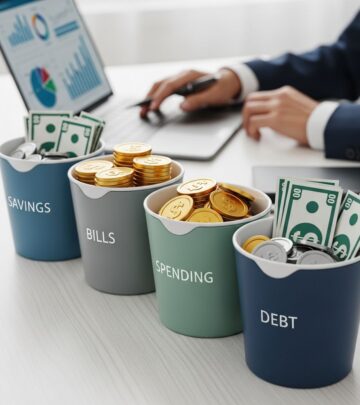
- Group them into categories (car, kids, holidays, home, etc.).
- Pick 3–6 core sinking funds to start with.
- Add additional categories later as your budget allows.
Remember that sinking funds are part of your broader budget, alongside basics like housing, food, transportation, debt payments, and emergency savings.
Sinking funds vs. emergency fund
Both sinking funds and emergency funds are crucial, but they serve different purposes:
- Emergency fund: Used for unplanned, urgent situations such as job loss, unexpected medical emergencies, or sudden major repairs.
- Sinking funds: Used for known or anticipated future expenses that you can plan for in advance.
Many experts recommend building at least a basic emergency fund first, then expanding into targeted sinking funds as your budget stabilizes.
Frequently Asked Questions (FAQs)
Q: How many sinking funds should I have?
A: There is no perfect number, but many people find that 3 to 6 well-chosen sinking fund categories are manageable. Too many separate funds can become confusing, so start with your biggest priorities and add more only when you can track them comfortably.
Q: Where should I keep my sinking funds?
A: Most people use a high-yield savings account and track individual categories with a spreadsheet or budgeting app. Keeping the money in a safe, interest-bearing account aligns with common advice to store short-term savings in liquid, low-risk places.
Q: How much should I contribute to each sinking fund?
A: First, estimate the cost and timing of the expense. Then divide the total by the number of months (or pay periods) you have left. The result is the amount to set aside each time. If the number is too high for your current budget, adjust the scope of the goal or extend the timeline.
Q: Can I use my emergency fund instead of sinking funds?
A: Your emergency fund is meant for true surprises, not for expenses you can predict. Relying on it for things like vacations, holidays, or routine car repairs may drain the fund and leave you vulnerable if a real emergency occurs. Sinking funds prevent this by separating planned costs from emergency savings.
Q: What if an expense is partly planned and partly unpredictable?
A: Some categories, such as medical or car repairs, have both predictable and unpredictable parts. You can plan for routine costs with sinking funds and rely on your emergency fund for truly unexpected, large expenses. Over time, your sinking fund may also soften the impact of smaller surprises in those categories.
References
- Economic Well-Being of U.S. Households in 2022 — Board of Governors of the Federal Reserve System. 2023-05-22. https://www.federalreserve.gov/publications/2023-economic-well-being-of-us-households-in-2022-dealing-with-unexpected-expenses.htm
- Getting Started with Budgeting — Consumer Financial Protection Bureau. 2023-03-01. https://www.consumerfinance.gov/consumer-tools/budgeting/
- Savings Accounts — U.S. Securities and Exchange Commission (Investor.gov). 2022-10-27. https://www.investor.gov/introduction-investing/investing-basics/how-invest/how-banks-work/savings-accounts
- Consumer Expenditures — 2022 — U.S. Bureau of Labor Statistics. 2023-09-07. https://www.bls.gov/news.release/cesan.nr0.htm
- Publication 969: Health Savings Accounts and Other Tax-Favored Health Plans — Internal Revenue Service. 2023-12-12. https://www.irs.gov/publications/p969
- Owning a Home: How Much Will It Really Cost? — U.S. Department of Housing and Urban Development. 2023-01-15. https://www.hud.gov/topics/buying_a_home
- High-Quality Child Care is Out of Reach for Working Families — Economic Policy Institute. 2016-10-06. https://www.epi.org/publication/child-care-affordability/
Similar Articles








Read full bio of medha deb