Organizing On A Budget: 21 Smart Ways To Tidy Your Home
Learn how to declutter, organize every room, and save money at the same time using low-cost, practical ideas.
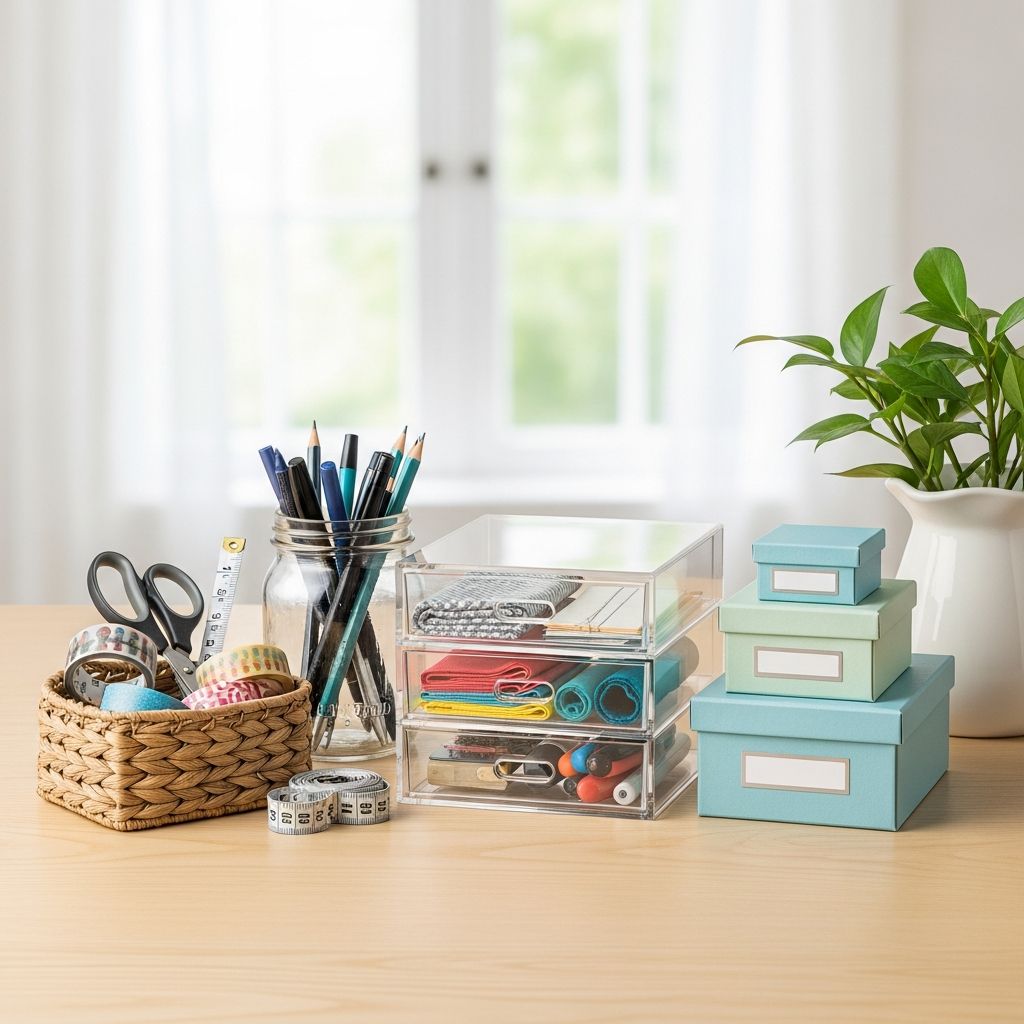
Organizing your home does not have to be expensive. With a bit of creativity, you can declutter, create calm, and set up smart systems using items you already own or can buy for very little money. Thoughtful organization can even save you money over time, because you lose fewer items, avoid duplicate purchases, and use what you already have more efficiently.
This guide walks through 21 budget-friendly organizing ideas plus practical strategies for every room. You will learn how to repurpose everyday objects, make your space work harder, and stay organized without overspending.
Why Organizing On A Budget Matters
Clutter is not just a visual problem. Research shows that disorganized environments are linked with higher stress and reduced productivity, while organized spaces support better focus and decision-making. Getting organized can also reduce waste: households frequently buy duplicates because they cannot find what they already own, and food waste is often tied to disorganized fridges and pantries.
By choosing low-cost, sustainable organizing solutions, you can:
- Save money by avoiding overbuying household items and groceries.
- Save time because you can quickly find what you need.
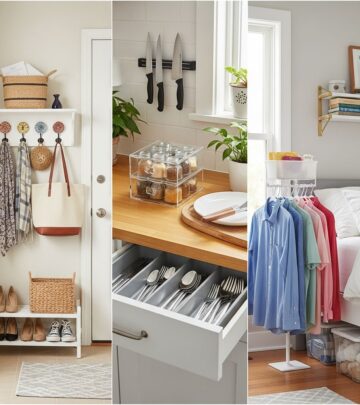
- Reduce stress by creating calm, orderly spaces.
- Cut waste by using what you have before it expires or breaks.
21 Budget-Friendly Organizing Ideas
The following ideas mirror the practical, room-by-room suggestions in the original article, reframed with extra detail and frugal twists.
1. Store Greeting Cards In A Tabbed File Folder
Instead of shoving cards into random drawers, use a simple tabbed file folder or accordion file.
- Label tabs by occasion: birthdays, holidays, thank you, sympathy, blank.
- Keep stamps, a pen, and your address book in the same folder.
- Buy cards in bulk during sales and store them by category.
This prevents last-minute, full-price card purchases and helps you send cards on time.
2. Use A Tissue Box To Store Old Plastic Bags
Skip the fancy bag dispenser. Reuse an empty tissue box as a compact storage container for plastic grocery bags.
- Feed bags in one by one and pull from the opening as needed.
- Keep one in the kitchen for trash liners and one in the car for messes.
- When the box wears out, recycle it and replace it with another empty box.
3. Get An Ottoman To Store Blankets
Choose furniture that doubles as storage. A storage ottoman is ideal for blankets, pillows, and seasonal throws.
- Use it as a coffee table with a tray on top.
- Store extra pillows, winter blankets, or guest bedding inside.
- Pick neutral colors so you can reuse it even if your decor changes.
Multi-purpose furniture helps you stay organized in small spaces without extra furniture costs.
4. Donate Items You No Longer Need
Clutter cannot be organized; it has to be reduced. Start by donating usable items you no longer want.
- Sort by category: clothes, kitchen tools, kids’ items, decor, etc.
- Donate to local charities, shelters, or community groups.
- Use the one-in, one-out rule to prevent clutter from creeping back.
Decluttering first means you need fewer containers and shelves, which keeps organizing costs low.
5. Reuse Jars For Small-Item Storage
Glass jars from pasta sauce, pickles, or nut butters make excellent free organizers.
- In the kitchen: store dry goods, spices, tea bags, or snack mixes.
- In the bathroom: hold cotton swabs, makeup sponges, or bath salts.
- In the garage or office: corral screws, nails, paperclips, or craft supplies.
Label jars with painter’s tape or printable labels so everyone knows where things belong.
6. Use Shoe Boxes As Drawer Dividers
Instead of buying drawer organizers, reuse sturdy shoe boxes and lids.
- Cut boxes to fit inside drawers as dividers.
- Use them to sort socks, underwear, office supplies, or beauty products.
- Cover with wrapping paper or contact paper if you want a polished look.
7. Create A Command Center Using A Clipboard Or Binder
Stay organized on a budget with a simple home command center.
- Use a clipboard, hanging file, or cheap binder instead of a custom system.
- Include calendars, to-do lists, schedules, and key contacts.
- Keep it in a central spot so everyone can see upcoming events and bills.
Staying on top of bills and deadlines helps you avoid late fees and financial stress.
8. Store Seasonal Decor In Clear, Labeled Bins
You do not need fancy decor organizers. Use clear plastic bins so you can see what is inside.
- Label by holiday or season: winter, spring, summer, fall, holidays.
- Store like items together: lights, ornaments, linens, table decor.
- Keep related items in fewer, larger bins to reduce container costs.
9. Repurpose Hanging Shoe Organizers
A simple over-the-door shoe organizer can be used throughout your home.
- In bathrooms: store hair products, lotions, and small tools.
- In kids’ rooms: organize small toys, art supplies, or accessories.
- In the pantry: hold snacks, seasoning packets, or cleaning rags.
10. Use Baskets To Contain Visual Clutter
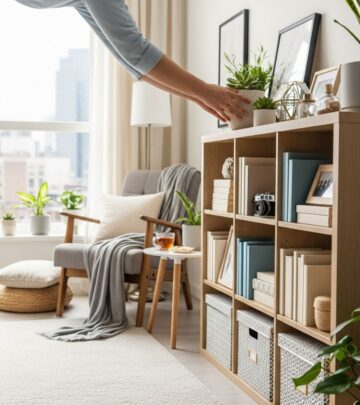
Inexpensive baskets or fabric bins instantly make open shelves look orderly.
- Group like items: cables, remote controls, kids’ toys, pet supplies.
- Buy a few matching baskets to create a cohesive look.
- Check thrift stores for cheap, good-quality baskets.
11. Label Everything (Cheaply)
Labels turn random containers into a clear organizing system.
- Use masking or painter’s tape and a marker for an ultra-frugal option.
- Label shelves, bins, jars, and drawers.
- Use simple categories so family members can put items back correctly.
12. Use A Laundry Basket For Daily Pickups
Instead of buying specialty catch-all bins, use a laundry basket for quick daily resets.
- Walk through your home once a day, collecting out-of-place items.
- Return items to their proper rooms after the basket is full.
- Involve kids by assigning them basket duty for their own belongings.
13. Assign A Home For Mail And Paperwork
Piles of mail create visual clutter and can lead to missed payments. Set up one dedicated spot for all incoming paper.
- Use a simple tray, magazine file, or wall folder.
- Sort weekly into: to pay, to file, to shred, to respond.
- Opt into paperless billing where possible to reduce incoming paper.
14. Turn A Box Into A Car Organizer
Instead of buying a car trunk organizer, use a sturdy cardboard box or repurposed tote.
- Store jumper cables, reusable bags, a blanket, and basic tools.
- Include a small trash bag or container to keep clutter under control.
- Review the box every few months and remove anything you do not use.
15. Track Food In The Fridge And Pantry
A disorganized fridge and pantry can lead to food waste and overspending. Inventory systems help reduce waste, which is a major household expense.
- Keep older food in the front and newer items in the back.
- Use a simple list on the fridge to track what needs to be eaten soon.
- Group foods by type: dairy, leftovers, condiments, snacks, breakfast items.
16. Use Tension Rods For Vertical Storage
Tension rods are inexpensive and flexible.
- Under the sink: hang spray bottles from a tension rod.
- In cabinets: create vertical slots for cutting boards or trays.
- In closets: add extra hanging space for scarves or accessories.
17. Create A Donation Box You Keep Out
Make decluttering an ongoing habit by keeping a permanent donation box in a closet or laundry room.
- Add items you no longer want as soon as you notice them.
- When the box is full, schedule a drop-off or pickup.
- Teach kids to contribute outgrown clothes and toys.
18. Use Free Apps Or Spreadsheets To Track Purchases
Staying organized financially is just as important. Free budgeting apps or a spreadsheet can help you track spending and avoid buying items you already own.
- List household categories like groceries, home goods, and cleaning supplies.
- Review spending monthly and adjust your buying habits.
- Set small goals, like one no-spend week each month for non-essentials.
19. Schedule Regular Declutter Sessions
Organization is not a one-time event. Schedule recurring decluttering sessions to keep your systems effective.
- Weekly: 10-minute tidy of hotspots like counters and coffee tables.
- Monthly: one drawer, cabinet, or shelf in each major room.
- Seasonally: clothes, kids’ items, and decor.
20. Shop Your Home Before Buying Organizers
Before you buy anything new, shop your home for containers and tools you already own.
- Look for unused baskets, boxes, jars, and trays.
- Repurpose items across rooms: a serving tray can become a desk organizer.
- Only buy specific containers after you have measured and decluttered.
21. Start Small And Build Momentum
Trying to reorganize your entire home at once can be overwhelming. Start small to build confidence and momentum.
- Pick a tiny area: one drawer, one shelf, or one countertop.
- Use a timer for 15–20 minutes and stop when it rings.
- Celebrate visible progress, then move to the next small area.
Room-By-Room Budget Organizing Ideas
Once you know the core principles, it is easier to apply them to specific rooms.
| Room | Low-Cost Organizing Ideas |
|---|---|
| Kitchen | Use jars for dry goods, file folders for recipes, baskets for snacks, tension rods under the sink. |
| Living Room | Storage ottoman for blankets, baskets for remotes and magazines, daily laundry-basket pickup. |
| Bedroom & Closet | Shoe boxes for drawer dividers, donation box for clothes, over-the-door organizers. |
| Bathroom | Jars for cotton items, baskets under the sink, over-the-door shoe organizer for toiletries. |
| Office/Paper | Simple command center, mail tray, labeled folders, free digital tools for bills and reminders. |
How To Organize Without Blowing Your Budget
Organizing can become expensive if you are not intentional. A few simple rules help you stay on track.
Set A Clear Spending Limit
Treat organizing like any other budgeting category. Decide how much you can realistically spend this month without impacting essentials or savings.
- Allocate a small, fixed amount (for example, $10–$30) for supplies.
- Prioritize functional items over decorative ones.
- Spread purchases over several months instead of buying everything at once.
Prioritize Function Over Aesthetic
Matching containers look nice, but function matters more.
- Ask: does this container make it easier to find and put away items?
- Choose sturdy, easy-to-clean materials.
- Upgrade to more aesthetic items only after the system has proven useful.
Use Free Community Resources
- Check local buy-nothing groups and community boards for free shelves, bins, and furniture.
- Libraries often host workshops on decluttering, minimalism, or personal finance.
- Some communities offer free or low-cost bulk waste pickups when you declutter large items.
Frequently Asked Questions (FAQs)
Q: How do I start organizing when I feel overwhelmed?
Begin with one tiny space and a short time limit, such as 15 minutes organizing a single drawer. Focus on removing obvious trash and items you no longer use, then assign homes only for what remains. Small wins build momentum and confidence.
Q: What if I cannot afford storage containers right now?
Use what you already have: shoe boxes, jars, tins, leftover gift boxes, and baskets. Group similar items together and label them with tape and a marker. Over time, you can replace free containers with more durable or decorative options as your budget allows.
Q: How can organizing actually save me money?
Organization reduces duplicate purchases, food waste, and late fees by making it easier to see what you have, use leftovers, and locate bills or documents on time. It also helps you plan shopping trips intentionally instead of buying on impulse.
Q: How do I get my family on board with staying organized?
Keep systems simple: clear labels, easy-to-reach bins, and obvious homes for everyday items. Involve family members in setting up the systems so they have a say. Assign small, age-appropriate tasks, like kids returning toys to a specific basket each night.
Q: How often should I declutter if I want to stay organized long term?
Aim for quick weekly resets and deeper seasonal reviews. For example, spend 10–15 minutes weekly on hotspots, and once every three months edit clothes, kids’ items, and decor. Regular, small sessions are more sustainable than big, occasional overhauls.
References
- Clutter, Chaos, and Overconsumption: The Role of Mindfulness in the Consumer Clutter Problem — Joseph Ferrari & Catherine Roster, Current Psychology. 2018-03-01. https://doi.org/10.1007/s12144-017-9641-5
- Financial Capability in the United States 2022 — FINRA Investor Education Foundation. 2022-11-03. https://finrafoundation.org/knowledge-we-gain/shared-insights/financial-capability-us-2022
- Food Waste Index Report 2024 — United Nations Environment Programme (UNEP). 2024-03-27. https://www.unep.org/resources/report/unep-food-waste-index-report-2024
- How to Make a Budget — Consumer Financial Protection Bureau (CFPB). 2024-01-04. https://www.consumerfinance.gov/consumer-tools/budgeting/
Similar Articles








Read full bio of Sneha Tete