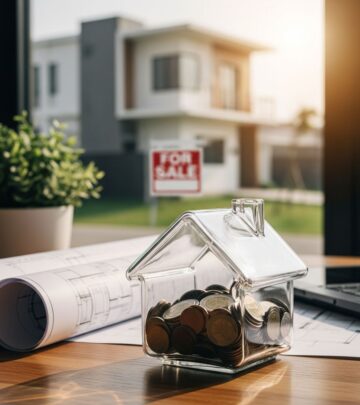
Smart Savings for First-Time Home Buyers
Unlock proven strategies to cut costs and maximize value when purchasing your first home in today's market.

Buying your first home presents opportunities to build long-term wealth, but it also involves significant upfront and ongoing costs. By implementing targeted strategies early, buyers can substantially lower expenses associated with securing financing, negotiating purchases, and maintaining the property. This guide outlines actionable steps drawn from established financial practices to help you retain more of your hard-earned money throughout the process.
Assess Your Financial Foundation
Before exploring listings, evaluate your current financial position to identify savings potential. Review your credit report for inaccuracies that could inflate interest rates. A higher credit score often unlocks lower mortgage rates, potentially saving thousands over the loan term. Many advisors recommend maintaining total housing costs below 30% of gross monthly income for sustainability.
- Obtain free credit reports from official bureaus and dispute errors promptly.
- Reduce outstanding debts to improve your debt-to-income ratio, a key lender metric.
- Build an emergency fund covering 3-6 months of expenses to avoid high-interest borrowing later.
Understanding these elements positions you to qualify for favorable loan terms without unnecessary expenditures.
Leverage Government and Lender Assistance Programs
Numerous programs target first-time buyers, offering grants, forgivable loans, or discounted rates to offset initial costs. For instance, Fannie Mae’s HomePath Ready Buyer program provides up to 3% of the purchase price for closing costs upon completing an education course, enhancing buyer preparedness.
HUD’s Good Neighbor Next Door initiative grants up to 50% discounts on properties in revitalization zones for eligible public servants like teachers and firefighters, requiring a 36-month residency commitment.
| Program | Eligibility | Benefit |
|---|---|---|
| HomePath Ready Buyer | First-time buyers completing education | Up to 3% closing cost assistance |
| Good Neighbor Next Door | Teachers, firefighters, etc. | Up to 50% price discount |
| FHA Loans | Low down payment eligible | 3.5% minimum down |
| DreaMaker Loan | Flexible credit | 3% down payment |
Research local options through state housing authorities, as many provide down payment assistance tailored to regional needs. Applying early ensures you claim these funds before committing to a property.
Secure Pre-Approval and Shop Lenders Strategically
Obtain mortgage pre-approval to clarify your budget and strengthen offers. This step reveals your borrowing power and prevents overextending. Federal regulations mandate lenders provide a standardized Loan Estimate within three business days, detailing rates, payments, and fees for easy comparison.
Contact at least three lenders to compare offers. Differences in origination fees, interest rates, and points can yield substantial savings. Negotiate fees like processing or underwriting charges, particularly with competing quotes in hand.
- Compare APRs, which include fees, for a true cost picture.
- Opt for lenders offering first-time buyer grants, such as up to $5,000 toward closing in qualifying areas.
- Avoid rushing with your agent’s referral; independent shopping often uncovers better deals.
Assemble a Strong Real Estate Team
Select professionals who prioritize your interests to minimize costly mistakes. Seek buyer agents via referrals from recent purchasers, verifying their track record through reviews and sales history. Interview multiple candidates, inquiring about their negotiation success and local market knowledge.
For inspections, hire independent experts to uncover issues negotiable with sellers, potentially saving on repairs. Shop quotes for insurance and title services where permitted, as lender panels may charge premiums.
Define Priorities and Hunt Efficiently
Craft a prioritized wishlist focusing on essentials like location, size, and layout over aesthetics. Location impacts resale value and commute; evaluate school districts, flood risks, and noise levels.
Visit multiple properties to calibrate expectations. Use pre-approval to filter listings realistically, avoiding emotional bids on unaffordable homes. Drive neighborhoods at different times to assess true livability.
Master Offer and Negotiation Tactics
Include protective contingencies for inspection, appraisal, and financing in offers. If inspections reveal defects, request credits or repairs to sidestep post-closing expenses.
Negotiate beyond price: seek seller concessions for closing costs, repairs, or appliances. In balanced markets, flexible terms like rent-back periods can add value without extra outlay.
Anticipate Full Ownership Expenses
Beyond principal and interest, factor in taxes, insurance, HOA fees, and maintenance, often adding $400-$800 monthly. Use calculators to project total costs accurately.
Budget 1-2% of home value annually for upkeep. Establish relationships with licensed, insured contractors via neighbor recommendations and small initial jobs.
Preserve Documentation and Plan Maintenance
Organize a binder with mortgage docs, warranties, shutoff locations, and HOA info. Share access with trusted contacts for emergencies.
Schedule regular maintenance to prevent minor issues escalating, preserving property value and avoiding emergency premiums.
Frequently Asked Questions
What down payment is required for first-time buyers?
Options start at 3% with programs like FHA or DreaMaker loans, supplemented by assistance grants.
How much can I save by shopping lenders?
Comparing three quotes often reduces rates or fees, saving thousands over 30 years.
Is homebuyer education mandatory?
Not always, but it unlocks assistance and equips you for informed decisions.
Should I buy a fixer-upper to save?
Only if budgeting covers renovations; inspections prevent hidden cost overruns.
How do I improve my chances in competitive markets?
Pre-approval, clean offers, and escalation clauses, guided by an experienced agent.
References
- 17 First-Time Home Buyer Tips for 2026 — AmeriSave Mortgage. 2026. https://www.amerisave.com/learn/first-time-home-buyer-tips-for-your-complete-guide-to-homeownership
- Buying a Home in 2026? Here’s What to Do First — North Carolina Housing Finance Agency (NCHFA). 2026. https://www.nchfa.com/news/home-matters-blog/buying-home-2026-here’s-what-do-first
- First-Time Homebuyer Guide — Bankrate. 2026. https://www.bankrate.com/mortgages/first-time-homebuyer-guide/
- Ohio First-Time Homebuyer Guide 2026 — New American Funding. 2026. https://www.newamericanfunding.com/learning-center/guides/ohio-first-time-homebuyer-guide/
- First-Time Homebuyer Guide — Huntington Bank. 2026. https://www.huntington.com/Personal/Lending-comparison/first-time-homebuyer-lending
Similar Articles








Read full bio of Sneha Tete