Smart Saving Strategies by Your Goals
Discover tailored saving approaches for every financial milestone, from building emergency funds to planning retirement.
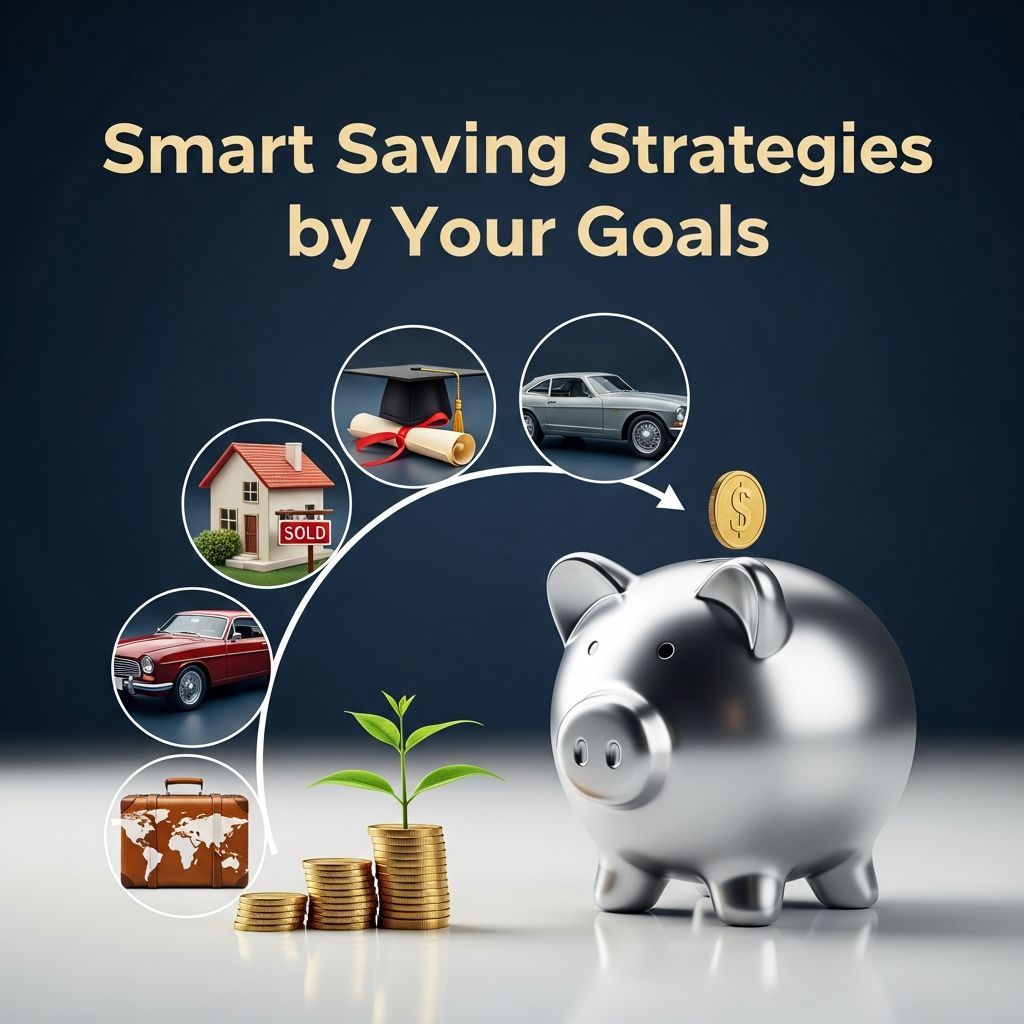
Aligning your saving habits with specific financial objectives can transform how you manage money. Whether aiming to cover unexpected expenses, eliminate debts, or prepare for retirement, the right approach ensures steady progress. This article explores customized saving plans for common goals, drawing on proven methods to maximize impact.
Establishing a Solid Emergency Reserve
The foundation of any financial plan starts with an
emergency fund
. This reserve protects against sudden costs like medical bills or vehicle repairs, preventing reliance on high-interest credit. Financial experts recommend accumulating 3 to 6 months of living expenses in a liquid, accessible account.Begin by assessing monthly essentials: housing, food, transportation, and utilities. For a household spending $4,000 monthly, target $12,000 to $24,000. Start small—aim for $1,000 initially, then build incrementally. Use high-yield savings accounts where funds earn interest without risk.
- Automate transfers from checking to savings post-payday to build habitually.
- Separate this fund from other savings to avoid misuse.
- Replenish after use to maintain the buffer.
For freelancers or variable-income earners, extend to 6-12 months due to income unpredictability. Local factors, like seasonal costs in colder regions, may require adjustments, such as extra for heating.
Accelerating Debt Elimination
High-interest debts, especially credit cards, erode saving potential. Prioritizing payoff frees cash for other goals. The average credit card rate exceeds 20%, making swift action essential.
Employ the debt avalanche method: target highest-interest balances first while making minimums on others. Alternatively, debt snowball focuses on smallest balances for motivational wins. Combine with budgeting to redirect payments.
| Method | Focus | Best For |
|---|---|---|
| Avalanche | Highest interest | Cost savings |
| Snowball | Smallest balance | Motivation |
Reduce new debt by reviewing spending: cut subscriptions and impulse buys. Consolidate if rates allow, but verify terms carefully.
Preparing for Major Purchases
Saving for big-ticket items like homes or vehicles demands disciplined, goal-specific plans. Use the S.M.A.R.T. framework: Specific, Measurable, Achievable, Relevant, Time-bound.
For a home down payment, aim for 20% to avoid PMI. If targeting $60,000 in 5 years, save $1,000 monthly. Separate accounts prevent commingling with emergencies.
- Compare down payment minimums: FHA loans allow 3.5% for qualified buyers.
- Leverage first-time buyer programs from HUD.gov.
- Track progress quarterly to stay on course.
Vehicle savings follow suit: calculate total cost including insurance and maintenance. Public transit or carpooling in interim cuts gas expenses.
Funding Family Vacations and Experiences
Travel goals thrive on pre-planning to sidestep credit use. Set a per-trip budget covering flights, lodging, and activities. Divide annual target into monthly contributions.
Ideas to stretch dollars:
- Opt for off-peak travel for lower rates.
- Use rewards cards judiciously, paying balances fully.
- Host potlucks or free local events for no-spend weekends.
For family trips, involve all in planning to align expectations and reduce overspending.
Investing in Children’s Education
College costs rise annually; 529 plans offer tax-advantaged growth. Contribute post-emergency fund establishment. State plans vary—compare fees and benefits at savingforcollege.com (official resource).
Start early: $200 monthly at 6% return grows substantially over 18 years. Grandparents can contribute too, up to annual gift limits.
- Federal financial aid includes grants not requiring repayment.
- Scholarships via Fastweb or local organizations supplement savings.
Building Retirement Security
Retirement saving compounds over decades. Fidelity advises 15% of pre-tax income, including matches. Max 401(k) contributions hit $23,500 in 2026 for under-50s.
Diversify: Roth IRAs for tax-free withdrawals suit younger savers; traditional for immediate tax breaks.
| Account Type | Tax Benefit | Ideal For |
|---|---|---|
| 401(k) | Pre-tax contributions | Employer match |
| Roth IRA | Tax-free growth | Early career |
| SEP IRA | High limits for self-employed | Side hustles |
Side income from gigs boosts contributions; save 3-6 months expenses first.
Daily Habits to Boost All Goals
Universal tactics amplify saving across objectives.
- Automate everything: Transfers to savings, bill pay, investments.
- Track spending: Apps reveal leaks like unused subs.
- Cut variables: Home cooking, energy efficiency, thrift shopping.
- Impulse control: 24-hour rule for non-essentials.
- Review quarterly: Adjust for life changes.
Games like cook-at-home bingo reduce waste funly.
Frequently Asked Questions
What if I can’t save 15% for retirement?
Start with 5-10%, increasing annually. Capture employer matches first—free money.
How do I prioritize multiple goals?
Emergency fund first, then debt, short-term, long-term. Use multiple accounts.
Are high-yield savings safe?
FDIC-insured up to $250,000 per depositor. Verify bank status at fdic.gov.
Should I invest savings for short goals?
No—use low-risk options. Stocks suit 5+ year horizons.
How much for emergencies if self-employed?
6-12 months due to income variability.
References
- How to Budget Your Money in 2026 — Newrez. 2026. https://www.newrez.com/blog/self-help-articles/how-to-budget-your-money-in-2026/
- 10 Ways to Maximize Your Savings in 2026 — SouthStar Bank. 2026. https://southstarbank.com/10-ways-to-maximize-your-savings-in-2026/
- Tips for Saving Money in 2026 — Northwoods Credit Union. 2026. https://www.northwoodscu.org/tips-for-saving-money-in-2026/
- 4 Money Trends to Watch in 2026 — Fidelity Investments. 2026. https://www.fidelity.com/learning-center/personal-finance/2026-money-trends
Similar Articles








Read full bio of medha deb