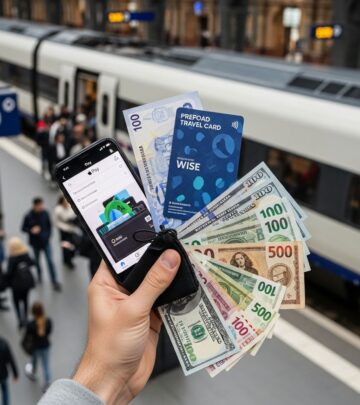
Smart Payment Strategies for Overseas Trips
Master cost-effective and secure ways to handle payments abroad, minimizing fees and risks on every journey.
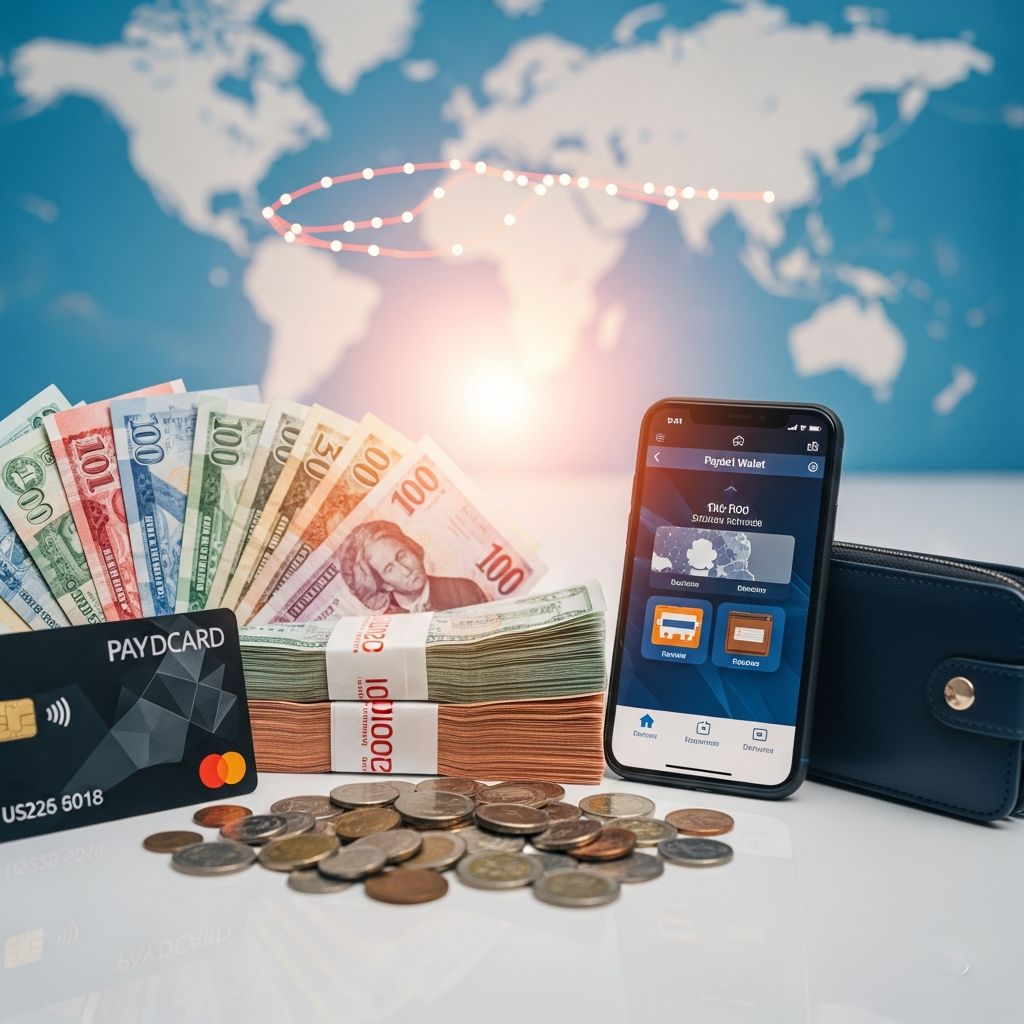
Traveling internationally opens doors to new experiences, but managing finances across borders requires careful planning to avoid unexpected costs and security pitfalls. This guide explores effective methods for handling payments abroad, drawing from proven practices to help you spend wisely and stay protected.
Pre-Trip Financial Preparation Essentials
Before departing, lay a solid foundation for your trip’s finances. Start by reviewing your banking and card options to identify those best suited for global use. Contact your bank or card issuer at least two weeks in advance to notify them of your travel plans, preventing transaction blocks due to suspected fraud.
Assess foreign transaction fees, which can add 1-3% to purchases, and ATM withdrawal charges that vary by provider. Opt for accounts with no-fee international services where possible. Build a realistic budget covering daily expenses like meals, transport, and attractions, allocating $50-100 USD equivalent per day for flexibility.
- Compile currencies needed for multi-destination trips by ordering from your bank early.
- Verify daily withdrawal limits and PIN compatibility with overseas ATMs.
- Pay pending bills to avoid overdrafts during your absence.
Optimal Card Choices for Global Spending
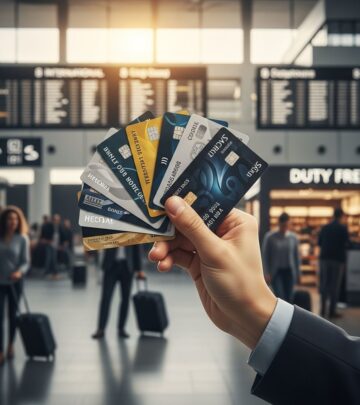
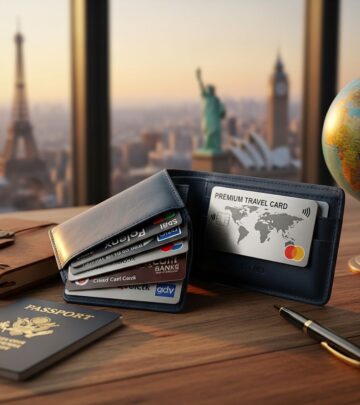
Credit and debit cards form the backbone of modern travel payments, offering convenience and protections. Prioritize cards on networks like Visa or Mastercard for widespread acceptance. A primary credit card provides purchase protection and rewards, while a backup debit card ensures access if issues arise.
Steer clear of cash advances on credit cards due to high fees and interest. Instead, use debit cards for ATM withdrawals, making fewer, larger amounts to minimize per-transaction costs. Digital wallets may falter abroad due to varying tech standards, so carry physical cards as primary backups.
| Card Type | Pros | Cons | Best For |
|---|---|---|---|
| Credit Card | Fraud protection, rewards, no PIN needed | Foreign fees if not waived | Hotels, large purchases |
| Debit Card | Direct ATM access, local currency | Potential holds on funds | Cash withdrawals |
| Prepaid Travel Card | Fee controls, load limits | Reload fees possible | Budgeting daily spends |
Cash Management: Balance and Security
While cards dominate, cash remains vital for small vendors, tips, and remote areas. Carry a modest amount of local currency—equivalent to one day’s needs—exchanged before arrival or via bank ATMs. U.S. dollars serve as a universal backup in many spots.
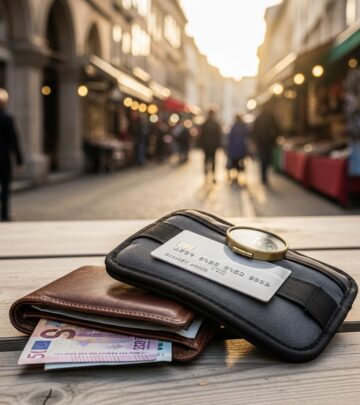
Distribute cash across secure locations: some in a money belt, extras in your hotel safe. Never keep all funds in one wallet. For multi-country itineraries, acquire currencies simultaneously to lock in rates. Avoid street exchanges, which pose scam risks.
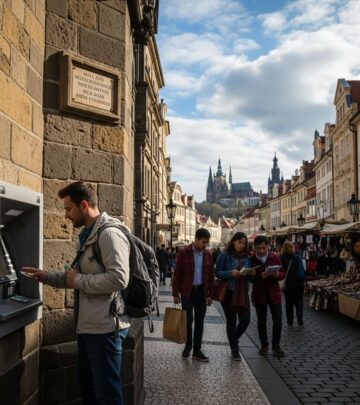
Strategic ATM use beats kiosks: select bank-affiliated machines for better rates and security. Withdraw discreetly during daylight, checking notes for counterfeits.
Navigating Fees and Exchange Pitfalls
Hidden charges erode budgets quickly. Decline dynamic currency conversion at merchants—always pay in local currency for optimal rates. Airport and hotel exchanges impose steep markups; source funds elsewhere.
Seek travel-optimized accounts like those with transparent rates and instant notifications. Apps categorize spending, aiding oversight. Larger, infrequent withdrawals cut fixed fees. Research destination norms: card-heavy Europe contrasts cash-reliant Asia or Latin America.
Enhancing Security During Your Journey
Protection starts with diversification: separate cards and cash across bags and pockets. Enable transaction alerts for real-time monitoring. Store passport copies digitally or physically apart from originals.
Leave spares in your accommodation safe. Monitor accounts daily via apps. In cash economies, negotiate fares and dine locally to stretch funds. Use ride-sharing for transparent pricing.
- Download offline maps to sidestep roaming data costs.
- Opt for eSIMs for affordable connectivity.
- Verify bills and count change meticulously.
Digital Tools and Modern Solutions
Leverage apps for seamless management. Banking platforms with global ATMs and low fees simplify access. Peer-to-peer transfers work for emergencies, but confirm recipient compatibility.
Mobile payments gain traction, yet verify acceptance. Backup with traditional methods. Pre-trip, test cards abroad via small transactions.
Destination-Specific Financial Insights
Tailor strategies to locales. In Europe, cards suffice for most, but carry euros for markets. Asia demands cash for street food and transport; use ATMs judiciously.
Closed-currency nations require pre-exit exchanges. Tourist zones inflate fees—venture to local banks. Guidebooks offer updated payment intel, proving cost-effective.
Frequently Asked Questions
What if my card gets declined abroad?
Have backups ready and contact your issuer immediately via app or international support. Notify banks pre-trip to whitelist destinations.
Is it safe to use ATMs overseas?
Yes, at bank branches during business hours. Cover the keypad, avoid skimmers, and use your bank’s network.
How much cash should I carry?
$50-100 daily equivalent, spread out. Adjust for shopping or cash-heavy areas.
Should I use credit cards for everything?
No—reserve for protected purchases; cash or debit for small ones to dodge fees.
What about prepaid cards?
Ideal for fee limits and lost-card security, but check reload options.
Post-Trip Financial Review
Upon return, reconcile statements for surprise fees. Dispute errors promptly. Refine future plans based on lessons, like switching fee-free cards.
References
- Tips for Managing Money While Traveling Abroad — Wells Fargo. 2024. https://www.wellsfargo.com/foreign-exchange/international-tips/
- How to Protect Your Money While Traveling Overseas — TD Bank. 2024. https://www.td.com/us/en/personal-banking/learning/how-to-protect-your-money-while-traveling
- Thrifty 50 Travel Tips — Rick Steves. 2024. https://www.ricksteves.com/travel-tips/money/thrifty-50-tips
- Travel Checklist: Financial Tips for International Trips — Academy Bank. 2024. https://www.academybank.com/article/travel-checklist-financial-tips-for-international-trips
- Travel Abroad Money Tips — University of Nebraska-Lincoln Global Experiences. 2024. https://global.unl.edu/global-experiences/travel-abroad-money-tips/
Similar Articles








Read full bio of medha deb