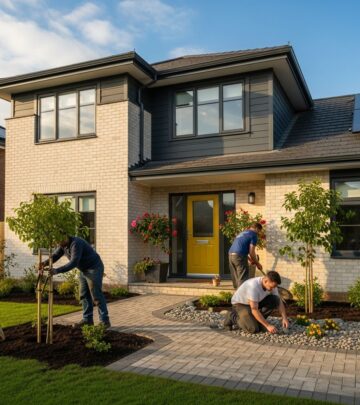
Smart Homes For New Buyers: Essential 2026 Guide
Discover how integrating smart technology into your first home purchase enhances security, efficiency, and value in today's market.
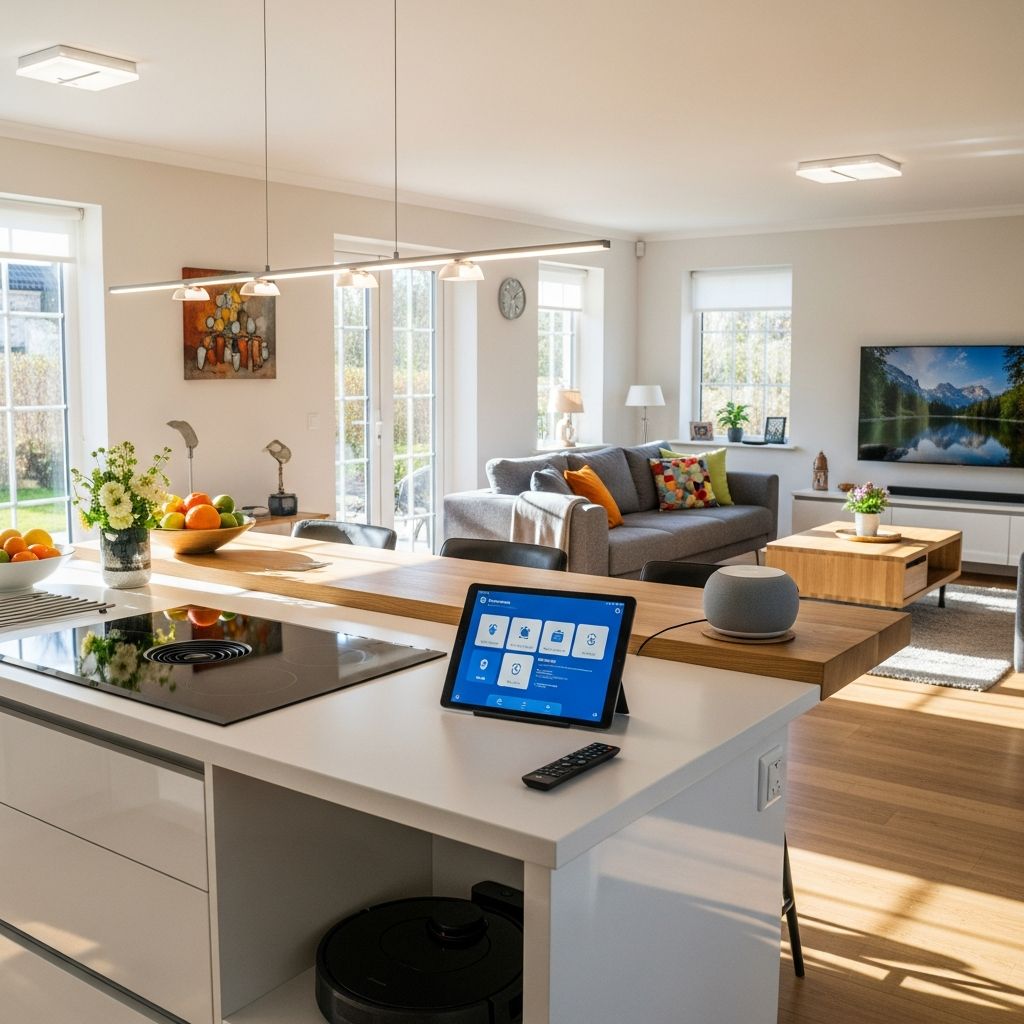
Integrating smart technology into your first home transforms everyday living by offering enhanced control, security, and efficiency. For first-time buyers in 2026, selecting properties with smart features or planning upgrades can significantly elevate lifestyle and resale potential.
Why Smart Technology Matters in Modern Homeownership
Smart homes leverage interconnected devices to automate routines, monitor environments, and optimize resource use. This appeals to new buyers facing competitive markets, where tech-savvy properties stand out amid rising prices and limited inventory. Key advantages include remote access via apps, real-time alerts, and data-driven insights that reduce costs over time.
Energy management stands out as a primary benefit. Devices like programmable thermostats adjust temperatures based on occupancy, potentially cutting utility bills by 10-20% annually. Security enhancements deter intruders with intelligent cameras and locks, providing peace of mind for remote workers or families. Additionally, voice-activated systems streamline tasks, making homes more accessible for all ages.
Essential Smart Devices to Prioritize
When evaluating homes or budgeting for upgrades, focus on foundational devices that deliver immediate value. These form the backbone of a reliable smart ecosystem.
- Smart Thermostats: Learn user patterns to maintain ideal temperatures, integrating with HVAC systems for optimal performance.
- Video Doorbells: Offer live feeds and motion detection, alerting owners to visitors or packages via smartphone.
- Smart Locks: Enable keyless entry through codes, apps, or biometrics, ideal for sharing access without physical keys.
- Security Cameras: Provide 24/7 surveillance with night vision and cloud storage for footage review.
- Smart Lighting: Automate schedules and respond to motion or voice commands, enhancing ambiance and security.
These selections align with buyer priorities like cost savings and safety, especially in a market with 3.8 million unit shortages driving competition.
Building Compatibility and Seamless Networks
A cohesive smart home requires devices from compatible ecosystems like Google Home, Amazon Alexa, or Apple HomeKit. Check for Zigbee or Z-Wave protocols to ensure interoperability without constant reconfiguration.
Start with a central hub that acts as the command center, connecting disparate gadgets. Wi-Fi strength is crucial; mesh networks extend coverage in larger homes, preventing dead zones. For new buyers, inquire about existing wiring during inspections to avoid retrofit expenses.
| Device Type | Compatible Platforms | Key Benefit |
|---|---|---|
| Thermostat | Alexa, Google, HomeKit | Energy savings |
| Doorbell Camera | Alexa, Google | Package monitoring |
| Smart Lock | All major | Remote access |
| Lighting | Alexa, Google, HomeKit | Automation |
This table highlights cross-platform options, aiding decisions during home searches.
Boosting Security with Intelligent Systems
Security remains a top concern for 66% of homebuyers. Smart systems integrate cameras, sensors, and alarms into a unified platform, sending instant notifications for breaches.
Advanced features like facial recognition distinguish family from strangers, while geofencing arms systems upon departure. Pair with professional monitoring for rapid emergency response. In 2026, with evolving mortgage rules, these upgrades can justify higher offers by demonstrating lower risk.
Energy Efficiency and Cost Reduction Strategies
Amid fluctuating rates over 6%, smart tech counters expenses through precise control. Leak detectors prevent water damage, smart plugs monitor appliance usage, and shades automate for natural light optimization.
Buyers should calculate long-term ROI: a $250 thermostat might save $150 yearly on heating. Government incentives for energy-efficient homes further sweeten investments, aligning with first-time buyer programs offering low down payments.
Voice Control and Daily Conveniences
Voice assistants like Alexa or Google Assistant centralize commands, from adjusting lights to querying weather-integrated thermostats. Multi-room audio and recipe-guided kitchen displays add luxury without complexity.
For families, these reduce daily friction, supporting busy schedules in commute-focused neighborhoods.
Health and Wellness Through Smart Monitoring
Emerging devices track air quality, humidity, and sleep patterns via integrated sensors. Smart mattresses adjust firmness, while purifiers activate on poor readings, promoting healthier living spaces.
This appeals to wellness-oriented buyers, enhancing property desirability in school-rich districts.
Planning for Future-Proof Upgrades
Anticipate scalability: opt for expandable systems supporting 5G or Matter standards for broader compatibility. During preapprovals, factor in upgrade budgets alongside closing costs of 2-5%.
Agents specializing in tech-forward homes guide selections, ensuring must-haves like bedroom count pair with smart infrastructure.
Overcoming Common Smart Home Challenges
Privacy concerns arise with data collection; choose devices with strong encryption and local processing. Initial setup demands reliable internet, and interoperability issues can frustrate novices.
Mitigate by starting small, reading reviews, and consulting pros. High inventory shortages amplify the need for strategic planning.
Financial Considerations for Smart Integrations
Budget 1-3% of home price for initial setups, scalable over time. Low down payment loans (3-5%) free capital for tech, while energy savings offset mortgage hikes. Shop lenders for competitive rates post-preapproval.
Frequently Asked Questions
What is the best starter smart device for a new home?
A smart thermostat offers broad impact on comfort and bills.
Do smart homes increase resale value?
Yes, by 3-5% in tech-savvy markets, per economist outlooks.
Are smart devices secure against hacking?
Select brands with two-factor authentication and regular updates.
How much does a basic smart setup cost?
$500-1500, depending on scope and ecosystem.
Can renters install smart tech?
Yes, with portable, non-permanent options like plugs and cameras.
Steps to Incorporate Smart Tech During Purchase
- Define must-haves: security vs. efficiency.
- Get preapproved and list priorities.
- Inspect network readiness.
- Negotiate inclusions with sellers.
- Plan phased rollouts post-closing.
This roadmap ensures smooth integration amid 2026 challenges like moderating price growth.
References
- A Comprehensive Home Buying Guide for 2026: First-Time Buyers Roadmap — Nadlan Capital Group. 2026. https://nadlancapitalgroup.com/a-comprehensive-home-buying-guide-for-2026-first-time-buyers-roadmap/
- Buying a Home in 2026? Here’s What to Do First — North Carolina Housing Finance Agency (NCHFA). 2026. https://www.nchfa.com/news/home-matters-blog/buying-home-2026-here%E2%80%99s-what-do-first
- Planning to Buy a Home in 2026 — Southern Trust Mortgage. 2026. https://www.southerntrust.com/planning-to-buy-a-home-in-2026/
- (2026 BUYERS GUIDE) The Home Buying Rules Have Changed — Wayne Turner (YouTube). 2025-12-27. https://www.youtube.com/watch?v=dXfYTfdhQVI
- Your Complete Guide to Buying a House in 2026 — Amerisave. 2026. https://www.amerisave.com/learn/your-complete-guide-to-buying-a-house-in-steps-that-actually-work
Similar Articles








Read full bio of Sneha Tete