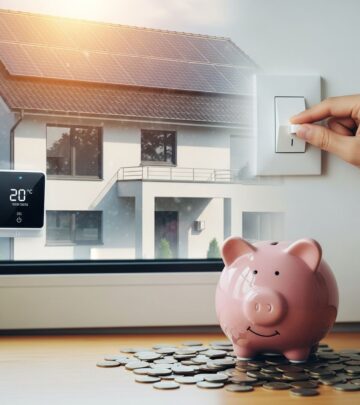
Smart Home Money-Saving Strategies
Discover practical, everyday tactics to cut household costs, boost savings, and manage your budget effectively without sacrificing comfort.

Household expenses can quickly drain your finances if left unchecked, but simple adjustments in daily routines and planning can lead to substantial savings. This guide outlines comprehensive approaches to trim costs across key areas like energy use, food spending, repairs, and overall budgeting, helping you keep more money in your pocket.
Establishing a Solid Financial Foundation
Before diving into specific spending cuts, create a robust budget to track and control your cash flow. Start by listing all income sources and categorizing expenses into essentials, discretionary items, and savings goals. Financial experts recommend the 50/30/20 rule, allocating 50% of after-tax income to necessities such as housing and groceries, 30% to wants like entertainment, and 20% to savings or debt repayment.
Use apps or spreadsheets to monitor spending for a month, revealing patterns like frequent takeout orders or unused subscriptions. Automate transfers to a high-yield savings account immediately after payday—even small amounts like $20 weekly compound over time. Build an emergency fund covering 3-6 months of expenses to avoid high-interest debt during unexpected repairs.
| Budget Category | Percentage | Examples |
|---|---|---|
| Needs | 50% | Rent/mortgage, utilities, groceries |
| Wants | 30% | Dining out, hobbies, streaming services |
| Savings/Debt | 20% | Emergency fund, retirement, loans |
Optimizing Grocery and Meal Expenses
Groceries often represent a significant portion of home budgets, yet strategic planning can reduce waste and costs by up to 20-30%. Begin by inventorying your pantry, fridge, and freezer to use existing items first, preventing duplicate purchases. Develop a weekly meal plan based on sales flyers and staples on hand, then craft a precise shopping list to curb impulse buys.
Compare unit prices rather than total costs, as larger packages aren’t always more economical. Opt for store-brand equivalents for commodities like grains, dairy, and canned vegetables, which match quality at half the price. Employ digital coupons and loyalty programs selectively for planned items only, avoiding temptation to buy extras. Batch-cook versatile dishes like stews or stir-fries to yield multiple meals, freezing portions for later.
- Pantry-first approach: Transform leftovers into new dishes, such as fried rice from yesterday’s veggies.
- Seasonal produce: Choose in-season fruits and vegetables for peak freshness and lowest prices.
- Bulk buying wisely: Stock non-perishables like rice or toiletries when on deep discount, but only what you’ll use.
Cutting Utility and Energy Costs
Energy bills rise with inefficient habits, but targeted changes can lower them significantly. Switch to LED bulbs as old ones fail; they use 75% less energy and last longer. Wash clothes in cold water and run full loads in appliances to maximize efficiency. Invest in a programmable thermostat to lower temperatures when away or asleep, potentially saving 10% annually.
Seal gaps around windows and doors with weatherstripping, and use rugs or curtains to insulate rooms. Unplug vampire devices like chargers that draw power idly, or use smart power strips. For homeowners, regular maintenance like cleaning dryer vents prevents inefficiency and fire risks. Monitor bills monthly to spot trends and adjust usage.
Consider refinancing your mortgage if rates have dropped, weighing closing costs against long-term gains. Downsizing cable or streaming packages can trim $40+ monthly from communication bills.
Smart Maintenance and Repair Habits
Proactive upkeep averts costly breakdowns. Address minor issues promptly—a dripping faucet or loose handle fixed early avoids water damage or full replacements. Learn basic DIY skills via free online tutorials for tasks like patching walls or unclogging drains, saving on service calls.
Schedule annual checks for HVAC systems, gutters, and roofs to extend appliance life. Set aside a dedicated maintenance fund, distinct from emergencies, aiming for 1% of home value yearly. For new homeowners, track unfamiliar utility spikes and baseline usage to budget accurately.
Thrifty Purchasing and Lifestyle Tweaks
Adopt a 24-48 hour wait rule for non-essentials, fostering thoughtful decisions. Repair items like clothing hems or furniture joints before discarding. Borrow or rent infrequently used tools from libraries or neighbors, bypassing ownership costs. Shop secondhand marketplaces for durable goods like tools, books, or kids’ toys, often at 50-70% off retail.
- Maintain a ‘gift closet’ with versatile, discounted items for occasions.
- Limit cleaning supplies to multi-purpose basics like vinegar and baking soda.
- Designate no-spend days weekly to reset habits and appreciate home resources.
Carry reusables: water bottles, shopping bags, and coffee mugs eliminate daily convenience fees. Review subscriptions quarterly, canceling underused ones.
Advanced Budgeting Tools and Tracking
Leverage technology for precision. Apps categorize transactions automatically, flagging overspends. Envelope systems allocate cash for variables like fun money, enforcing limits. Set short-term goals like vacation funds alongside long-term retirement.
Review budgets monthly, adjusting for life changes like rate hikes. Involve household members in tracking to build collective accountability. Automate bill payments to avoid fees and ensure savings priority.
Frequently Asked Questions
How much can I realistically save monthly with these tips?
Average households save $100-300 by combining grocery plans, energy tweaks, and budgeting, scaling with implementation.
What’s the best starter budget for beginners?
The 50/30/20 model provides balance; customize based on income.
Should I prioritize debt payoff or savings?
Tackle high-interest debt first (>7% APR), then build emergency funds.
Are LED bulbs worth the upfront cost?
Yes, they pay back in 6-12 months via lower bills and longevity.
How do I motivate my family to follow a budget?
Set shared goals, gamify tracking, and celebrate milestones together.
Long-Term Financial Wellness
Savings compound with consistency. Aim to increase savings rates gradually to 20% of income. Regularly check credit scores for better loan terms. These strategies not only cut costs but foster financial security and reduced stress.
References
- 60 Smart Life Hacks to Save Money Every Day — MoneyFit.org. 2023. https://www.moneyfit.org/life-hacks-to-save-money/
- 28 Proven Ways to Save Money — NerdWallet. 2025-03-15. https://www.nerdwallet.com/finance/learn/how-to-save-money
- 10 Tips for Managing Your Household Budget — Duncan Group. 2024. https://duncangrp.com/managing-your-household-budget/
- 5 New Homeowner Tips for Keeping a Budget — H&R Block. 2024-06-10. https://www.hrblock.com/tax-center/lifestyle/financial-education/budgeting-tips-for-new-homeowners/
- Fidelity’s Easy Budgeting Guideline — Fidelity Investments. 2025. https://www.fidelity.com/learning-center/personal-finance/spending-and-saving
Similar Articles








Read full bio of Sneha Tete