Buying Used Cars: Essential 2025 Inspection & Negotiation Guide
Master the art of purchasing a pre-owned vehicle with proven strategies to secure quality, value, and peace of mind.
Acquiring a pre-owned vehicle offers significant savings compared to new models, but it demands careful evaluation to avoid hidden issues. This guide outlines a systematic process to help buyers identify reliable options, assess condition accurately, and complete transactions securely.
Establishing Your Financial Framework
Begin by defining a realistic budget that encompasses more than the sticker price. Factor in ongoing expenses such as fuel, insurance premiums, maintenance, and registration fees. Experts recommend allocating 10-20% extra for immediate repairs on used vehicles, as minor wear often surfaces post-purchase.
- Calculate total affordability: Use online calculators to estimate monthly payments if financing.
- Account for taxes and fees: These can add 8-10% to the base cost in most states.
- Prioritize cash purchases: They provide negotiation leverage and avoid interest charges.
Tools from reputable sites like Kelley Blue Book help gauge fair market values based on location, mileage, and condition, ensuring you stay within limits.
Defining Vehicle Requirements
Match the car to your lifestyle before browsing listings. Consider daily usage, passenger capacity, cargo needs, and performance expectations like towing or off-road capability.
| Usage Type | Recommended Features | Example Models |
|---|---|---|
| City Commuting | High fuel efficiency, compact size, parking sensors | Honda Civic, Toyota Corolla |
| Family Transport | Spacious interior, safety tech, third-row seating | Toyota Highlander, Honda Pilot |
| Heavy Duty | Towing capacity, rugged suspension, 4WD | Ford F-150, Chevrolet Silverado |
Reliability ratings from sources like Consumer Reports guide model selection, emphasizing long-term ownership costs over initial appeal.
Conducting Thorough Research
Investigate candidate models using owner forums, recall databases, and review aggregators. The National Highway Traffic Safety Administration (NHTSA) lists open recalls, while platforms like Carfax reveal accident histories, ownership changes, and service logs.
- Verify mileage consistency: Cross-check odometer readings against service records.
- Assess common issues: Search for model-specific problems like transmission failures.
- Compare certified pre-owned (CPO) options: These undergo multi-point inspections and include warranties.
CPO vehicles from manufacturers often provide extended coverage, balancing higher upfront costs with reduced risk.
Performing a Comprehensive Vehicle Inspection
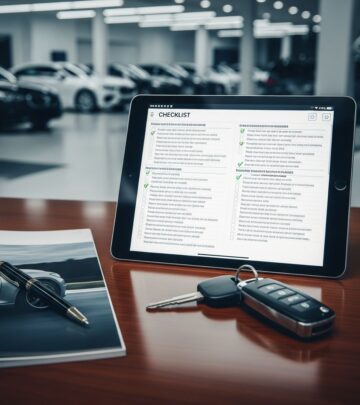
Never skip a hands-on examination, ideally with a mechanic. Start with the exterior: Look for uneven panel gaps, rust under wheel wells, and tire tread depth using the penny test—Lincoln’s head visible means replacement needed.
Engine and Underhood Checks
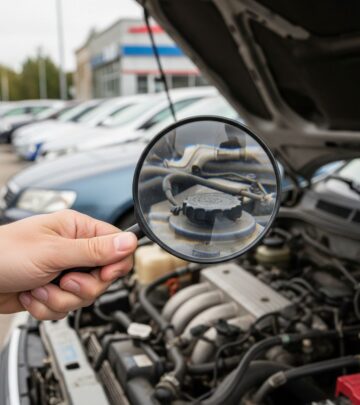
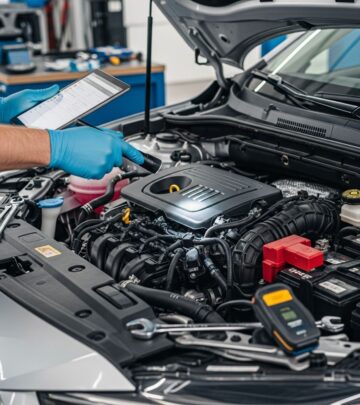
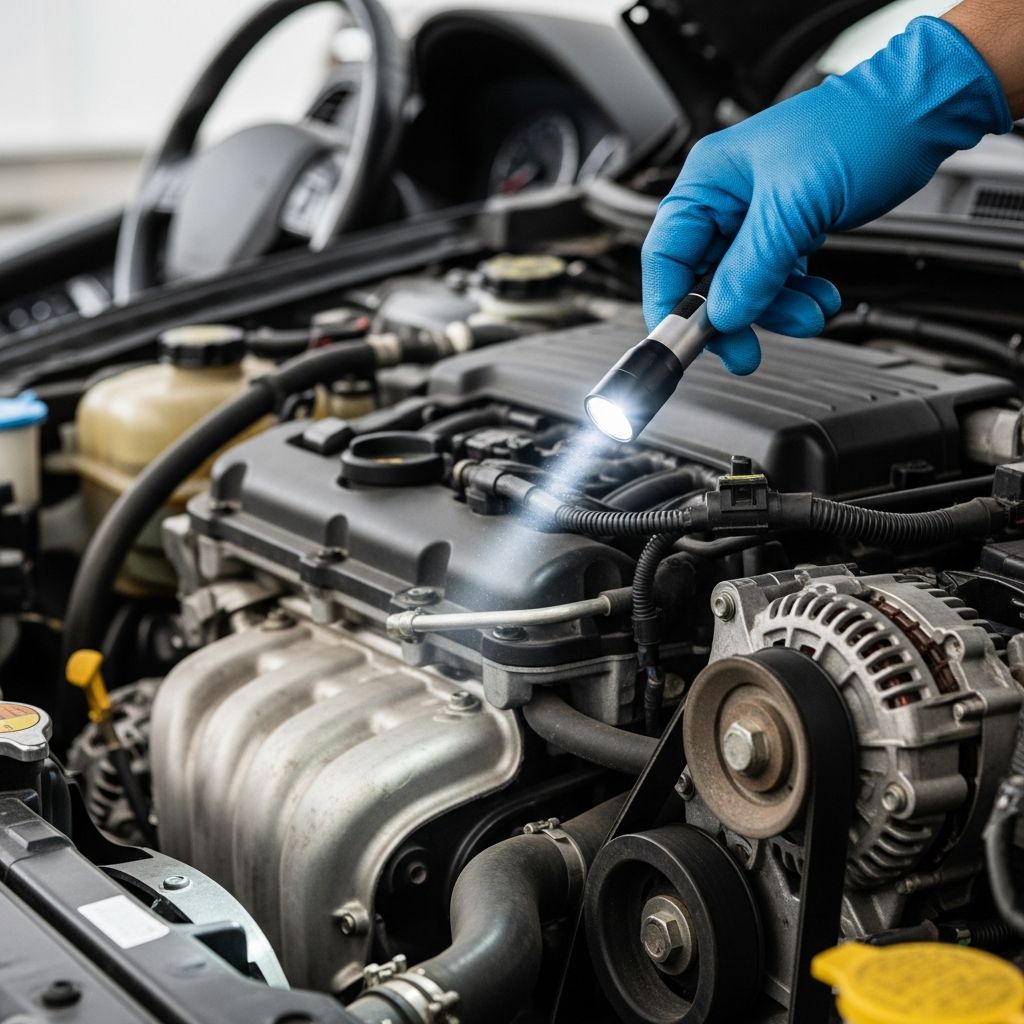
With the engine cold, inspect fluids: Oil should be clean without metallic flecks; coolant free of oil contamination. Listen for unusual noises on startup, like knocking or excessive smoke. Belts and hoses must show no cracks.
- Check battery terminals for corrosion.
- Scan for leaks using a flashlight.
- Test electronics: Lights, wipers, and gauges.
Interior and Mechanical Review
Inside, operate all controls: Windows, locks, seats, and climate systems. Seatbelts should retract smoothly. Under the hood while running, monitor for drips or irregular idling.
Bring an OBD-II scanner to read diagnostic codes, revealing hidden faults without expensive tools.
Mastering the Test Drive
A minimum 20-30 minute drive on varied roads—highways, city streets, and hills—is essential. Accelerate firmly, brake progressively, and corner to detect vibrations or pulling.
- Listen for clunks in suspension or CV joints.
- Feel brake pedal firmness; no sponginess.
- Monitor temperature and warning lights.
Reverse and shift through gears, noting smoothness. Post-drive, recheck fluid levels for discrepancies.
Evaluating Seller Credibility
Private sellers may offer lower prices but less recourse; dealers provide warranties. Ask probing questions: Ownership duration, usage type, and repair history. Request all service receipts matching the maintenance schedule.
Red flags include reluctance to share documents, evasive answers, or pressure to decide quickly.
Securing Financing Options
Pre-approval from banks or credit unions strengthens your position. Compare rates: Dealership financing might match or beat them with negotiation. Avoid extending loan terms beyond 60 months to control interest.
- Review total loan costs, not just APR.
- Consider gap insurance for financed used cars.
- Factor trade-in values accurately.
Negotiation and Price Finalization
Armed with market data, start 10-15% below asking price. Highlight inspection findings for leverage. Walk away if concessions don’t align with value.
Certified appraisals provide objective pricing benchmarks.
Reviewing and Signing Paperwork
Scrutinize the title for liens or salvage status. Ensure the bill of sale details price, VIN, and as-is terms. Odometer disclosure must match readings.
- Confirm emissions and safety certifications.
- Retain copies of all documents.
- Dealer purchases: Verify warranty scope.
Avoid title jumping, where sellers skip registration, complicating ownership transfer.
Post-Purchase Actions
Immediately change oil, rotate tires, and schedule a full service. Update registration, insurance, and add-ons like extended warranties if applicable.
Frequently Asked Questions
Is a vehicle history report sufficient?
No, it complements but doesn’t replace physical inspections and test drives, as some issues evade reporting.
How much should I spend on a used car inspection?
$100-200 for professional service, a fraction of potential repair savings.
What’s the best time to buy used?
End of month/quarter/year, when dealers meet quotas.
Should I buy from auctions?
Only with expertise, as no test drives or returns apply.
Are CPO cars worth the premium?
Often yes, for low-mileage recent models with verified history.
References
- Expert Tips on How to Inspect a Used Car — Consumer Reports. 2023-10-15. https://www.consumerreports.org/cars/how-to-inspect-a-used-car-a1377126659/
- How to Buy a Used Car — CARFAX. 2024-05-20. https://www.carfax.com/buying/car-buying-checklist
- Test-Driving a Car: A Checklist — Kelley Blue Book. 2023-11-10. https://www.kbb.com/car-advice/test-driving-car-checklist/
- Vehicle History and Recalls — NHTSA.gov. 2025-01-01. https://www.nhtsa.gov/recalls
- How to Inspect a Used Car Checklist — ChrisFix (PDF Guide). 2022-08-05. https://www.chris-fix.com/upload/How%20to%20Inspect%20a%20Used%20Car%20Checklist%20%20FULL.pdf
Similar Articles








Read full bio of Sneha Tete