Smart Guide To Buying Pre-Owned Designer Handbags
Learn how to buy pre-owned designer handbags confidently, avoid fakes, and stay aligned with your financial goals.
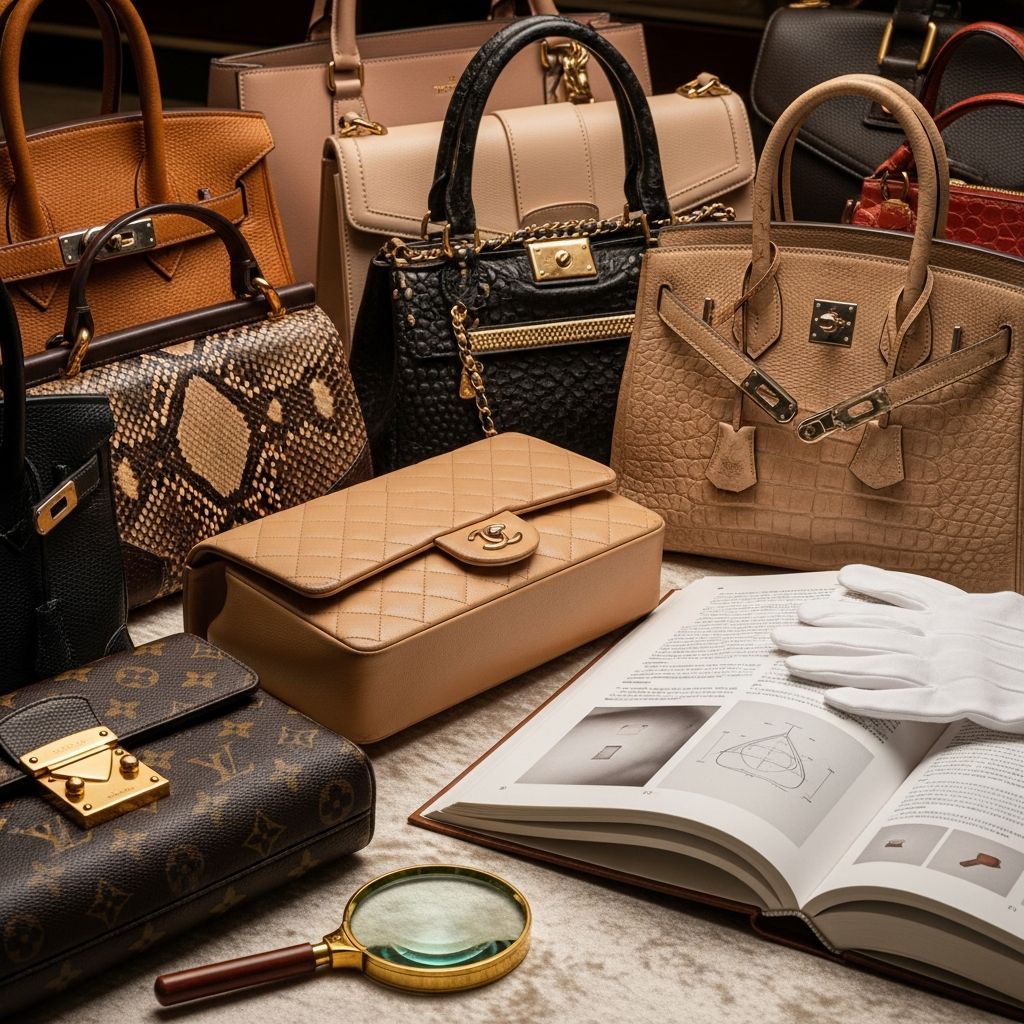
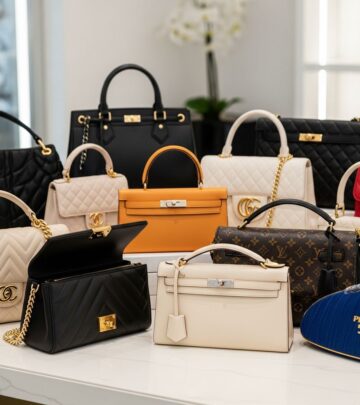
Buying pre-owned designer handbags can be a smart way to enjoy luxury fashion without paying full retail prices, but it only makes sense when you understand the resale market and protect your overall financial goals.
This guide walks you through how the pre-owned luxury market works, how to buy safely, and how to keep your handbag habit from sabotaging your money plans.
Why Consider Pre-Owned Designer Handbags?
The resale market for luxury goods has grown into a multi-billion dollar global industry as more people choose secondhand over new for both financial and environmental reasons.
Instead of paying current boutique prices, you can often find the same or similar bags in excellent condition for less, especially when brands raise prices frequently.
- Lower upfront cost: Pre-owned prices can be significantly below current retail, especially for bags that are no longer in high demand.
- Access to discontinued styles: You can find older, limited, or discontinued models that boutiques no longer carry.
- More sustainable consumption: Buying secondhand extends the lifespan of items and reduces waste compared with always buying new.
- Testing a style: The resale market allows you to try a brand or style with the option to resell later if it does not work for you.
That said, pre-owned is not free money. You still need a plan so that you are not trading one expensive habit (buying new) for another (impulse buying secondhand).
Key Mindset: Luxury Bags Are Not Investments
Many shoppers justify high-end bags by calling them “investments,” but from a financial perspective most handbags do not behave like traditional investments such as stocks or diversified index funds.
| Aspect | Handbag | Financial investment |
|---|---|---|
| Expected return | Uncertain, often negative after fees and wear | Designed for long-term positive return (though not guaranteed) |
| Liquidity | Requires finding a buyer, setting price, verifying authenticity | Easily sold on regulated markets (for public securities) |
| Costs | Maintenance, consignment/marketplace fees, shipping, insurance | Brokerage fees, fund expenses |
| Risk profile | Style risk, condition risk, fake/replica risk, demand risk | Market and credit risks, but diversified instruments are regulated |
A small subset of classic bags from a few heritage brands can retain or sometimes exceed their original price over long periods, partly due to repeated retail price increases and limited supply. However, this outcome is not guaranteed, and you only realize any gain if:
- You keep the bag in excellent condition.
- You can prove authenticity and original purchase details.
- You find a buyer willing to pay your asking price.
- You account for all selling fees and costs.
For most people, it is more realistic to treat handbags as wardrobe investments (items that you use often and that last a long time), not as core financial investments.
Set Your Financial Priorities First
Before you browse any pre-owned sites, get clear on your broader financial picture. Personal finance research consistently shows that saving and investing early has a large impact on long-term wealth because of compound growth.
Ask yourself:
- Are your high-interest debts (like credit cards) paid off or under control?
- Do you have an emergency fund covering at least 3–6 months of essential expenses?
- Are you contributing regularly to retirement or investment accounts?
- Are your core financial goals (education, home, business, travel) funded?
Only after those answers are solid should you allocate money to luxury purchases. A practical approach is to create a specific “fun” or “style” sinking fund in your budget so you can save cash over time for a bag instead of turning to high-cost credit.
Rules To Keep Your Bag Habit Healthy
- No debt for handbags: Avoid using high-interest credit cards or buy-now-pay-later plans for discretionary luxury items.
- Cap your luxury budget: Decide a yearly or per-item limit that fits comfortably within your cash flow.
- One in, one out: When you buy a new bag, consider selling an older one to keep your collection and spending in check.
- Wait period: Give yourself a 30-day waiting period before any major purchase to see if the desire passes.
Understanding The Pre-Owned Handbag Market
The secondhand luxury market has diversified quickly. Today you can choose from professional resale platforms, consignment stores, and direct person-to-person sales, each with its own trade-offs in terms of price, convenience, and risk.
Main Ways To Buy Pre-Owned Handbags
- Online resale platforms (curated marketplaces): These specialize in authenticating and reselling designer items, often offering buyer protection and standardized condition ratings.
- Online peer-to-peer marketplaces: General platforms where individuals list items directly. Prices can be lower, but authenticity and buyer protection vary.
- Brick-and-mortar consignment stores: Local shops that inspect and sell items on behalf of the original owners, usually taking a commission.
- Direct sales: Buying directly from someone you know or through private communities and social media groups.
In all cases, remember: a lower price is only a win if the bag is authentic, in the condition you expect, and purchased with money you can truly afford to spend.
How To Choose The Right Pre-Owned Handbag For You
Instead of chasing trends, focus on how a bag fits your life, wardrobe, and long-term style. Classic, versatile pieces usually hold their appeal better and are easier to resell later.
Questions To Ask Before You Buy
- Does it fit my lifestyle? Think about weight, size, strap length, and how you move during a normal day.
- Will it match multiple outfits? Neutral colors and simple silhouettes tend to work with more looks.
- Is the design timeless or trendy? Highly trendy shapes and logos may feel dated quickly.
- How often will I use it? Estimate cost per wear by dividing the total cost by the number of times you realistically expect to carry the bag.
- Can I maintain it? Exotic leathers and delicate materials may require special care and storage.
Choose bags that you genuinely love and will use, not just pieces that are popular online. This keeps your cost per wear low and your satisfaction high.
Authenticity: Protecting Yourself From Fakes
Counterfeit luxury goods are a major global problem. Studies have found that a substantial share of goods seized by customs worldwide are counterfeit fashion and luxury items. This makes authenticity the most critical step when buying pre-owned.
Key Authenticity Checks
- Overall quality: Examine stitching, hardware, lining, and finishing. Luxury brands have consistent, precise craftsmanship.
- Brand-specific markings: Look for correct logos, stamps, serial numbers, date codes, and holograms where applicable.
- Materials: Authentic leather, canvas, and hardware should feel substantial and high quality, not flimsy or plastic-like.
- Symmetry and alignment: Check that patterns (like monograms) align correctly at seams and that logos are evenly placed.
- Smell and texture: Many fakes use cheaper materials that smell strongly chemical or feel off compared with known authentic pieces.
Because counterfeiters constantly improve, visual inspection is not always enough. Consider using:
- Reputable third-party authenticators: Independent experts or companies that provide written opinions and photo-based evaluations.
- Platforms with in-house authentication: Professional resale sites that guarantee authenticity and offer refunds if an item is later found to be fake.
Where To Buy Pre-Owned Safely
There is no single “best” place; the right choice depends on how much risk, effort, and cost you are willing to accept.
Professional Resale Platforms
These sites specialize in secondhand luxury and usually offer:
- Pre-screening and authentication before listing.
- Clear photographs and condition grading.
- Buyer protection policies and return options.
- Transparent fees included in the price.
You may pay a bit more than on person-to-person platforms, but you typically gain peace of mind and recourse if something goes wrong.
General Marketplaces And Direct Sales
When buying from non-specialist platforms or directly from individuals:
- Ask for detailed, well-lit photos from multiple angles.
- Request proof of purchase, original receipts, and any authenticity cards.
- Check the seller’s history, ratings, and reviews when available.
- Use secure payment methods that offer buyer protection.
- Factor in shipping, customs duties, and return costs (if returns are even allowed).
If you feel rushed, pressured, or the deal looks too good to be true, walk away. There will always be another bag.
Understanding Condition Grades And Pricing
Most resale platforms use condition grades to describe how much wear a bag has. While terminology varies, you will usually see versions of these categories:
| Condition | Typical Description | What It Means For You |
|---|---|---|
| New / Like New | Unused or worn only a few times, minimal signs of wear | Close to boutique experience, highest resale prices |
| Excellent / Very Good | Light wear such as small scuffs or faint hardware scratches | Good value balance between appearance and price |
| Good | Visible wear, corner rubbing, hardware discoloration | Lower price but imperfections noticeable in daily use |
| Fair / Well-Loved | Significant wear, stains, or structural issues | Budget-friendly, may require repairs or be best as a casual bag |
When comparing prices, look at:
- Current retail price (if the bag is still sold new).
- Condition and age of the bag.
- Popularity of the style and color.
- Included extras: box, dust bag, receipt, and accessories can support a higher resale price.
Financing, Fees, And Hidden Costs
Buying pre-owned can save money upfront, but there are still hidden costs to consider.
Avoid High-Cost Financing
Credit card interest rates and point-of-sale “buy now, pay later” plans can make a bag much more expensive over time if you do not pay the balance in full.
- Plan to pay in full with saved cash.
- If you use a credit card for protections or rewards, have the money set aside and pay the statement balance by the due date.
Factor In Total Cost Of Ownership
- Taxes and duties for international purchases.
- Shipping and insurance, especially for higher-value items.
- Authentication or appraisal fees if you use independent authenticators.
- Cleaning and repair costs if you plan to restore the bag.
Thinking beyond the sticker price helps you decide whether a bag truly fits your budget.
How To Maintain And Store Your Handbags
Proper care keeps your bags looking good and helps preserve any resale value.
- Store bags upright with stuffing (like acid-free paper or clean cloth) to maintain shape.
- Use dust bags to protect from dust and light; avoid plastic, which can trap moisture.
- Keep them away from direct sunlight and extreme heat, which can fade and dry out leather.
- Rotate usage to prevent excessive wear on a single bag.
- Wipe down leather with a soft cloth and use appropriate conditioners when needed.
Consider occasional professional cleaning for very light colors or delicate materials, but weigh the cost against the value of the bag.
When To Sell A Bag From Your Collection
The pre-owned market is not only for buyers; it is also a way to recover some value from bags you no longer use.
It may be time to sell when:
- You have not reached for a bag in many months.
- Your style has changed and the piece no longer feels like you.
- You want to fund a different financial priority or a new bag.
- The bag is still in good enough condition to fetch a reasonable resale price.
If you choose to sell, the same platforms and considerations apply in reverse. Keep all original packaging and documentation; these details help you achieve a better price.
Frequently Asked Questions (FAQs)
Q: How much can I save by buying pre-owned instead of new?
A: Savings vary widely by brand and style. Classic, highly sought-after bags may sell close to or even above current retail, while less popular or more worn styles can cost significantly less than boutique prices. Compare several listings in similar condition to understand the normal price range.
Q: Is it ever worth buying a handbag as a financial investment?
A: For most people, no. Only a small number of models from certain brands have historically appreciated in value, and even those carry risk, transaction costs, and liquidity challenges. Regulated financial products are generally more appropriate for long-term investing, while handbags are best viewed as lifestyle purchases.
Q: How can I reduce the risk of buying a fake bag?
A: Buy from reputable resale platforms that offer authentication and guarantees, request detailed photos and original receipts when purchasing from individuals, and consider using a recognized third-party authenticator. If the price is far below market value without a clear reason, treat it as a red flag.
Q: Should I ever use financing to buy a pre-owned designer bag?
A: It is safer to avoid high-interest financing for discretionary luxury purchases. If you choose to use a credit card for buyer protections, have the full amount saved and pay the statement balance on time to avoid interest charges that can quickly increase the total cost.
Q: How many luxury bags are reasonable to own?
A: There is no universal number. A practical approach is to build a small collection that you regularly use and that fits comfortably within your budget. If you notice that bags sit unused or your collection is growing faster than your savings, it may be time to reassess and possibly sell some pieces.
References
- Resale Growth, Environmental Impact Highlight Shift in Consumer Behavior — Boston Consulting Group. 2022-10-10. https://www.bcg.com/publications/2022/recommerce-and-resale-market
- Saving for Retirement — U.S. Securities and Exchange Commission (SEC). 2023-03-02. https://www.investor.gov/introduction-investing/investing-basics/how-compound-interest-works
- Global Powers of Luxury Goods 2023 — Deloitte. 2023-06-14. https://www2.deloitte.com/global/en/pages/consumer-business/articles/global-powers-of-luxury-goods.html
- Alternative Investments: An Introduction — CFA Institute Research Foundation. 2020-01-15. https://www.cfainstitute.org/en/research/foundation/2020/alternative-investments-introduction
- Emergency Savings: How Much Is Enough? — Consumer Financial Protection Bureau (CFPB). 2023-05-05. https://www.consumerfinance.gov/consumer-tools/educator-tools/resources-for-older-adults/plan-for-unexpected-emergencies/
- Consumer Credit Card Market Report — Consumer Financial Protection Bureau (CFPB). 2023-09-29. https://www.consumerfinance.gov/data-research/research-reports/consumer-credit-card-market-report/
- OECD Study on Counterfeiting and Piracy — Organisation for Economic Co-operation and Development (OECD). 2019-03-18. https://www.oecd.org/gov/risk/trade-counterfeit-pirated-goods-9789264252653-en.htm
Similar Articles








Read full bio of Sneha Tete