Smart Grocery Savings in 2026
Discover proven strategies to slash your grocery bill amid rising prices, saving families up to $2,000 annually with smart planning and habits.
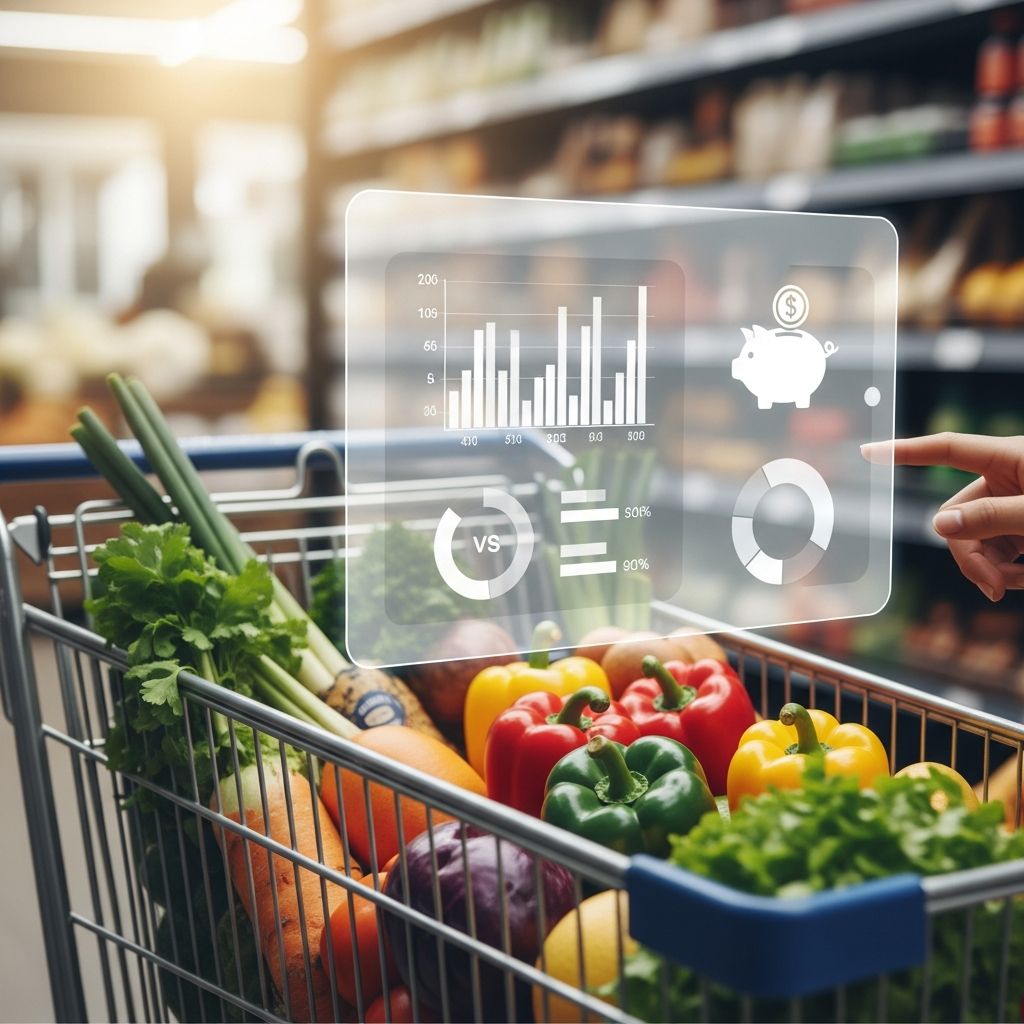
Grocery prices have surged, with food costs now 26% higher than pre-pandemic levels, putting pressure on household budgets. Yet, families can reclaim control by adopting targeted strategies that emphasize planning, timing, and resourcefulness. These approaches can yield annual savings of $1,500 to $2,000 without extreme measures like clipping hundreds of coupons.
Mastering the Art of Strategic Timing
Timing your shopping trips aligns with store operations to capture peak discounts. Stores often refresh promotions midweek, creating overlap periods where old and new deals coexist.
- Target Wednesday mornings for resets on sales, allowing access to lingering prior-week discounts alongside fresh offers.
- Visit late in the day for bakery markdowns, as unsold goods get reduced to clear inventory.
- Designate specific days: one for fresh produce and dairy, another for clearance items like manager’s specials on meat and short-dated products.
This schedule minimizes impulse buys and maximizes value, turning routine trips into savings opportunities.
Harnessing Technology and Apps for Discounts
Digital tools extend savings beyond in-store signs. Store apps and scanners provide real-time insights often missed otherwise.
| Tool | Benefit | Example Use |
|---|---|---|
| Store Loyalty Apps | Post-checkout rebates and digital coupons | Apply credits after purchase for unclaimed deals |
| Barcode Scanners | Unit price comparisons | Verify if larger packs truly save money |
| Near-Expiration Alerts | Notifications for markdowns | Get alerts on favorite items nearing sell-by dates |
Integrating these into your routine ensures you never overpay, with unit pricing debunking myths like ‘family size always cheaper.’
Optimizing Protein Purchases
Proteins drive up bills quickly, but bulk buying and preservation techniques stretch dollars further.
- Opt for family packs and request butcher re-wrapping into portions for freezing at no extra cost.
- Seek ‘manager’s special’ lists for discounted meats, dairy, and bakery items not always labeled.
- Choose smaller deli options, like kids’ meals, which suffice for adults and cost less.
Freezing preserves value: portion ground beef, poultry, or fish immediately upon purchase to avoid waste.
Produce and Pantry Power Moves
Fresh items spoil fast, but smart selection and storage extend usability and cut costs.
- Buy ‘ugly’ produce—misshapen but nutritious fruits and veggies sold at discounts.
- Avoid pre-cut options; whole produce costs far less with simple prep.
- Regrow greens like green onions, lettuce, or celery in water on your counter.
- Stock pantry staples like beans, rice, and oils from stores with the best unit prices, even if it means multi-stop shopping for specialties.
Build a robust pantry gradually—allocate $20 monthly for spices or vinegars to enable diverse, affordable meals.
Freezing and Storage Innovations
Proper preservation combats waste, a hidden budget killer. Many items freeze better than expected.
- Bread, shredded cheese, and milk freeze well; portion milk into ice cube trays for recipes.
- Herbs in olive oil or cracked eggs in muffin tins maintain freshness.
- Always shop your freezer first to plan meals around existing stock, curbing unnecessary buys.
These habits transform potential trash into extended value, supporting flexible meal planning.
Building a Price Awareness Framework
Knowledge beats guesswork. Track baseline prices to spot genuine deals.
- Create a reference list of lowest prices for staples like ground beef ($4/lb target) or toiletries.
- Calculate unit prices religiously: price divided by ounces or count reveals true value.
- Ignore traps like ‘party size’ or ‘buy 2’ unless math confirms savings.
This mindset shifts shopping from reactive to proactive, ensuring you buy at predetermined ‘good deal’ thresholds.
Streamlining Trips and Avoiding Pitfalls
Fewer, focused visits reduce temptations. Limit to one primary store weekly, supplementing with targeted runs.
- Use pickup for staples to dodge impulse aisles, reserving in-store for markdown hunts.
- Steer to outer aisles for fresh foods, avoiding processed inner sections.
- Bulk warehouse clubs like Costco or Aldi excel for nonperishables and paper goods.
Loyalty programs amplify savings via apps, especially with limited local options.
Long-Term Budget Integration
Embed these tactics into a broader plan. Start with a weekly inventory to base lists on needs, not habits.
Combine store strengths: ethnic markets for rice and coconut milk, chains for proteins. Flexibility in meals—build around markdowns—unlocks creativity and savings.
Average family implementation yields substantial returns, as small shifts compound over 52 weeks.
Frequently Asked Questions
How much can I realistically save?
Families report $1,500-$2,000 yearly through timing, freezing, and unit pricing.
What’s the best day to shop?
Wednesdays for sales overlap; evenings for bakery deals.
Are bulk buys always cheaper?
No—always check unit prices to confirm.
Can I freeze dairy and produce?
Yes, milk, cheese, herbs in oil, and many veggies freeze effectively.
How do loyalty apps help post-purchase?
They apply rebates and digital discounts retroactively.
Comparing Top Savings Strategies
| Strategy | Potential Annual Savings | Ease of Implementation |
|---|---|---|
| Markdown Timing | $500-$800 | High |
| Unit Pricing | $400-$600 | Medium |
| Freezing/Waste Reduction | $300-$500 | High |
| App Discounts | $200-$400 | Medium |
These estimates draw from real-world applications, varying by household size and location.
References
- 17 Unusual Grocery Hacks That Can Save Families Money — News4JAX. 2026-01-12. https://www.news4jax.com/news/local/2026/01/12/17-unusual-grocery-hacks-that-can-save-families-money/
- 4 Shopping Tips for 2026 That’ll Save You Money Almost Anywhere — ConsumerAffairs. 2026-01-02. https://www.consumeraffairs.com/news/4-shopping-tips-for-2026-thatll-save-you-money-almost-anywhere-010226.html
- Strategies to Save at the Supermarket — CBS6 Albany / Consumer Reports. 2026. https://cbs6albany.com/news/local/strategies-to-save-at-the-supermarket-consumer-reports
Similar Articles








Read full bio of medha deb