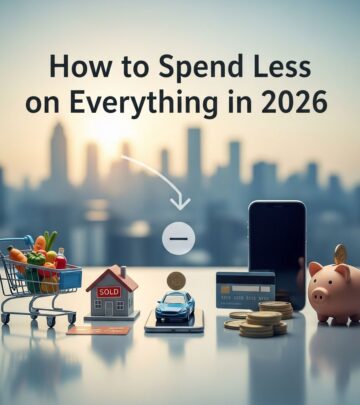
Smart Frugal Habits to Save Money
Discover practical, everyday strategies to cut costs, build wealth, and live intentionally without feeling deprived in today's economy.

In an era of rising costs and economic uncertainty, adopting frugal habits offers a reliable path to financial stability. These strategies focus on intentional spending, eliminating waste, and prioritizing long-term wealth over short-term gratification. By making small, consistent changes, individuals can redirect hundreds or even thousands of dollars annually toward savings, debt reduction, or personal goals.
Understanding the Power of Frugal Mindset
A frugal mindset shifts focus from deprivation to empowerment. It involves evaluating every expense against personal values and future objectives. Research indicates that people often underestimate daily spending by 20-40%, leading to unnecessary outflows. Cultivating awareness transforms reactive habits into proactive decisions, compounding savings over time.
For instance, distinguishing needs from wants prevents emotional purchases. This approach not only preserves cash but also reduces stress by creating a buffer against unexpected events like job changes or medical bills.
Mastering Expense Tracking for Full Visibility
The cornerstone of frugal living is knowing exactly where money flows. Tracking reveals hidden leaks, such as frequent coffee runs or forgotten micro-transactions. Start by logging every purchase for one week using a simple app or notebook.
- Record date, amount, category, and purpose for each transaction.
- Review weekly to categorize into essentials (rent, groceries) versus discretionary (dining out, entertainment).
- Identify patterns, like weekend splurges, and set limits accordingly.
Tools like budgeting apps provide dashboards for real-time insights, turning data into actionable plans. Consistent tracking fosters accountability and often uncovers 10-20% immediate savings opportunities.
Building a Realistic Budget That Works
Once spending is visible, craft a budget aligned with income and priorities. Allocate percentages: 50% needs, 30% wants, 20% savings (the 50/30/20 rule, adapted from financial guidelines). Adjust based on circumstances, such as high housing costs.
| Budget Category | Recommended % | Example Monthly ($3,000 Income) |
|---|---|---|
| Essentials (housing, food, transport) | 50% | $1,500 |
| Discretionary (entertainment, hobbies) | 30% | $900 |
| Savings/Debt | 20% | $600 |
Set daily spending caps within categories to prevent overruns. Automate transfers to savings on payday, treating it as a non-negotiable bill.
Strategies to Curb Impulse Buying
Impulse purchases drain budgets, averaging $450 monthly per person. Combat this with structured planning.
- Maintain a running list of true needs; shop only from it.
- Research options thoroughly, comparing value over price alone.
- Implement a 30-day wait for non-essentials: note the item, price, and date; reassess later.
This rule leverages the fade of desire, saving money on forgotten wants. Unsubscribe from promotional emails to reduce triggers.
Leveraging Cash and Envelopes for Control
Physical cash heightens spending awareness compared to cards. Use the envelope system: divide cash into envelopes for categories like groceries or fun money. When empty, spending stops.
- Withdraw weekly allowances for variables.
- Track digitally for fixed bills.
- Reserve cards for planned, researched buys.
This tactile method trains discipline, often cutting discretionary spend by 20-30% initially.
Automating Savings for Effortless Growth
Remove human error by automating finances. Set up transfers:
- 10-20% of income to high-yield savings immediately post-payday.
- Sinking funds for irregular expenses (car repairs, holidays).
- Round-up purchases to savings apps.
Compounding turns consistency into wealth. A $200 monthly auto-save at 4% interest grows significantly over years.
Conducting Regular Subscription Audits
Recurring charges silently erode budgets. Monthly audits reveal unused services.
| Common Leak | Avg. Monthly Cost | Annual Savings Potential |
|---|---|---|
| Streaming services (2-3 unused) | $30 | $360 |
| Gym memberships | $50 | $600 |
| Forgotten trials/apps | $20 | $240 |
Cancel immediately, rotate paid streaming, downgrade plans post-contract. Tools send reminders for trials.
Optimizing Food and Grocery Spending
Food offers massive savings via planning.
- Meal prep simple, repeatable dishes using pantry staples first.
- Limit grocery trips to once weekly with strict lists.
- Opt for store brands, bulk buys, and seasonal produce.
Pack lunches 3x weekly saves $1,000+ yearly. Brew coffee at home: $500-1,000 annual win. Reframe eating out as occasional treats.
Reducing Housing and Utility Costs
Home expenses dominate budgets. Negotiate rent/bills annually; simple calls yield 5-10% reductions. Implement conservation:
- LED bulbs, smart thermostats cut energy 10-20%.
- DIY minor repairs via online tutorials.
- Rent spare space (parking, storage) for income.
Smart Transportation Choices
Vehicle costs add up. Shop insurance yearly for 10-20% savings. Maintain cars longer, buy used. Combine errands, use public transit or bikes for short trips.
Quick Wins for Immediate Impact
Implement these for fast results:
- Library for books/entertainment: $200-500/year.
- Generic brands: $300-600.
- Negotiate one bill: $100-300.
Total potential: $2,000+ annually from basics.
Habit Stacking for Long-Term Success
Link frugality to routines:
| Daily Routine | Frugal Stack |
|---|---|
| Morning routine | Check budget app |
| Post-shopping | Log expense |
| Weekly planning | Meal and spend review |
| Month-end | Subscription check |
Progress monthly: start tracking, add budgeting, then rules.
FAQs
What is frugal living?
Frugal living emphasizes value-driven spending, maximizing utility while minimizing waste.
How much can I save with these habits?
Typical savers redirect $2,000-5,000 yearly, depending on starting point.
Is frugality only for low incomes?
No, it scales to any income, freeing funds for investments or experiences.
What if I slip up?
Focus on progress; restart without self-judgment.
Can families adopt these?
Yes, involve all in tracking and planning for shared success.
References
- How to Be More Frugal in 2026: 7 Financial Habits Every Woman Should Adopt — Budgt.ch. 2026. https://www.budgt.ch/blog/how-to-be-more-frugal-in-2026-7-financial-habits-every-woman-should-adopt
- 26 Frugal Habits to Save Money in 2026 (We LIVE by these!) – EP 582 — Frugal Friends Podcast. 2026. https://www.frugalfriendspodcast.com/26-frugal-habits-to-save-money-in-2026-we-live-by-these/
Similar Articles








Read full bio of Sneha Tete