Smart Cash Envelope Categories For Every Budget
Learn how to choose and organize cash envelope categories that fit your lifestyle, curb overspending, and move you closer to your money goals.
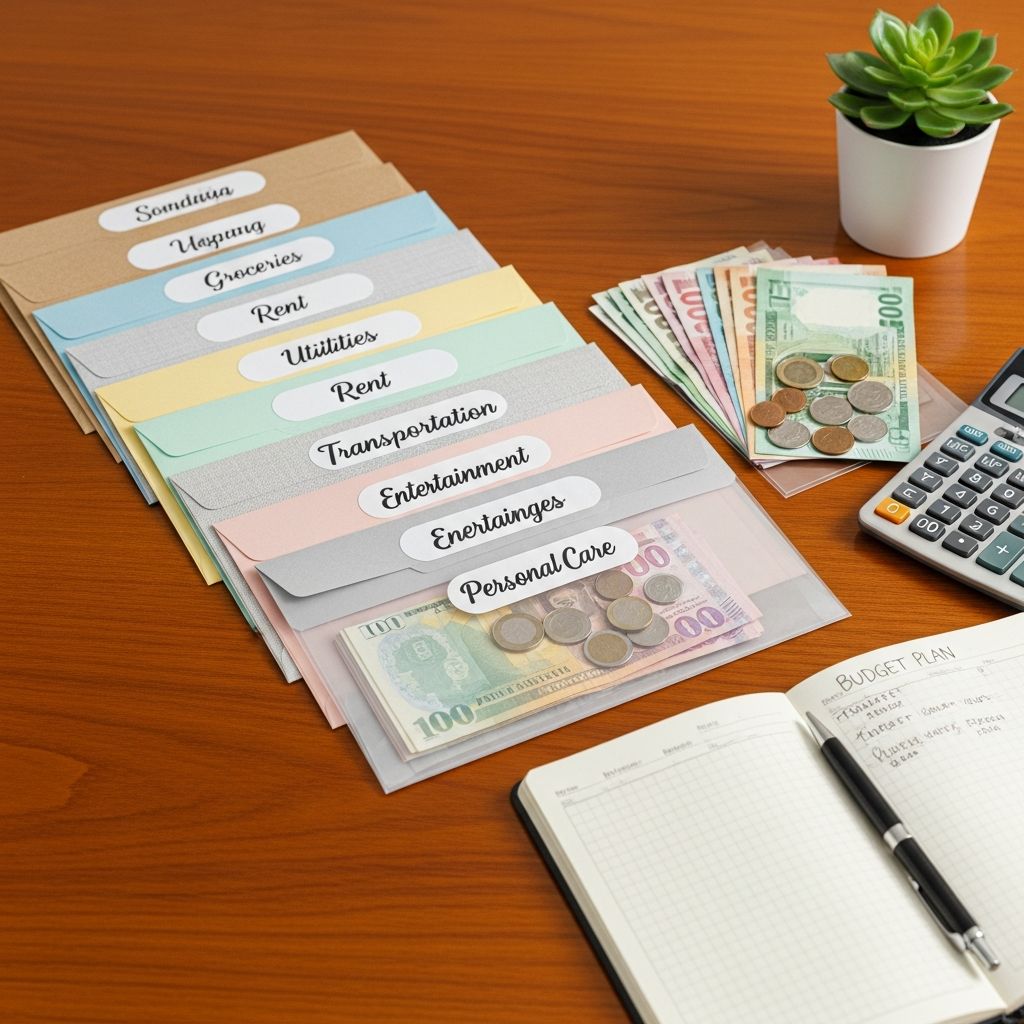
The cash envelope system is a simple but powerful way to control everyday spending, reduce the temptation to overspend, and stay aligned with your financial goals. By assigning cash to specific categories and spending only what is in each envelope, you introduce natural limits and instant feedback into your budget.
This guide walks you through how the cash envelope method works, how to choose effective categories, and a detailed list of envelope ideas to tailor the system to your lifestyle.
What Is The Cash Envelope System?
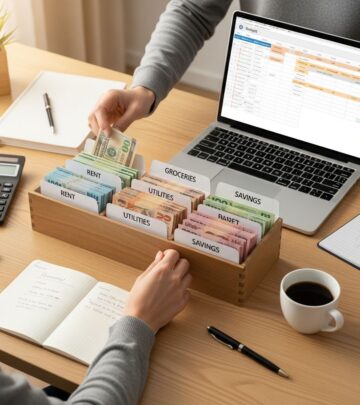
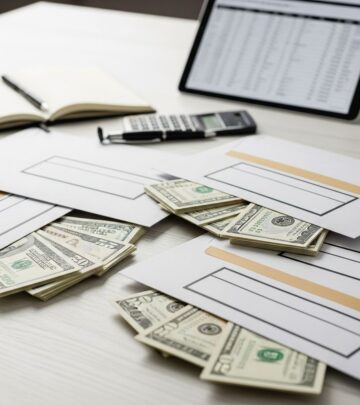
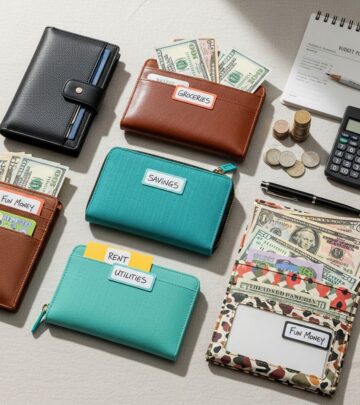
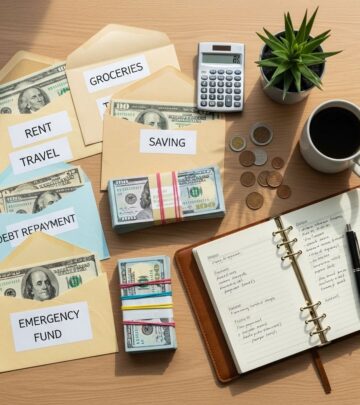
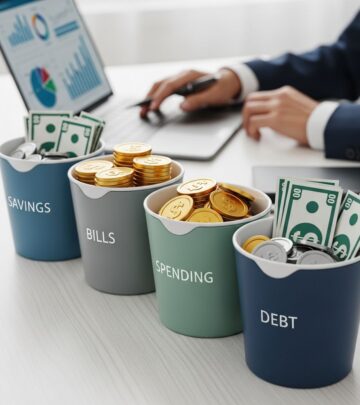
The cash envelope system (also called cash stuffing or envelope budgeting) is a budgeting method where you divide your income into physical or digital “envelopes” that represent specific spending categories, such as groceries, transportation, or entertainment.
You pre-decide how much money each category gets for a set period (usually weekly, biweekly, or monthly). Once the envelope is empty, you pause spending in that category until you refill it in the next budget cycle.
Why Use Cash Envelopes?
- Built-in spending limits: You can only spend what you have in each envelope.
- Increased awareness: Physically watching cash leave an envelope makes spending feel more tangible than swiping a card.
- Better control of variable expenses: It is especially helpful for categories like groceries, dining out, and entertainment that fluctuate month to month.
- Helps curb impulse purchases: When the envelope is empty, you stop or have to consciously adjust another category.
How The Cash Envelope Method Works Step By Step
Before choosing categories, it helps to understand the basic workflow of the cash envelope system. Many banks, budgeting tools, and financial educators outline a similar process for envelope budgeting.
1. Review Your Income And Expenses
Start with your average monthly income after taxes. List out your regular bills such as rent or mortgage, utilities, insurance, and loan payments. These are typically fixed expenses and may be paid via bank transfer or automatic payments rather than envelopes.
What remains after your fixed expenses is what you can divide among your cash envelope categories, savings, and extra debt payments.
2. Decide Your Budget Period
Pick a budgeting cycle that matches your pay schedule:
- Weekly – good if you are paid weekly or want very tight control.
- Biweekly – useful if you are paid every two weeks.
- Monthly – helpful for a big-picture view if your cash flow is predictable.
Your budget cycle determines how often you withdraw cash and refill your envelopes.
3. Choose Your Cash Envelope Categories
Next, identify which expenses you tend to overspend on or that vary from month to month. Those are ideal candidates for envelopes. Financial institutions and educators often suggest categories like groceries, transportation, entertainment, clothing, and dining out for envelope budgeting.
4. Assign A Spending Limit To Each Category
Using your remaining income after fixed bills, decide how much each envelope will hold for the budget period. For example, a monthly envelope budget might look like this:
- Groceries: $400
- Gas/Transportation: $150
- Dining Out: $120
- Entertainment: $80
- Household & Personal Care: $100
- Miscellaneous: $50
Be realistic and willing to adjust these amounts over the first few months as you observe your actual spending patterns.
5. Withdraw Cash And Fill Your Envelopes
At the start of each budget period:
- Withdraw the total amount needed for all cash categories.
- Label each envelope clearly with the category name.
- Count and place the budgeted amount into each envelope.
Whenever you spend in that category, you pay in cash from the designated envelope. If you do not have the envelope with you, you wait, or make a conscious decision to move funds from another envelope before spending.
6. Track And Adjust As You Go
If an envelope runs out early, you can:
- Stop spending in that category until the next cycle, or
- Reallocate money from another envelope (for example, from Entertainment to Groceries).
After a few cycles, you will better understand where you need to increase or reduce your budget.
How To Choose Cash Envelope Categories That Work For You
The best cash envelope categories are those that reflect your real life and areas where you are most likely to overspend. Bank and budgeting resources emphasize that categories should be flexible, personal, and tied to your actual habits rather than a generic list.
Questions To Ask Before Creating Categories
- Where do I most often go over budget?
- What expenses vary a lot from month to month?
- Which spending habits feel impulsive or emotional?
- What financial goals do I want to prioritize (debt payoff, emergency savings, travel)?
General Guidelines
- Use simple, broad categories to start (for example, Food, Transportation, Fun) and add subcategories later if needed.
- Aim for 10–15 envelopes or fewer so the system stays manageable.
- Keep fixed bills like rent, insurance, and loan payments outside of envelopes if they are easily paid electronically.
Common Cash Envelope Categories (With Examples)
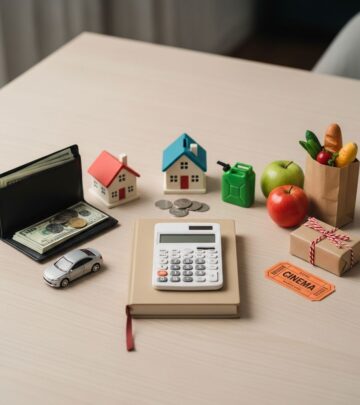
Below is a comprehensive list of cash envelope category ideas you can mix and match to design a system that fits your lifestyle. Your own setup might use only a portion of these, or combine several into broader envelopes.
| Category | What It Covers | Who It Suits Best |
|---|---|---|
| Groceries | Food, basic household supplies, cleaning products. | Almost everyone; a core envelope for variable spending. |
| Transportation | Gas, public transit fares, parking, occasional car washes. | Drivers, commuters, students. |
| Dining Out | Restaurants, takeout, coffee shops, fast food. | Anyone who eats out regularly or tends to overspend on convenience foods. |
| Entertainment & Fun | Movies, streaming rentals, outings, hobbies, small events. | Families, couples, or individuals prioritizing lifestyle balance. |
| Clothing | Everyday clothing, shoes, seasonal outerwear. | Those who like fashion or need regular updates for work/school. |
| Personal Care | Haircuts, grooming, toiletries, cosmetics, personal hygiene. | Anyone who prefers to separate self-care from groceries. |
| Household & Cleaning | Paper products, detergents, minor household supplies. | Useful for families or shared households. |
| Healthcare & Medical | Co-pays, prescriptions, over-the-counter medicine, minor procedures. | Those with regular medical expenses or high-deductible plans. |
| Kids & School | School supplies, field trips, small fees, kids’ activities. | Parents, guardians, or caregivers. |
| Pets | Pet food, grooming, toys, basic vet visits. | Pet owners who want to smooth out irregular pet costs. |
| Gifts & Holidays | Birthday gifts, holiday presents, cards, decorations. | Anyone wanting to avoid last-minute credit card use for gifts. |
| Vacation & Travel | Short trips, flights, hotels, gas for road trips, attractions. | Those prioritizing travel or planning a future getaway. |
| Emergency & Buffer | Small unexpected costs that do not fit other categories. | Everyone; acts as a cushion within the cash system. |
| Debt Payoff (Variable) | Extra cash to send toward credit cards, loans, or other debts. | Anyone focused on debt reduction. |
| Charity & Giving | Donations to charities, causes, or community groups. | Those who want giving to be a regular part of their budget. |
| Miscellaneous | Small purchases that do not fit neatly anywhere else. | Helpful as a catch-all to keep the rest of your system clean. |
Essential Envelope Categories For Most Households
While you can customize as much as you like, certain categories tend to appear in most envelope systems recommended by banks and educators.
1. Groceries
Groceries are one of the largest and most variable categories in many budgets. Using a dedicated envelope helps you:
- Plan meals based on what you can afford.
- Avoid impulse snacks and extra trips.
- See instantly how much you have left for the week or month.
2. Transportation
This can include gas, parking, tolls, ride-shares, or public transit passes. Because gas prices and usage can fluctuate, a transportation envelope helps smooth those swings.
3. Dining Out
Restaurants, takeout, coffee, and snacks on the go can easily derail a budget. Separating dining out from groceries makes it clear how much of your food spending is for convenience, helping you cut back if needed.
4. Entertainment
This covers movies, local events, nights out, subscriptions you pay in cash, and small fun purchases. A fixed entertainment envelope lets you enjoy yourself without guilt, as long as you stay within the limit.
5. Clothing And Personal Care
These categories keep wardrobe updates, haircuts, grooming, and cosmetics from quietly draining your main checking account. Some people use one combined envelope; others split them into separate envelopes.
Optional And Lifestyle-Specific Categories
Beyond the basics, you can design envelopes that fit your values and lifestyle. Some common options include:
Family And Children
- Kids’ Activities: Sports, music lessons, clubs, and events.
- Allowances: Cash set aside to give children as pocket money.
- Babysitting / Childcare: Occasional sitters, date-night care, or backup childcare.
Home And Life Management
- Home Maintenance: Minor repairs, tools, decor, and supplies.
- Subscriptions (Cash-based): Anything you prefer to prepay using cash.
- Technology: Small tech accessories or repairs you handle in cash.
Saving-Focused Envelopes
While long-term savings are often better kept in a bank account, some people use cash envelopes as visual tools for short- to medium-term goals, then deposit the money later.
- Emergency Fund Starter: A temporary envelope to build a small starter emergency fund before you move it to a savings account.
- Specific Savings Challenges: For example, a vacation savings envelope, holiday fund, or back-to-school fund.
- Big Purchase: Furniture, appliances, or electronics you want to pay for in cash.
Cash Envelopes Vs. Digital Envelopes
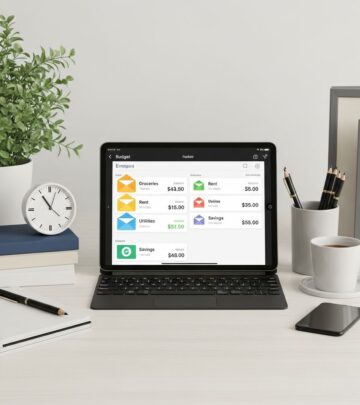
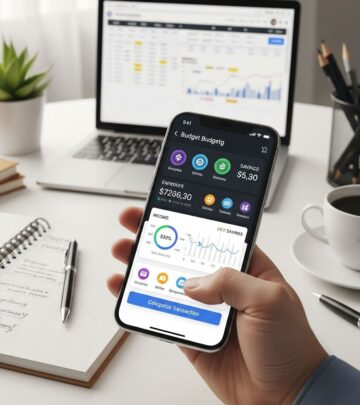
You do not have to use physical paper envelopes to benefit from the envelope budgeting concept. Many tools and banks support a virtual envelope or category-based system that mimics cash envelopes digitally.
Physical Cash Envelopes
- Pros: Very tangible, harder to ignore; excellent for people who overspend with cards; immediate visual feedback.
- Cons: Requires carrying cash, less convenient for online purchases, and may be less secure if envelopes are lost or stolen.
Digital Or App-Based Envelopes
- Pros: Convenient, integrates with bank accounts, useful for online spending, and easier to track history.
- Cons: Less tactile than cash; may not provide the same psychological impact for some users.
Tips For Succeeding With Cash Envelope Categories
Research on budgeting and consumer behavior shows that people tend to underestimate variable expenses and are more likely to overspend when paying with cards rather than cash. The envelope method is designed to counter those tendencies. To keep your categories effective over the long term, consider the following tips.
Start Simple And Iterate
- Begin with 5–8 main categories instead of dozens.
- Combine similar expenses (for example, “Fun” for entertainment, hobbies, and small treats).
- Track your spending for 2–3 cycles, then split or merge categories as needed.
Distinguish Needs From Wants
Envelope systems work best when you first cover essential needs and then assign what is left to discretionary categories like dining out or entertainment. Educational materials from banks emphasize ensuring basic expenses and minimum debt payments are covered before allocating money to non-essentials.
Use A Miscellaneous Or Buffer Envelope
Unexpected small expenses will always arise. A buffer or miscellaneous envelope can prevent you from dipping into long-term savings or using credit when that happens, while keeping your category structure tidy.
Review Your Categories Regularly
As your life changes—moving, a new job, children, or changing financial goals—your categories should change too. Revisit your envelope list at least every few months, and after any major life event, to make sure it still reflects reality.
Frequently Asked Questions (FAQs)
Q: How many cash envelope categories should I start with?
A: Many people find it easiest to begin with 5–10 core categories such as groceries, transportation, dining out, entertainment, clothing/personal care, and miscellaneous. You can always add more once you are comfortable managing the system.
Q: Should fixed bills like rent be part of my cash envelope system?
A: Fixed, predictable bills are often easier to pay electronically through your bank or biller. Envelope budgeting resources commonly suggest focusing cash envelopes on variable, discretionary expenses such as food, gas, and entertainment, while leaving fixed bills on automatic payment.
Q: What happens if an envelope runs out before the end of the month?
A: Once an envelope is empty, the idea is to stop spending in that category until your next budget period. If you truly need more in that area, you can move money from another envelope—but do it intentionally so you stay aware of the trade-off.
Q: Can I still use debit or credit cards with the envelope method?
A: Yes. Some people use physical cash only for their most problematic categories and continue to use cards for others. Others track “virtual envelopes” in a spreadsheet or budgeting app while paying mostly with cards, but they still respect the limits they set for each category.
Q: How do I handle online purchases with cash envelopes?
A: A common approach is to pay for the online purchase with your card, then immediately remove the equivalent cash from the related envelope and set it aside to deposit later or mark that the envelope balance has decreased. This keeps your budget accurate even when the transaction itself is digital.
References
- A Beginner’s Guide to Envelope Budgeting (Cash Stuffing) — Lunch Money. 2023-07-10. https://lunchmoney.app/blog/beginners-guide-to-envelope-budgeting-cash-stuffing
- Envelope Budgeting [Cash vs. Digital] — First Citizens Community Bank. 2023-06-15. https://www.firstcitizensbank.com/services-tools/tools/education-center/detail.html?title=envelope-budgeting-cash-vs-digital
- Dave Ramsey’s Envelope System Explained: Pros, Cons & FAQs — Debt.org. 2022-11-01. https://www.debt.org/advice/dave-ramseys-envelope-system-explained/
- What Is Cash Stuffing? Cash Envelope System Explained — Fidelity Investments. 2024-03-18. https://www.fidelity.com/learning-center/smart-money/cash-stuffing-envelope-budget
- Envelope Budgeting — Actual Budget Documentation. 2023-09-05. https://actualbudget.org/docs/getting-started/envelope-budgeting/
- The Top 10 Cash Envelope Categories — The Line Shop. 2022-08-30. https://thelineshop.ca/blogs/news/the-top-10-cash-envelope-categories
Similar Articles








Read full bio of Sneha Tete