Smart Budget Strategies for Wedding Dresses
Discover proven tactics to secure a stunning wedding gown without overspending, blending affordability with timeless elegance.
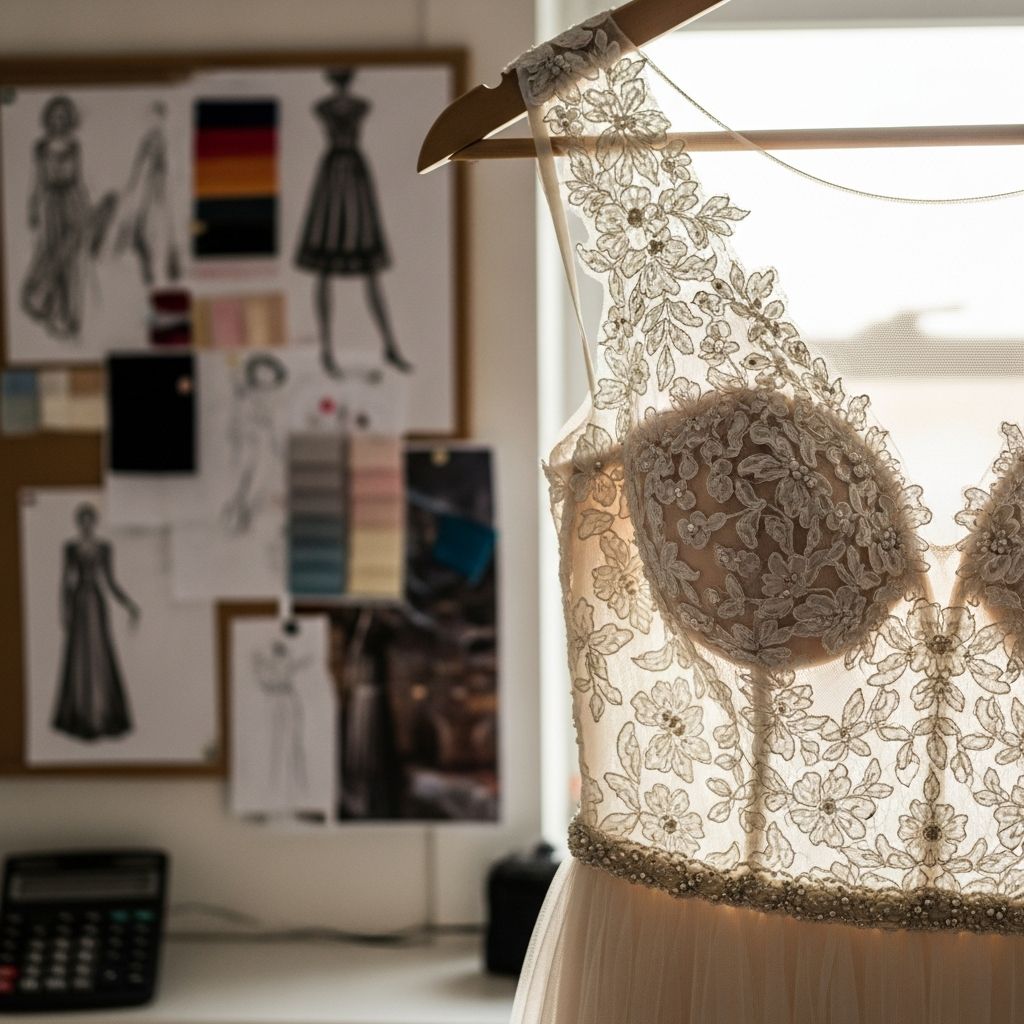
Planning a wedding involves numerous expenses, but the dress often stands out as a focal point of both excitement and financial concern. In 2026, with rising costs across industries, brides can still find high-quality gowns without breaking the bank by adopting strategic approaches to shopping and selection.
Understanding Current Pricing Realities
The landscape of bridal fashion has evolved, with average wedding dress prices in the U.S. hovering between $1,500 and $2,500. This range accounts for mid-tier designer pieces available at boutiques and reputable online retailers. Budget options start as low as $500 for off-the-rack styles, while luxury couture can exceed $4,000. Factors like fabric quality, embellishments, and construction complexity drive these variations. For instance, gowns featuring intricate beading or layered ball gown skirts demand more materials and labor, pushing prices toward the higher end.
Brides should anticipate additional costs beyond the base price. Alterations typically run $400 to $800, depending on the gown’s design—simple sheaths may need minimal adjustments, whereas detailed lace pieces require expert handling. Accessories such as veils, shoes, and jewelry can add several hundred dollars, often matching or exceeding 20% of the dress cost if not planned carefully.
| Category | Average Cost Range (2026) | Key Influences |
|---|---|---|
| Budget/Off-the-Rack | $500–$1,500 | Simple fabrics, ready-to-wear |
| Mid-Range Designer | $1,500–$4,000 | Custom fits, moderate detailing |
| Luxury/Couture | $4,000+ | Premium materials, handcrafting |
| Alterations | $400–$800 | Complexity of design |
Establishing a Realistic Financial Plan
Start by setting a clear budget that reflects your priorities. Experts recommend a minimum of $2,000 for quality options that offer structure, fit, and durability suitable for your special day. This baseline ensures access to gowns with proper bodices and skirts, avoiding lower-end pieces that may lack in craftsmanship.
- Assess your total wedding budget and allocate 8-10% to attire.
- Factor in hidden fees like preservation ($200-500) and steaming.
- Build in a 10-15% buffer for unexpected alternations or upgrades.
Consult with bridal stylists early; many boutiques like those curating $1,700-$4,500 ranges can tailor recommendations to your limit. This focused approach prevents falling for unattainable styles and streamlines the shopping process.
Leveraging Sales and Timing for Discounts
Timing is crucial for savings. Trunk shows and sample sales offer 20-50% off retail prices on floor models or limited-stock designer pieces. These events feature new collections at reduced rates, ideal for brides flexible on size since samples often require alterations anyway.
Seasonal promotions around holidays or end-of-year clearances provide further opportunities. Follow boutique social media and newsletters for alerts on flash sales or pop-up events. Off-season shopping—late summer or fall—yields deals as shops rotate inventory.
Exploring Pre-Owned and Rental Options
Second-hand markets have boomed, with platforms and consignment shops offering gently worn gowns at 40-70% less than original prices. Designer dresses under $1,500 are common, especially for 2025-2026 styles still in vogue. Verify condition and seller reputation to ensure quality.
Rentals suit destination weddings or low-key ceremonies, costing $300-1,000 for high-end looks. This model allows access to luxury without long-term ownership, perfect for reusing elements like veils on consignment.
Embracing Minimalist and Timeless Designs
Minimalist dresses are surging in popularity for 2026, prioritizing clean lines and quality fabrics over heavy embellishments. These gowns cost less due to simpler construction—think silk slips or crepe A-lines—yet deliver sophisticated elegance. Savings from reduced beading free up funds for heirloom jewelry or custom shoes.
Opt for timeless silhouettes like sheath or fit-and-flare over fleeting trends. Stylish, non-trendy choices maintain resale value and versatility for future events. Online boutiques showcase affordable high-end looks under $1,000, blending lace fantasies with custom fits.
Online Shopping and Direct-to-Consumer Savings
E-commerce has revolutionized bridal access, with sites offering factory-direct gowns that mimic couture at fraction of costs. Look for pieces like romantic lace dresses or regal minis priced $500-1,200, complete with fast shipping. Read reviews, check return policies, and use virtual try-on tools to minimize risks.
- Prioritize brands with transparent sizing and fabric details.
- Compare across 3-5 sites for best deals.
- Budget for potential local alterations post-purchase.
Accessories and Styling on a Dime
Accessories amplify your gown without inflating costs. Consignment veils or family heirlooms slash expenses—often matching dress prices if bought new. Thrift or rent shoes and jewelry for one-day glamour.
Undergarments and shapewear, essential for fit, range $50-200; invest in versatile pieces reusable beyond the wedding.
Negotiation and Boutique Perks
Don’t hesitate to negotiate, especially during sales or for bundled services. Boutiques may throw in steaming or minor alterations. Loyalty programs or referrals yield credits.
Potential Pitfalls to Avoid
Steer clear of impulse buys or ignoring total ownership costs. Rushed orders incur rush fees ($100-300), and trendy picks depreciate faster. Always trial walk in your gown to confirm comfort.
FAQs
What is the average wedding dress cost in 2026?
Around $1,500-$2,500 for quality mid-range gowns, plus $400-800 for alterations.
Can I find designer dresses under $1,500?
Yes, via sample sales, pre-owned markets, or online affordable lines mimicking high-end styles.
Are minimalist dresses a good budget choice?
Absolutely—they’re cheaper to produce and eternally stylish, saving on embellishments.
How much should I budget for accessories?
Plan $300-600, but save via consignment or rentals.
Is renting a wedding dress worthwhile?
For short-use scenarios, yes—savings up to 70% on luxury looks.
References
- Wedding Dress Shopping in 2026: Setting a Realistic Budget for the Best Experience — Platinum Bridal Colorado. 2026. https://www.platinumbridalcolorado.com/post/wedding-dress-shopping-in-2026-setting-a-realistic-budget-for-the-best-experience
- How Much Does a Wedding Dress Cost in 2026? — Hand Me Gowns Bridal. 2026. https://www.handmegownsbridal.com/blog/how-much-should-a-wedding-dress-cost
- Finding Your Dream Wedding Dress in Grand Rapids on a Realistic Budget — Riverbend Estate Venue. 2026. https://riverbendestatevenue.com/finding-your-dream-wedding-dress-in-grand-rapids-on-a-realistic-budget/
- The Rise of Minimalist Wedding Dresses: Why Less is More in 2026 — Belle Amour Bridal. 2026. https://www.belleamourbridal.com/blog/the-rise-of-minimalist-wedding-dresses-why-less-is-more-in-2026
- 10 Affordable Wedding Dresses That Look High-End in 2026 — Ismatyra. 2025-11-25. https://ismatyra.com/2025/11/25/10-affordable-wedding-dresses-that-look-high-end-in-2026/
Similar Articles








Read full bio of Sneha Tete