Small Business Scams: 10 Ways To Spot And Avoid Losses
Protect your small business from costly scams like fake invoices, phishing attacks, and directory fraud with proven prevention strategies.

Small businesses face a relentless barrage of scams designed to exploit their limited resources and trust. From phishing emails mimicking banks to fake invoices slipping into accounts payable, these schemes cost U.S. businesses billions annually. According to the Federal Trade Commission, fake invoices and advertising scams rank among the top cybercrimes targeting small enterprises. This article breaks down the most prevalent threats, how they operate, real-world examples, and actionable steps to protect your livelihood. By staying vigilant, you can avoid devastating losses and keep your focus on growth.
Why Small Businesses Are Prime Targets
Scammers love small businesses because they often lack dedicated security teams, robust verification processes, or the time to scrutinize every communication. The FBI reports that business email compromise (BEC) scams alone resulted in over $2.9 billion in losses in 2023, with small firms hit hardest due to quicker decision-making under pressure. Owners juggle multiple roles, making it easy for fraudsters to impersonate vendors or authorities. Common vulnerabilities include outdated software, untrained staff, and reliance on email for transactions. Prevention starts with education: train employees to question unsolicited requests and verify via official channels.
1. Phishing Schemes and Business Email Compromise
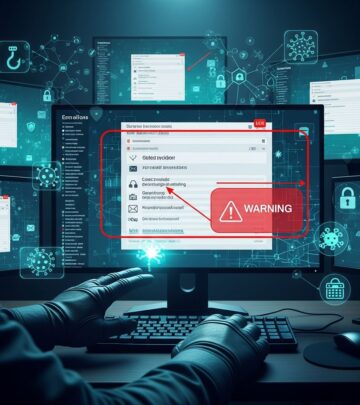
Phishing remains the gateway to more sophisticated attacks. Scammers send emails posing as trusted contacts—your bank, IRS, or supplier—urging urgent action like clicking a link or sharing credentials. Business Email Compromise (BEC) takes it further: fraudsters spoof executive emails requesting wire transfers or gift cards. The FBI notes BEC as the fraud type causing the most losses in the U.S..
- How it works: Email claims account compromise; link leads to fake site harvesting login details.
- Red flags: Urgent language, mismatched sender domains, generic greetings.
- Example: Fake IRS audit notice demanding immediate payment via wire.
To combat this, implement multi-factor authentication (MFA), use email filters, and verify requests by phone using known numbers. The FDIC warns that account takeover via phishing is the most dangerous scam for small businesses.
2. Fake Invoices and Unsolicited Supplies
Fake invoices are a staple scam, billing for un-ordered goods like office supplies or ads. The U.S. Federal Trade Commission identifies them as one of the top cybercrimes for small businesses. Scammers research your vendors to mimic legitimate bills, slipping them into busy AP workflows.
- Tactics: Overpriced toner “reminders” from fake suppliers or bills for non-existent directories.
- Legal note: FTC rules allow keeping unordered merchandise as a free gift.
- Prevention: Require purchase orders for all buys; match invoices to deliveries.
Accounting software flagging new vendors helps, but staff training is key. In 2024, these scams surged with AI-generated realistic invoices.
3. Directory and Advertising Scams
Con artists pose as directories (e.g., fake Yellow Pages) seeking “confirmation” of your listing, then bill exorbitantly. These plague businesses for decades, often via fax or email promising exposure that never materializes. Advertising variants charge upfront for phantom mailings or online ads.
| Scam Type | Description | Avoidance Tip |
|---|---|---|
| Directory Listing | Confirmation call leads to bill for non-existent book | Never confirm verbally; hang up and research |
| Advertising | Upfront payment for fake coupon books | Verify with BBB before paying |
| Business Review | Fake Google review update scam | Use official portals only |
FTC data shows these alongside fake invoices as rampant. Always get written agreements and check sender legitimacy.
4. Account Takeover and Bank Fraud
Once credentials are phished, scammers log into your bank for transfers. FDIC’s Michael Benardo calls it the most common and dangerous scam. Malware like keystroke loggers captures passwords via fake sites.
- Signs: Unauthorized logins, unfamiliar transactions.
- Protection: Monitor alerts, use unique passwords, enable transaction limits.
Business Email Compromise variants target bill-payers, posing as CEOs for wires. Verify verbally every high-value request.
5. Utility and Service Shutdown Threats
Fraudsters call claiming overdue bills for power or internet, demanding instant payment via card to avoid cutoff. Legitimate providers send written notices first. Panic drives compliance.
- How to spot: No prior warnings, payment demands over phone.
- Action: Call provider using bill number to confirm.
This preys on operational fears; small businesses can’t afford downtime.
6. Fake Check and Overpayment Scams
Scammers send counterfeit checks exceeding payment, asking for refunds. By deposit time, the check bounces, leaving you liable. Common in freelance or sales scenarios.
- Variant: Overpayment for goods, refund via wire.
- Rule: Wait 10+ days for clearance; use secure payments.
PlainsCapital Bank advises secure check printing.
7. Loan and Grant Fraud
Posing as SBA or banks, scammers offer loans for fees or data. They spoof emails promising government-backed funds. Report to SBA Inspector General.
- Prevention: Apply only via official sites; never pay upfront.
Spike post-pandemic; verify all offers.
8. Visitor and Physical Scams
Unsolicited “repairmen” swap equipment or steal during visits. Slip-and-fall insurance claims target premises.
- Measures: Screen visitors, install cameras, sufficient insurance.
Dashboard cams deter staged accidents.
9. Payroll and Accounts Payable Fraud
Internal: Employees fake invoices via shells. External: “Long firm” builds trust then ghosts large orders.
- Checks: Trade references, verify history.
Segregate duties in AP.
10. Social Media and Identity Theft
Fake profiles solicit quotes with odd payments; influencers demand fees for promo. Identity hijacks tarnish reputation via clone sites.
- Tips: Ignore unsolicited DMs; secure profiles.
Monitor for imposters regularly.
General Prevention Strategies
Build a fraud-resistant culture:
- Educate staff quarterly on scams.
- Use antivirus, MFA, VPNs.
- Implement vendor approval processes.
- Monitor finances daily; set alerts.
- Report incidents to FTC at ReportFraud.ftc.gov and local authorities.
According to experts, proactive education halves risk.
Frequently Asked Questions (FAQs)
What should I do if I receive a suspicious invoice?
Do not pay. Verify with the supposed vendor using contact info from your records, not the invoice. Shred if fake.
How can I protect against BEC scams?
Verify wires verbally or in-person; use payment gateways with approval gates.
Is it legal to keep unordered merchandise?
Yes, per FTC: treat as a free gift.
What if scammers threaten service cutoff?
Hang up; call provider directly from bill or website.
How do I report business scams?
File with FTC, FBI IC3, and your bank immediately for recovery chances.
References
- 10 Common Scams Targeting Small Businesses — InCorp. 2023. https://www.incorp.com/help-center/business-articles/top-scams-targeting-small-business
- Top 10 Scams Targeting Small Businesses — ANB Bank. 2024-05-15. https://www.anbbank.com/online-security/business-security-news/top-10-scams-targeting-small-businesses
- The Most Common Frauds in Small Business — GoCardless. 2024. https://gocardless.com/en-us/guides/posts/the-most-common-frauds-in-small-business/
- Small Business Cybersecurity: 5 Common Scams & How to Avoid — Discover Global Network. 2024-03-20. https://insights.discoverglobalnetwork.com/insights/small-business-cybersecurity-avoid-common-scams
- 7 Small Business Scams to Look Out For — Fulton Bank. 2024. https://www.fultonbank.com/Education-Center/Small-Business/7-Small-Business-Scams-to-Look-Out-For
- Common Business Fraud Scams — PlainsCapital Bank. 2023-11-10. https://plainscapital.com/common-business-fraud-scams/
Similar Articles








Read full bio of medha deb