Small Business Marketing Ideas: 2025 Strategies & Tactics
Discover proven marketing strategies and affordable tactics to grow your small business in 2025.
In today’s competitive landscape, small businesses need innovative and cost-effective marketing strategies to stand out. Whether you’re just starting out or looking to expand your reach, the right marketing approach can significantly impact your bottom line. This comprehensive guide covers the most effective small business marketing ideas, from leveraging artificial intelligence to building authentic community relationships, all designed to help you attract customers and drive sustainable growth.
Digital Marketing Ideas for Small Businesses
Digital marketing has become essential for small businesses looking to expand their reach beyond local boundaries. These strategies are often affordable and can deliver measurable results when executed properly.
Content Marketing and Blogging
Creating valuable content through blog posts, articles, and guides establishes your business as an industry authority. Write blog posts that answer common customer questions, address pain points, and provide solutions. This approach not only attracts organic traffic through search engines but also builds trust with your audience. Consider publishing original research, case studies, or industry insights that showcase your expertise and provide genuine value to readers.
Video Marketing Strategies
Short-form video content has emerged as one of the dominant forces in digital marketing for 2025. Platforms like YouTube, TikTok, and Instagram Reels offer opportunities to create engaging, shareable content that resonates with audiences. You can post product demonstrations, behind-the-scenes glimpses, customer testimonials, or educational content. Video marketing not only increases engagement but also improves your visibility in search results and social media feeds.
Email Marketing and Newsletters
Email remains one of the most effective marketing channels for small businesses. Build an engaged email list by offering exclusive deals, early access to new products, or valuable content. Send a weekly newsletter featuring industry news, tips, product updates, and special offers. Use AI-driven email marketing platforms to personalize messages at scale, ensuring each subscriber receives content relevant to their interests and purchasing behavior.
Search Engine Optimization (SEO)
Optimize your website content for search engines by using natural language and question-based keywords. Implement technical SEO best practices, build quality backlinks, and create valuable content that addresses user intent. Strong SEO ensures your business appears in search results when potential customers are actively looking for your products or services.
Guest Posting and Press Releases
Expand your reach by contributing guest posts to established industry publications and blogs. Submit press releases for significant company announcements, new product launches, or milestones. These strategies build backlinks, establish credibility, and introduce your business to new audiences.
Social Media Marketing Strategies
Social media provides affordable channels for building brand awareness, engaging with customers, and driving sales. In 2025, authenticity and community-building are essential for success.
Leveraging Social Commerce
Social media platforms like Instagram, Facebook, and TikTok now offer integrated shopping features, transforming them into direct sales channels. Set up shoppable posts, product catalogs, and storefront features on these platforms. Host live-stream shopping events to showcase products in real-time and create a sense of urgency. This seamless shopping experience reduces friction and increases conversion rates.
Short-Form Video Content
Create engaging short-form videos for Instagram Reels and TikTok. These platforms prioritize video content and offer excellent organic reach opportunities. Keep videos concise, entertaining, and aligned with your brand voice. Use trending sounds, hashtags, and formats to maximize visibility and engagement.
User-Generated Content (UGC)
Approximately 40% of US shoppers consider user-generated content important or extremely important to their purchasing decisions. Encourage customers to share photos, videos, and testimonials of your products. Repost this content on your channels, creating authentic social proof that builds trust with potential customers. Run campaigns that incentivize sharing, such as contests or hashtag campaigns.
Influencer Partnerships
Partner with local and niche influencers who have highly engaged audiences. Micro-influencers often deliver higher engagement and authenticity than larger creators, making them ideal for small businesses with limited budgets. Focus on long-term collaborations rather than one-off campaigns to build genuine relationships with influencers and their audiences.
Community Engagement and Brand Advocacy
Build a strong brand community by fostering genuine connections with customers. Implement referral programs that reward customers for recommending your business to others. Create exclusive communities or groups for loyal customers. Encourage customer participation through polls, questions, and discussions. This community-driven approach transforms satisfied customers into vocal advocates who organically promote your brand.
Local Marketing Strategies
For businesses serving specific geographic areas, local marketing strategies are crucial for attracting nearby customers and building community presence.
Google Business Profile Optimization
Ensure your Google Business Profile is complete, accurate, and regularly updated. Include your business address, phone number, hours of operation, website, photos, and services. Encourage customers to leave reviews and actively engage with them. A well-maintained profile significantly improves your visibility in local search results and on Google Maps.
Geotargeted Advertising
Use geotargeted ads to reach customers in your service area. Platforms like Google Ads and Facebook allow precise location targeting, ensuring your marketing budget reaches people most likely to visit your physical location or use your services.
Local Community Involvement
Attend local events, sponsor community teams, and participate in neighborhood initiatives. Sponsor local events and teams to build brand visibility and demonstrate commitment to your community. Create local landing pages tailored to specific neighborhoods or regions. Use local hashtags and geotags on social media to increase discoverability within your area.
AI-Powered Marketing Solutions
Artificial intelligence is becoming increasingly accessible to small businesses, offering powerful tools for automation, personalization, and optimization.
AI-Driven Personalization
AI enables hyper-personalization at scale by analyzing customer data to deliver tailored experiences. Use AI to generate personalized product recommendations based on browsing history and purchase behavior. Create segmented email campaigns targeting specific customer groups. Implement dynamic website content that adapts based on visitor preferences and behavior. This personalization significantly improves engagement and conversion rates.
Chatbots and Customer Service Automation
Implement AI-powered chatbots on your website and social media platforms to provide instant responses to common customer questions. Chatbots enhance customer service efficiency, reduce response times, and improve customer satisfaction. They handle routine inquiries, allowing your team to focus on more complex issues.
AI-Powered Content and Ad Optimization
Use AI tools to generate content ideas, drafts, and designs, though always add human oversight for final edits. AI-driven design tools help create quick, visually appealing graphics. Test AI-powered ad platforms that automatically optimize budgets in real-time for the best performance. AI analytics tools help identify trends in customer behavior and campaign performance.
Cost-Effective Marketing Strategies
Small businesses often operate with limited budgets, making cost-effective strategies essential. Many affordable marketing ideas focus on leveraging existing resources and digital tools.
Strategic Partnerships
Partner with complementary small businesses to co-market products or services. Cross-promote to each other’s audiences, reducing marketing costs while expanding reach. Collaborate on joint promotions, webinars, or content projects.
Customer Feedback and Testimonials
Collect customer feedback through surveys, reviews, and direct communication. Ask satisfied customers for testimonials and case studies that showcase your value. Positive reviews on platforms like Google, Yelp, and industry-specific sites build credibility and influence purchasing decisions.
Branded Business Collateral
Create a memorable visual identity through consistent branding. Design professional business cards, letterheads, and other collateral that reflect your brand personality. A strong visual identity makes your business memorable and professional.
Publicity Stunts and Creative Campaigns
Generate buzz through creative and unusual marketing tactics. Enter business award competitions to gain recognition and credibility. Attempt to break world records or create novelty products that generate media coverage. These attention-grabbing tactics create viral moments and memorable brand experiences.
Emerging Technologies and Trends
Voice Search Optimization
As voice-activated devices become more common, optimize your content for voice search. Use natural language, conversational keywords, and question-based phrases. Implement structured data markup and ensure your website is mobile-friendly. Voice-friendly advertising formats like audio ads on podcasts and smart speakers also offer new promotional opportunities.
Augmented and Virtual Reality
Explore AR and VR technologies for innovative customer experiences. Implement AR shopping features like virtual try-ons for fashion and home decor. Create interactive quizzes or assessments to help customers find the right products. Develop VR experiences for product showcases, virtual events, or immersive storytelling that engages customers in new ways.
Omnichannel Integration
Create seamless experiences across all customer touchpoints by integrating online and offline channels. Connect in-store promotions with email campaigns. Use QR codes to bridge physical and digital worlds. Consistency across channels builds brand loyalty and enhances customer satisfaction.
Creating a Comprehensive Marketing Plan
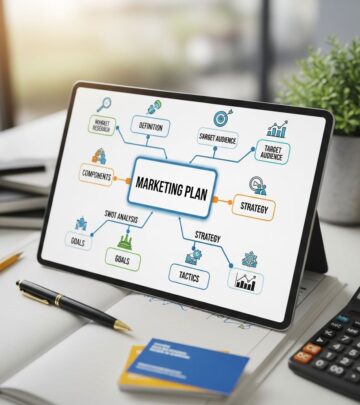
Successful marketing requires a structured approach. Use a marketing plan template to ensure you cover all essential elements.
Setting Clear Goals
Define specific, measurable, attainable, relevant, and time-bound (SMART) objectives. Examples include increasing brand awareness by 25%, driving 1,000 new website visitors monthly, or increasing sales by 15%. Clear goals guide your strategy and provide benchmarks for measuring success.
Developing Strategies and Tactics
Outline the specific tactics and channels you’ll use to achieve your goals. Decide whether you’ll focus on social media marketing, email campaigns, content creation, paid advertising, or a combination of approaches. Align tactics with your target audience’s preferences and behaviors.
Budget and Timeline
Establish a realistic marketing budget and timeline for implementation. Allocate resources based on channel effectiveness and growth potential. Create a timeline that staggeres campaigns and ensures consistent execution throughout the year.
Performance Measurement
Define key performance indicators (KPIs) to track campaign success and evaluate return on investment (ROI). Monitor metrics like website traffic, conversion rates, email engagement, social media reach, and customer acquisition cost. Regularly review performance data and adjust strategies based on results.
Customer Retention and Engagement
Keeping existing customers engaged with special promotions and new offerings is critical to small business growth. When customers feel truly supported, they’re likely to invest in additional offerings. Focus on creating an email list to maintain customer relationships, share new products, and announce sales. Develop loyalty programs that incentivize repeat purchases and referrals.
First-Party Data and Privacy Compliance
As third-party cookies phase out, businesses must shift to first-party data collection. Build strong customer relationships through direct engagement. Encourage email and SMS opt-ins by offering exclusive deals or early access to new products. Use website analytics to track user behavior and improve marketing efforts. This approach maintains compliance with privacy regulations while enabling effective personalization.
Frequently Asked Questions
Q: What are the most affordable marketing strategies for small businesses?
A: The most affordable strategies include creating valuable blog content, leveraging social media organically, building an email list, optimizing your Google Business Profile, and partnering with complementary businesses. These tactics require minimal financial investment but demand consistent effort and creativity.
Q: How can small businesses compete with larger competitors in marketing?
A: Small businesses can compete by focusing on authenticity, building genuine community relationships, leveraging micro-influencers, targeting niche audiences, and providing exceptional customer experiences. Their size allows for more personalized interactions and agility in responding to market trends.
Q: Which marketing channels should small businesses prioritize?
A: The best channels depend on your target audience and business type. Most small businesses benefit from email marketing, social media (especially short-form video), local SEO, and content marketing. Test different channels and focus resources on those delivering the best ROI.
Q: How often should I post on social media as a small business?
A: Consistency matters more than frequency. Plan your content using a social media calendar, ensuring posts are staggered and aligned with relevant dates or events. Most small businesses succeed with 3-5 posts weekly, though quality and engagement are more important than quantity.
Q: How can I measure the success of my marketing efforts?
A: Track key metrics including website traffic, conversion rates, email open rates, social media engagement, customer acquisition cost, and revenue generated. Use analytics tools to monitor these KPIs and adjust strategies based on data. Compare results against your SMART goals to evaluate effectiveness.
Q: Is influencer marketing worth it for small businesses?
A: Yes, especially when partnering with micro-influencers who have engaged niche audiences. Micro-influencers deliver higher authenticity and engagement rates than larger influencers, making them ideal for small business budgets. Focus on long-term partnerships rather than one-off collaborations.
References
- The Top 13 Marketing Trends for Small Businesses in 2025 — Salesforce Marketing Cloud. 2025. https://marketing.sfgate.com/blog/the-top-marketing-trends-for-small-businesses
- 45 Marketing Ideas for Small Businesses (2025) — Shopify. 2025. https://www.shopify.com/blog/marketing-ideas
- 10 Effective Marketing Strategies for 2025 — Park University. 2025. https://www.park.edu/blog/effective-marketing-strategies/
- Mastering Small Business Marketing: A Comprehensive Guide — Wix. 2025. https://www.wix.com/blog/small-business-marketing
- Small Business Growth Strategies for 2025 — U.S. Chamber of Commerce. 2025. https://www.uschamber.com/co/start/strategy/best-small-business-growth-strategies
- Marketing and Sales — U.S. Small Business Administration. 2025. https://www.sba.gov/business-guide/manage-your-business/marketing-sales
- Low-Cost Marketing Strategies for New Entrepreneurs — American Public University System. 2025. https://www.apu.apus.edu/area-of-study/business-and-management/resources/low-cost-marketing-strategies-for-new-entrepreneurs/
Similar Articles








Read full bio of medha deb