Small Business Loans Explained
Discover essential types of small business loans, eligibility criteria, application processes, and strategies to secure funding for growth.

Small business loans provide essential capital for startups and established companies to cover expenses, expand operations, or manage cash flow challenges. These financing options vary widely in structure, terms, and suitability, allowing entrepreneurs to select based on specific needs like purchasing equipment or bridging invoice payment gaps.
Why Small Businesses Need Financing
Entrepreneurs often face funding gaps for growth initiatives, unexpected costs, or seasonal fluctuations. Loans offer a structured way to access funds without diluting ownership, unlike equity investments. Key uses include inventory purchases, hiring staff, marketing campaigns, or facility upgrades. According to financial analyses, businesses leveraging appropriate loans can achieve faster scaling while maintaining control.
Traditional banks provide competitive rates for qualified applicants, while alternative lenders offer speed for those with shorter histories. Understanding loan mechanics helps avoid high costs and ensures alignment with business goals.
Core Types of Small Business Loans
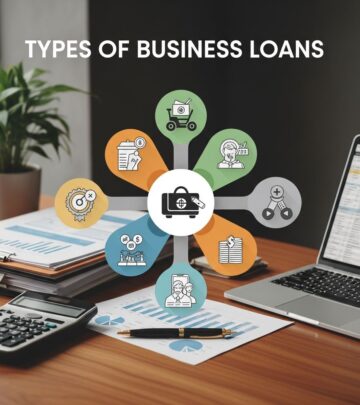
Several loan categories dominate the market, each tailored to distinct scenarios. Here’s an overview of the primary options.
Term Loans: Fixed Funding for Major Projects
Term loans deliver a lump sum repaid in fixed monthly installments over a set period, typically 1-10 years. They suit one-time expenses like expansions or large equipment buys. Banks often require 2+ years in business and credit scores above 690 for optimal rates.
Shorter terms (under 5 years) carry higher rates but quicker payoff; longer ones lower payments but more interest overall. Average amounts reach $663,000, per Federal Reserve data, supporting significant investments.
Business Lines of Credit: Flexible Cash Access
Unlike term loans, lines of credit function like revolving accounts, letting businesses draw funds up to a limit as needed and pay interest only on used amounts. Ideal for ongoing expenses or emergencies, they renew after repayment.
Qualifications mirror term loans but emphasize cash flow. Limits range from small to large, with variable rates tied to benchmarks like prime.
SBA Loans: Government-Backed Reliability
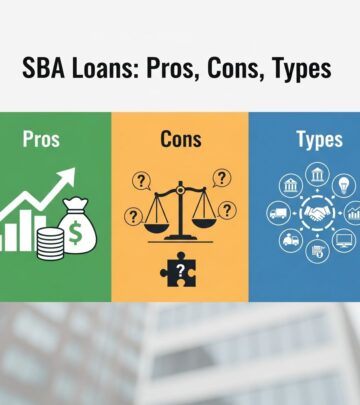
The U.S. Small Business Administration (SBA) guarantees portions of loans through approved lenders, reducing risk and enabling better terms. Popular for their low rates and long maturities, they target businesses unable to secure conventional financing.
| SBA Loan Type | Max Amount | Best For | Term Length |
|---|---|---|---|
| 7(a) Loan | $5 million | Working capital, refinancing | Up to 25 years |
| 504 Loan | $5.5 million | Fixed assets like real estate | 10-25 years |
| Microloan | $50,000 | Startups, small needs | Up to 6 years |
| Express Loan | $500,000 | Fast funding | Up to 10 years |
SBA 7(a) loans, the most common, cover diverse purposes with guarantees up to 85% for smaller amounts. Processing takes 1-2 months, but rates are negotiable below SBA caps.
Microloans: Support for Emerging Ventures
Microloans provide $500-$50,000 for startups or underserved businesses, often via nonprofits or SBA intermediaries. They fund inventory, supplies, or working capital with terms up to 6 years. Less stringent than bank loans, they’re perfect for new owners.
Equipment Financing: Asset-Secured Purchases
These loans finance machinery or vehicles, using the equipment as collateral. Terms match asset life (3-7 years), with amounts from medium to large. Lenders recover value if default occurs, enabling approvals for weaker credit profiles.
Invoice-Based Financing: Cash from Receivables
Invoice factoring sells unpaid invoices to a factor for immediate cash (70-90% advance), while financing loans against them without transfer. Suited for B2B firms with slow-paying clients, providing quick liquidity.
Merchant Cash Advances: Sales-Driven Funding
Advances repay via daily/weekly credit card sales percentages, not fixed payments. High fees suit high-volume retailers unable to qualify elsewhere, but costs can exceed 50% effective APR.
Qualification Factors Lenders Evaluate
Lenders assess creditworthiness through:
- Business Credit Score: Above 700 ideal; reflects payment history.
- Personal Credit: FICO 680+ for most; startups rely heavily here.
- Time in Business: 6 months minimum; 2 years preferred.
- Revenue/Cash Flow: Consistent income proves repayment ability.
- Collateral: Assets secure larger loans, especially SBA.
Prepare financial statements, tax returns, and business plans. Strong profiles unlock bank rates (6-10%); alternatives charge 10-50%.
Application Process Step-by-Step
- Assess Needs: Calculate exact amount and purpose.
- Check Credit: Review business/personal scores; fix errors.
- Gather Documents: Projections, bank statements, legal papers.
- Research Lenders: Compare rates/terms via marketplaces.
- Submit Application: Online or in-branch; expect 24-90 days.
- Underwriting Review: Verify info; may require more data.
- Closing/Funding: Sign agreements; funds deposit promptly.
SBA paths involve lender pre-approval first.
Costs and Repayment Considerations
Expect origination fees (1-5%), rates from 6% (SBA/banks) to 99% (advances). Fixed vs. variable rates affect budgeting—fixed offer predictability.
| Loan Type | Avg. Rate Range | Fees |
|---|---|---|
| Term Loan | 6-25% | 1-6% |
| SBA 7(a) | 7-11% | 2-3.5% |
| Line of Credit | 8-60% | 0-2% |
| MCA | 20-100%+ factor | Minimal |
Early repayment penalties apply to some; review terms carefully.
Pros and Cons Comparison
| Type | Pros | Cons |
|---|---|---|
| Term Loans | Low rates, large sums | Strict quals, fixed commitment |
| Lines of Credit | Flexibility, interest only on use | Variable rates, draw limits |
| SBA Loans | Favorable terms, guarantees | Lengthy process |
| Microloans | Accessible for new biz | Small amounts, higher rates |
Alternatives to Traditional Loans
Business credit cards cover small expenses (rewards possible). Personal loans suit sole proprietors with strong credit. Grants or crowdfunding avoid repayment but are competitive.
Strategies for Approval Success
- Build credit proactively with vendor accounts.
- Boost revenue via sales before applying.
- Use loan marketplaces for multiple quotes.
- Start small to establish lender relationships.
- Consult advisors for SBA navigation.
Frequently Asked Questions (FAQs)
What credit score is needed for a small business loan?
Typically 680+, but alternatives accept lower with strong revenue.
How long does SBA funding take?
30-90 days; Express options faster at 36 hours review.
Can startups get loans?
Yes, via microloans, personal credit, or online lenders.
What’s the difference between factoring and financing?
Factoring sells invoices; financing borrows against them.
Are there fees beyond interest?
Yes, origination, guarantee, and prepayment fees common.
Choosing the Right Loan for Your Business
Match loan type to purpose: term/SBA for big investments, lines for flexibility, invoice options for B2B cash flow. Evaluate total cost, not just rates. Consult professionals to align with long-term strategy.
References
- 10 Types of Business Loans: Which Is Right for You? — NerdWallet. 2023-2024. https://www.nerdwallet.com/business/loans/learn/types
- 9 Types Of Business Loans For Small Business Owners — Bankrate. 2023-2024. https://www.bankrate.com/loans/small-business/types-of-business-loans/
- 11 Types of Small Business Loans and How They Work — Lendio. 2023-2024. https://www.lendio.com/guides/types-small-business-loans
- Different Types of Small Business Loans from Banks — Sunflower Bank. 2023-2024. https://www.sunflowerbank.com/about-us/resource-articles/different-types-of-small-business-loans-from-banks
- SBA vs. Conventional Loan Solutions: A Simple Comparison — Oak Street Funding. 2023-2024. https://www.oakstreetfunding.com/blog/sba-conventional-loan-solutions
- Understanding Different SBA Loan Types — Regions Bank. 2023-2024. https://www.regions.com/insights/small-business/article/types-of-sba-loans
- Types of 7(a) loans — U.S. Small Business Administration. 2024-10-01. https://www.sba.gov/partners/lenders/7a-loan-program/types-7a-loans
Similar Articles








Read full bio of Sneha Tete