Slippage in Trading: Definition, Causes, and Mitigation
Understanding slippage: the gap between expected and actual trade execution prices.

What Is Slippage?
Slippage is the difference between the price at which a trader expects to execute a trade and the actual price at which the trade is ultimately executed. This phenomenon occurs across various financial markets, including stocks, forex, and cryptocurrencies, and represents one of the most common challenges faced by both novice and experienced traders. When a trader places an order to buy or sell a security, they anticipate execution at a specific price point. However, due to the dynamic nature of financial markets, the actual execution price often differs from the expected price, resulting in slippage.
Slippage is an unavoidable aspect of trading that traders must understand and account for in their trading strategies. The magnitude of slippage can vary significantly depending on market conditions, the type of order placed, and the volume of shares being traded. Understanding what slippage is and how it occurs is fundamental to developing effective risk management practices and realistic profit expectations.
How Slippage Occurs
Slippage primarily occurs due to two main factors: market volatility and market liquidity. When the stock market is constantly changing, orders may not execute at the anticipated price because market conditions shift between the time an order is placed and the time it is executed. Even in the span of a few seconds, significant price movements can occur, particularly in fast-moving markets.
Market volatility creates an environment where prices can move rapidly in unexpected directions. During periods of high volatility, traders may experience substantial slippage as prices fluctuate dramatically between order placement and execution. When traders place market orders during volatile periods, they accept whatever price is available at the moment of execution, which may be significantly different from the quoted price at the time they initiated the order.
Low market liquidity also contributes substantially to slippage. In markets with low liquidity, there are fewer buyers and sellers available to execute trades at the desired price. When an investor places a large volume order and there isn’t sufficient demand or supply at that price level, the broker must execute the order at alternative price levels to complete the transaction. This time gap between placing an order and finding a counterparty willing to execute it at the desired price creates opportunities for price movement and subsequent slippage.
Types of Slippage
Slippage manifests in three distinct forms, each with different implications for trading outcomes:
Positive Slippage
Positive slippage occurs when market conditions move in favor of the trader’s position. For example, if a trader places a sell order expecting to receive $25 per share, but the market price increases to $30 per share before the order executes, the trader receives $500 more than anticipated. This represents a gain of $500 due to positive slippage. Positive slippage happens when the market moves in a direction that benefits the trader’s intended transaction, resulting in better execution prices than expected.
Negative Slippage
Negative slippage occurs when the market moves against the trader’s position, resulting in a worse execution price than anticipated. If a trader intends to sell 20 shares at $100 per share, expecting to receive $2,000, but the price drops to $98 before execution completes, they receive only $1,960. This $40 loss represents negative slippage. Negative slippage is more commonly discussed because it directly reduces potential profits or increases losses.
Zero Slippage
Zero slippage occurs when the execution price exactly matches the expected price at the time the order was placed. While this represents an ideal scenario, it is relatively rare in actively traded markets and more likely to occur when trading during periods of stable markets or when executing small volume orders with adequate liquidity.
Common Causes of Slippage
Several specific factors contribute to slippage in trading environments:
Market Volatility
High market volatility is one of the primary causes of slippage. During periods of significant economic announcements, earnings reports, or geopolitical events, markets experience rapid price fluctuations. Traders who place orders during these volatile periods are at higher risk of experiencing slippage because prices can change dramatically within seconds.
Low Liquidity
Assets with low trading volume and few market participants experience greater slippage challenges. When demand and supply are limited, finding counterparties willing to execute trades at the desired price becomes difficult, forcing execution at less favorable prices.
Large Order Volumes
When traders attempt to execute large orders without sufficient market depth, slippage inevitably occurs. The order book may not contain enough shares at the desired price to fulfill the entire order, requiring the broker to execute portions at progressively less favorable prices.
Order Type
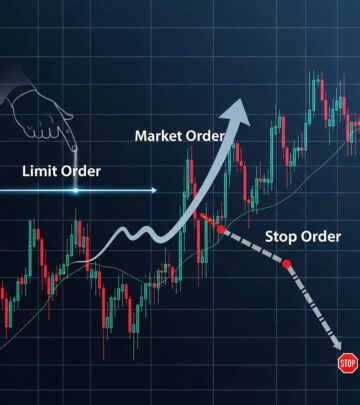
Market orders, which execute immediately at the best available price, are more susceptible to slippage than limit orders. Market orders prioritize speed over price, whereas limit orders specify a maximum acceptable price, providing protection against excessive slippage.
Algorithmic Trading
Algorithmic trading systems can exacerbate slippage through rapid price changes and the phenomenon of phantom liquidity, where displayed market depth may not reflect actual available shares.
Real-World Examples of Slippage
Stock Market Example
A trader intends to sell 20 shares of a company trading at $100 per share, expecting to receive $2,000. However, volatile market activity occurs simultaneously with the order placement, quickly dropping the bid price to $98 before the order executes completely. The resulting negative slippage amounts to $0.02 per share, or $40 total on the 20-share order.
Large Order Example
A trader wants to purchase 20,000 shares of a security with the current ask price at $151.08. However, only 3,900 shares are being offered at this price. To complete the purchase of all 20,000 shares immediately using a market order, the trader must accept prices at higher levels in the order book, resulting in a weighted average execution price higher than the initial ask price and creating slippage.
Positive Slippage Example
An investor bought 100 shares of a company at $10 per share and decides to sell all shares at the current market price of $25 per share, expecting proceeds of $2,500. Before the trade executes, the market value increases to $30 per share, resulting in proceeds of $3,000 and positive slippage of $500.
Delayed Execution Example
A trader places an order to sell shares but faces insufficient demand. Two days pass without execution. If the stock price continues declining during this period, the slippage increases, eventually forcing the trader to accept a significantly lower price than originally anticipated.
Strategies to Minimize Slippage
Use Limit Orders
One of the most effective methods to mitigate negative slippage is utilizing limit orders. A limit order specifies the maximum price at which a trader is willing to buy or the minimum price at which they are willing to sell. If the broker cannot achieve the specified price, the order remains unfilled, protecting the trader from excessive slippage. While limit orders may result in incomplete execution or delayed fills, they provide price protection.
Divide Large Orders
Instead of executing one large order that may exhaust available liquidity at desirable prices, traders can divide their orders into smaller portions. By executing multiple smaller orders over time, traders can access different price levels in the order book and potentially reduce the overall impact of slippage on the entire position.
Trade During High Liquidity Periods
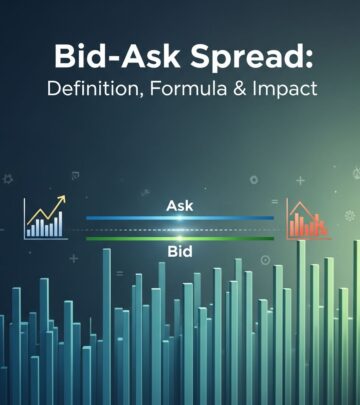
Executing trades during peak trading hours when market liquidity is highest can reduce slippage. Major market sessions, such as the opening and closing hours of major exchanges, typically feature greater trading volume and tighter bid-ask spreads.
Implement Stop Orders with Tolerance Levels
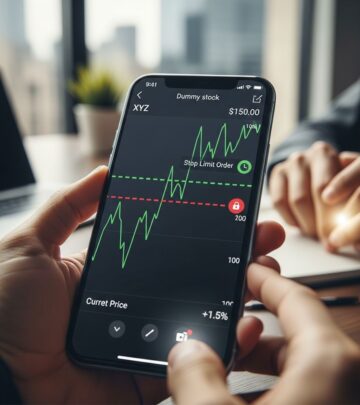
Some brokers allow traders to set tolerance levels for slippage on stop orders. If the price difference between the requested price and the execution price exceeds this tolerance level, the order is rejected, and the trader can resubmit at current market prices, maintaining some control over execution quality.
Monitor Market Conditions
Traders should avoid placing large orders during periods of high volatility or known market-moving events such as economic data releases or central bank announcements. By timing trades for more stable market conditions, traders can reduce the likelihood of experiencing significant slippage.
Use Algorithmic Trading Tools
Sophisticated algorithmic trading systems can optimize order execution by breaking large orders into smaller components and timing execution to minimize price impact and slippage.
Slippage in Different Market Conditions
Slippage varies significantly depending on prevailing market conditions. During normal market conditions with adequate liquidity and low volatility, slippage may be minimal or negligible. However, during market stress events, such as the 2010 Flash Crash, slippage can be extreme, with prices moving hundreds of points in seconds and traders experiencing execution at vastly different prices than anticipated.
Cryptocurrency markets often experience more severe slippage than traditional stock markets due to lower average liquidity and higher volatility. Forex markets can experience significant slippage during major economic announcements or when trading during low-liquidity sessions in the Asian or American markets.
Broker Handling of Slippage
Different brokers and trading venues handle slippage differently. Some brokers execute all orders even if the price does not match the requested price, accepting the risk of slippage as part of their business model. Other brokers establish tolerance levels, executing orders only if the price difference falls within the trader’s specified tolerance band. When price differences exceed this tolerance, the order is rejected, requiring resubmission at new market prices.
Some brokers guarantee execution at better prices if market conditions improve after an order is placed, meaning traders receive the benefit of positive slippage while being protected from excessive negative slippage.
Frequently Asked Questions
Q: Is slippage always negative?
A: No, slippage can be positive, negative, or zero. Positive slippage occurs when market conditions move favorably, resulting in better execution prices than expected. Negative slippage occurs when conditions move unfavorably, resulting in worse prices. Zero slippage means the execution price matches the expected price exactly.
Q: Can slippage be completely avoided?
A: Slippage cannot be completely eliminated, as it is an inherent part of trading in dynamic markets. However, it can be minimized through proper order placement strategies, trading during high-liquidity periods, and using appropriate order types such as limit orders.
Q: What is the relationship between order size and slippage?
A: Larger orders are more susceptible to slippage because they may exceed available liquidity at preferred price levels. Traders attempting to execute large orders often experience greater slippage than those executing small orders, particularly in less liquid markets.
Q: How does slippage affect day traders versus long-term investors?
A: Day traders are more significantly impacted by slippage because they execute numerous trades daily, and slippage costs accumulate rapidly. Long-term investors, who trade infrequently, experience less overall impact from slippage on their portfolios.
Q: What is the difference between slippage and commissions?
A: Slippage is the difference between expected and actual execution prices due to market movements, while commissions are flat fees charged by brokers for executing trades. Both represent costs to traders, but they arise from different sources.
Q: Does slippage occur in limit orders?
A: Slippage rarely occurs in limit orders that execute at the specified price or better. However, if the market never reaches the specified price and the order never fills, traders experience opportunity cost rather than slippage.
Conclusion
Slippage represents a fundamental reality of financial trading that all market participants must understand and manage. The difference between expected and actual execution prices can significantly impact trading profitability, particularly for active traders executing numerous transactions. While slippage cannot be completely eliminated, traders can substantially reduce its impact through disciplined order placement strategies, careful attention to market conditions, and appropriate selection of order types. By using limit orders, dividing large orders into smaller portions, and trading during high-liquidity periods, traders can mitigate the negative effects of slippage while positioning themselves to benefit from positive slippage when market conditions move favorably. Success in trading requires not only accurate market analysis and sound trading strategies but also practical understanding of execution mechanics and the factors that influence the prices at which trades actually occur.
References
- What Is Slippage in Trading? Definition, Types and Tips — Indeed.com Career Advice. 2024. https://www.indeed.com/career-advice/career-development/slippage
- What is Slippage? How to Avoid Slippage in Trading — IG International. 2024. https://www.ig.com/en/trading-strategies/what-is-slippage-and-how-do-you-avoid-it-in-trading–190319
- Slippage – Definition, Why It Happens, How To Minimize — Corporate Finance Institute. 2024. https://corporatefinanceinstitute.com/resources/career-map/sell-side/capital-markets/slippage/
- What is Slippage in Trading — MarketMates. 2024. https://marketmates.com/learn/forex/what-is-slippage-in-trading/
- What is Slippage & How to Avoid It? 2025 Examples — AvaTrade. 2025. https://www.avatrade.com/education/market-terms/what-is-slippage
- Slippage (finance) — Wikipedia. 2024. https://en.wikipedia.org/wiki/Slippage_(finance)
Similar Articles








Read full bio of Sneha Tete