How To Slash Your Electric Bill By $1,500 In 3 Simple Steps
Discover proven strategies to dramatically reduce your electricity costs and keep more money in your pocket year-round.
Electricity bills can sneak up on you, especially with rising energy costs and increasing usage from modern appliances. The good news is you don’t need a complete home overhaul to see massive savings. By focusing on high-impact areas, homeowners can realistically cut their annual electric bill by $1,500 or more. This guide breaks it down into three straightforward steps: conducting an energy assessment, optimizing your heating and cooling systems, and adopting everyday habits that add up over time. These strategies are backed by data from the U.S. Department of Energy and utility providers nationwide.
Step 1: Audit Your Home’s Energy Leaks
The first step to slashing your electric bill is identifying where energy is escaping. Many homes lose 20-30% of their heated or cooled air through drafts, poor insulation, and inefficient appliances. Start with a professional or DIY energy audit to pinpoint issues.
Get a Free Home Energy Assessment
Utility companies like Xcel Energy offer free virtual or in-home energy assessments. These audits use tools like blower doors and infrared cameras to detect leaks. Participants receive customized kits with LED bulbs, power strips, and insulation tips. According to the U.S. Department of Energy, homes with audits see average savings of 5-30% on bills.
Seal Cracks and Leaks
Caulk windows, doors, and outlets; weatherstrip doors; and add foam gaskets under electrical plates. These low-cost fixes ($20-50) can reduce energy loss by 10-20%. Focus on attics, basements, and chimneys where air infiltration is highest.
- Check for gaps around pipes and wires entering the home.
- Use expanding foam for larger cracks in foundations.
- Inspect attic hatches for proper sealing.
Invest in Attic Insulation
Inadequate attic insulation is a top energy waster. Aim for R-38 to R-60 levels depending on your climate zone, as recommended by Energy Star. Adding insulation costs $1,000-2,000 but pays back in 2-3 years through 15% bill reductions.
Step 2: Upgrade to High-Efficiency Systems
Heating, cooling, and water heating account for over 50% of home energy use. Upgrading these systems with rebates makes efficiency affordable.
Install a Smart Thermostat
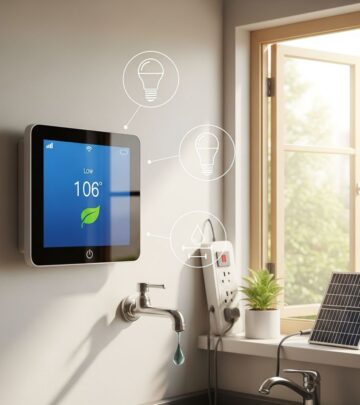
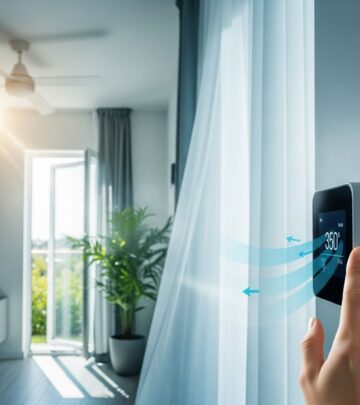
Devices like Nest or Ecobee learn your schedule and adjust temperatures automatically, saving 10-15% on heating and 15% on cooling. Many utilities offer $100+ rebates. Program setbacks: 7-10°F lower when away or asleep.
Clean or Replace HVAC Filters Monthly
Dirty filters force systems to work harder, increasing usage by 15%. A $10 filter swap monthly prevents this and extends equipment life.
Lower Water Heater Temperature
Set to 120°F instead of 140°F to save $36-61 yearly, per the Department of Energy. Insulate the tank and pipes for extra gains.
| Upgrade | Cost | Annual Savings | Payback Period |
|---|---|---|---|
| Smart Thermostat | $100-250 (with rebate) | $150-250 | 1 year |
| LED Bulbs (whole home) | $50-100 | $75-150 | 1 year |
| Attic Insulation | $1,000-2,000 | $300-500 | 2-3 years |
| Duct Sealing | $500-1,500 | $200-400 | 2 years |
Switch to LED Lighting and Energy Star Appliances
LEDs use 75% less energy than incandescents and last 25x longer. Replace high-use bulbs first: kitchen, living room. When buying appliances, choose Energy Star-rated models eligible for federal tax credits up to $1,200 via the Inflation Reduction Act.
Step 3: Change Your Daily Habits
Small behavioral tweaks yield big results without spending a dime.
- Unplug Vampire Devices: Standby power from TVs, chargers, etc., adds $100/year. Use power strips to cut phantom loads.
- Wash in Cold Water: Heats 90% of laundry energy; saves $60/year.
- Air Dry Clothes: Skip the dryer; hang dry to cut drying costs by 80%.
- Use Ceiling Fans: Counterclockwise in winter for downward warm air flow.
- Shorten Showers: 5 minutes vs. 8 saves 1,000 gallons hot water monthly.
- Cook Smart: Match pot size to burner; use lids; batch cook.
- Layer Up: Wear sweaters, use blankets to maintain comfort at 68°F.
Off-Peak Usage
Run appliances (dishwasher, EV charger) during low-rate hours if your utility offers time-of-use pricing. Apps like OhmConnect reward off-peak behavior with bill credits.
Window Treatments and Landscaping
Close curtains at night; open south-facing blinds daytime for solar gain. Plant shade trees to block summer sun, reducing AC by 25%.
19 Proven Ways to Lower Your Electric Bill This Winter
Building on the steps above, here are 19 targeted tips for cold months:
- Get a free energy audit.
- Seal all cracks.
- Upgrade HVAC with rebates.
- Program smart thermostat.
- Clean ducts ($200-300).
- Run heaters off-peak.
- Zone heat only used rooms.
- Lower water heater to 120°F.
- Use draft stoppers ($11).
- Insulate outlets.
- Service furnace annually.
- Replace filters.
- Use humidifier (humid air feels warmer).
- LEDs everywhere.
- Unplug unused devices.
- Ceiling fans on low.
- Layer clothing/bedding.
- Reverse fan direction.
- Short cycles on washer.
Summer-Specific Savings
Flip the script for AC season: set thermostat to 78°F, use fans, grill outdoors, close blinds, maintain AC unit.
Frequently Asked Questions (FAQs)
Q: How much can I realistically save on my electric bill?
A: Most households save 10-30% ($200-1,500/year) by combining audits, upgrades, and habits. Track progress with bill comparisons.
Q: Are smart thermostats worth it?
A: Yes, they pay for themselves in under a year with 10-15% savings and remote control features.
Q: What’s the best temperature for my thermostat?
A: 68°F winter, 78°F summer when home; setback 7-10°F when away.
Q: Do LED bulbs really make a difference?
A: Replacing 20 incandescents saves $150/year and reduces lighting load by 75%.
Q: How do I find rebates in my area?
A: Visit DSIREusa.org or your utility site for local incentives.
Implementing these steps transforms your home into an energy-efficient haven. Start with quick wins like sealing drafts and unplugging devices, then invest in upgrades. Over time, these changes not only slash bills but also increase home value and comfort. Monitor your utility app for real-time usage and adjust accordingly for maximum savings.
References
- 19 Ways to Lower Your Electric Bill This Winter — The Penny Hoarder. 2025. https://www.thepennyhoarder.com/save-money/how-to-lower-electric-bill/
- Residential Energy Audits — U.S. Department of Energy. 2024-01-15. https://www.energy.gov/energysaver/residential-energy-audits
- Energy Star Thermostats — ENERGY STAR (EPA). 2025-06-01. https://www.energystar.gov/products/thermostats
- Water Heating Savings — U.S. Department of Energy. 2023-11-20. https://www.energy.gov/energysaver/water-heating
- Inflation Reduction Act Home Efficiency Rebates — U.S. Department of Energy. 2024-08-10. https://www.energy.gov/save/home-efficiency-rebates
- Database of State Incentives for Renewables & Efficiency — NC Clean Energy Technology Center. 2026-01-01. https://www.dsireusa.org/
Similar Articles








Read full bio of medha deb