Skip the Trade-In: Sell Your Car Privately
Discover why selling your car privately can net you thousands more than trading it in, with step-by-step guidance on maximizing your profit.
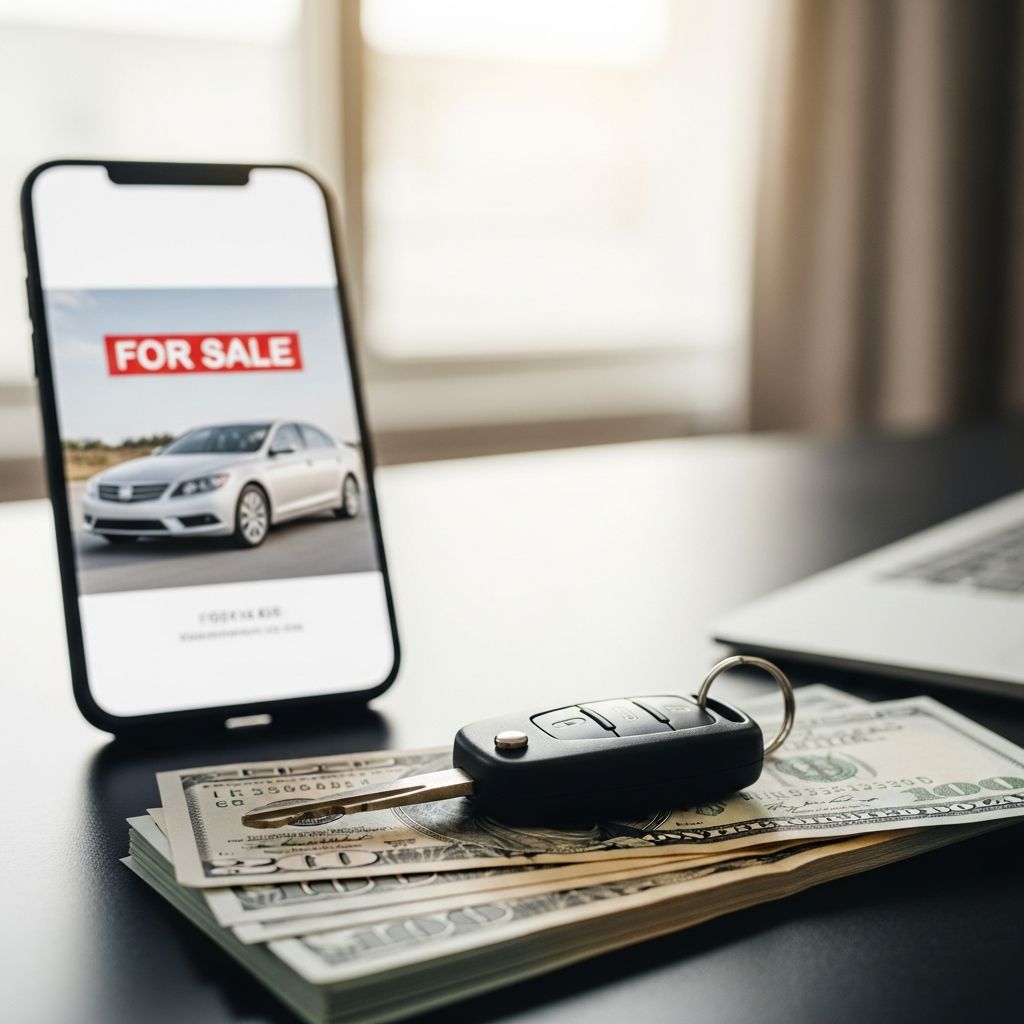
Selling your car privately often yields significantly higher returns than trading it in at a dealership. Dealerships offer low trade-in values to resell at a profit, while private sales allow you to capture the full market value, potentially earning thousands more.
The Financial Advantage of Private Sales
Trade-in offers typically undervalue your vehicle by 20-30% compared to private party values. For example, a car worth $15,000 privately might fetch only $10,000-$12,000 as a trade-in. This gap arises because dealers factor in reconditioning costs, auction risks, and their desired profit margin.
According to data from automotive valuation experts, private sellers average $1,500-$3,000 more per vehicle than trade-in prices for mid-range used cars. This extra cash can fund a down payment on your next vehicle or bolster savings.
- Higher payout: Direct to consumer sales bypass dealer markups.
- Negotiation power: Set your price based on market comparables.
- Tax savings: In many states, private sales reduce sales tax on your next purchase.
Determining Your Car’s True Market Value
Accurate valuation is the foundation of a successful private sale. Start with free online tools like Kelley Blue Book (KBB), Edmunds, or NADA Guides, inputting details such as mileage, condition, location, and options.
| Valuation Source | Private Party Value | Trade-In Value | Difference |
|---|---|---|---|
| KBB Example (2022 Honda Civic, 50k miles, good condition) | $18,500 | $15,200 | $3,300 |
| Edmunds Example (2019 Toyota Camry, 60k miles) | $20,100 | $17,000 | $3,100 |
| NADA Average | Typically 25% higher | Dealer wholesale | $2,000-$4,000 |
Cross-reference multiple sources and adjust for local market conditions. Research comparable vehicles (comps) sold recently in your area via sites like Autotrader or Cars.com. Factor in unique features like low mileage, accident-free history, or recent maintenance.
- Check service records: Well-maintained cars command premiums.
- Inspect for dents, scratches, or wear that could lower value.
- Consider seasonal demand: Convertibles sell better in spring, 4x4s in winter.
Preparing Your Car for Maximum Appeal
A clean, well-maintained car sells faster and for more money. Invest $200-500 in professional detailing to make it shine.
- Deep clean interior: Vacuum, shampoo carpets, condition leather, and eliminate odors.
- Exterior polish: Wash, clay bar, wax, and touch up minor paint chips.
- Mechanical check: Change oil, rotate tires, replace wiper blades, and fix small issues.
- Gather documents: Title, maintenance records, owner’s manual, and recall clearances.
Service history significantly boosts buyer confidence and value, often outweighing age or minor cosmetic flaws. Digital or printed records demonstrate responsible ownership.
Marketing Your Car Effectively
Great photos and detailed listings attract serious buyers. Use high-resolution images from multiple angles, including engine bay, odometer, tires, and interior.
- Platforms: Craigslist, Facebook Marketplace, Autotrader, Cars.com, OfferUp.
- Headline formula: “[Year Make Model] [Mileage] Miles – Excellent Condition – [Price] OBO”.
- Description tips: Highlight positives (e.g., “One owner, garage-kept, new tires”), disclose known issues transparently, list features (e.g., Bluetooth, backup camera).
Price slightly above your target to allow negotiation room, e.g., list at $19,500 if seeking $18,500. Refresh listings weekly and respond promptly to inquiries.
Handling Test Drives and Inspections Safely
Buyer interest leads to test drives. Protect yourself with these precautions:
- Verify driver’s license and take a photo.
- Accompany on test drives; ride along.
- Limit to 15-20 minutes locally.
- Meet in public places like shopping centers.
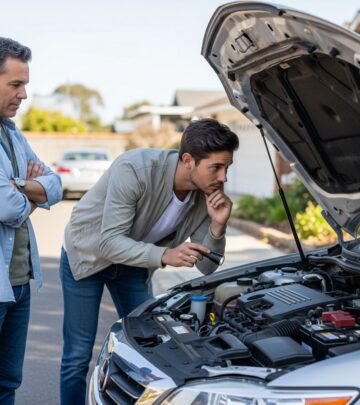
- For inspections, recommend trusted mechanics but attend if possible.
Be prepared for questions on accidents, repairs, or ownership history. Honesty builds trust and avoids legal issues.
Negotiation Strategies for Top Dollar
Buyers will haggle; stay firm on your minimum acceptable price.
- Anchor high: Your listing price sets the baseline.
- Justify value: Reference comps and recent maintenance.
- Counter offers: Meet halfway or bundle incentives like new tires.
- Walk away: If no serious offers after 2-4 weeks, consider price drop or alternatives.
Average private sale time is 30-60 days, longer than trade-ins but worth the payoff.
Closing the Sale: Paperwork and Payment
Once agreed, handle transfer correctly to avoid liability.
- Payment: Cashier’s check or bank wire; avoid personal checks. Verify funds at your bank.
- Bill of sale: Document price, VIN, date, odometer reading, “sold as-is.” Both sign.
- Title transfer: Sign over title; note odometer. Check state DMV for forms (e.g., smog certificate in CA).
- Release lien: If financed, obtain payoff letter and lien release.
- Notify DMV/insurer: Cancel registration and insurance immediately.
Retain copies of all documents for your records.
Common Pitfalls and How to Avoid Them
- Lowballers: Ignore offers 20%+ below market.
- Scams: No overpayment schemes or shipping requests.
- Curbstoning: Dealers posing as private sellers; verify intent.
- Taxes: Understand your state’s private sale tax rules.
Alternatives if Private Sale Isn’t Feasible
If time-constrained, consider Carvana, Vroom, or CarMax for instant offers closer to private value than trade-ins. Auctions like Copart are for quick cash but lower returns.
Frequently Asked Questions (FAQs)
Q: Is selling privately worth the hassle?
A: Yes, the extra $2,000+ often outweighs 4-6 weeks of effort for most sellers.
Q: How do I price competitively?
A: Use KBB private party value, subtract flaws, add premiums for maintenance/extras, check local comps.
Q: What if my car has a lien?
A: Provide payoff amount; buyer pays lender directly, you handle title release.
Q: Do I need a mechanic’s inspection?
A: Not required, but offering a recent PPI builds trust and justifies price.
Q: How to avoid flaky buyers?
A: Screen via phone, require deposits for inspections, prioritize pre-qualified buyers.
Final Thoughts
Selling privately demands effort but delivers superior financial results. With proper preparation, pricing, and safety measures, you can confidently maximize your car’s value and walk away with more money in your pocket.
References
- Consumer Financial Protection Bureau – Auto Financing Basics — CFPB (U.S. Government). 2024-06-15. https://www.consumerfinance.gov/consumer-tools/auto-loans/
- Edmunds True Market Value (TMV) Methodology — Edmunds Inc. 2025-10-01. https://www.edmunds.com/appraisal/
- Kelley Blue Book Pricing Guidelines — Cox Automotive (KBB). 2025-11-20. https://www.kbb.com/car-values/
- National Automobile Dealers Association (NADA) Used Car Guide — J.D. Power (NADA). 2025-09-01. https://www.nadaguides.com/
- FTC Consumer Advice: Selling Your Car — Federal Trade Commission (U.S. Government). 2024-03-12. https://consumer.ftc.gov/articles/selling-your-car
Similar Articles








Read full bio of medha deb