Six Sigma Certification: Levels, Training & Career Benefits
Master Six Sigma certification levels, training costs, and career advancement opportunities in process improvement.
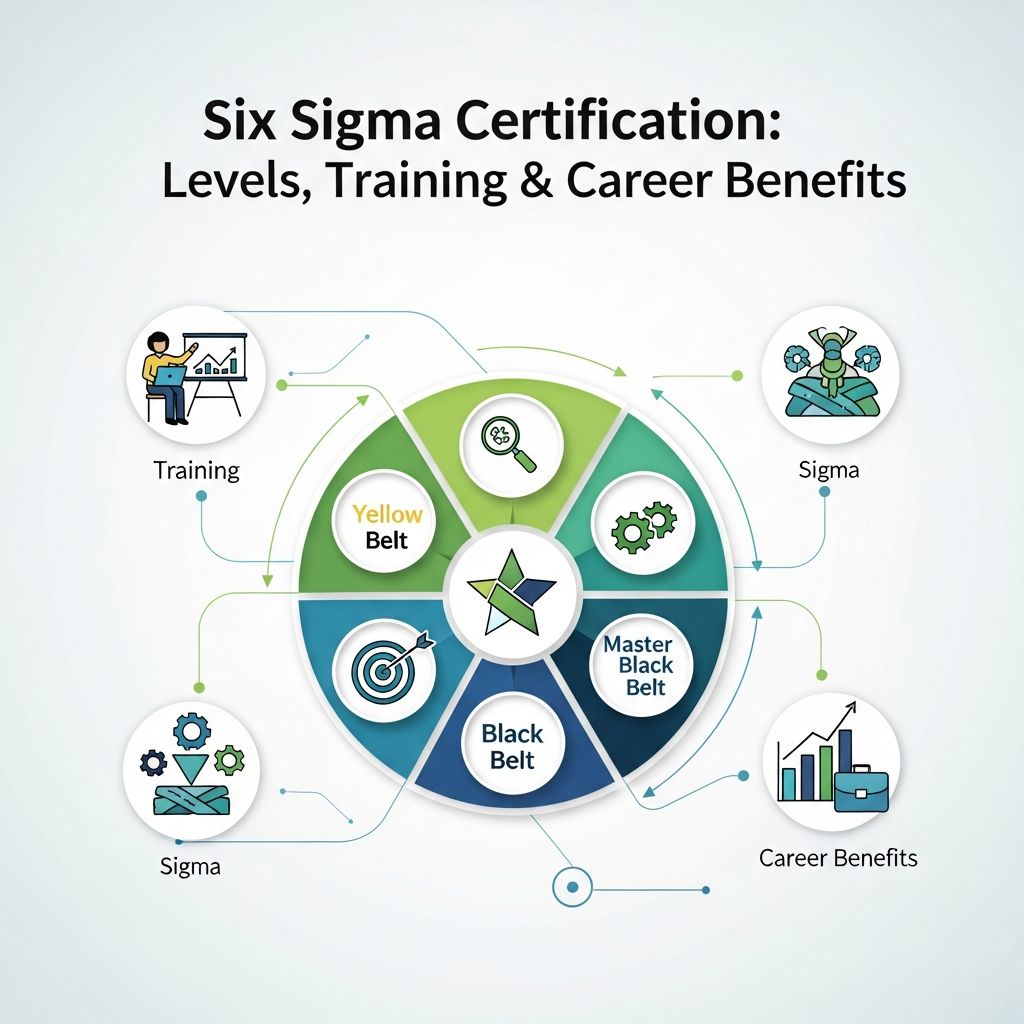
Understanding Six Sigma Certification
Six Sigma certification represents a professional credential that validates an individual’s expertise in process improvement methodologies and statistical analysis. Originating from Motorola in the 1980s, Six Sigma has evolved into a globally recognized management strategy focused on reducing defects, minimizing waste, and enhancing operational efficiency. The certification demonstrates that a professional has mastered the systematic approach to improving manufacturing and business processes by identifying and reducing the causes of defects and variations. Organizations across industries—from manufacturing to healthcare to finance—now recognize Six Sigma certification as a mark of excellence in quality management and operational excellence.
The methodology behind Six Sigma employs data-driven techniques and statistical tools to enhance process quality and consistency. By trademarking Six Sigma in 1993, Motorola established a new standard for process improvement that has since been adopted worldwide. Today, professionals who earn Six Sigma certification become valuable assets to their organizations, capable of leading complex improvement initiatives that drive measurable business results.
The DMAIC Methodology: Foundation of Six Sigma
The DMAIC process forms the backbone of Six Sigma certification training and practice. This five-phase systematic cycle provides professionals with a structured framework for identifying and addressing inefficiencies in business processes. Understanding and applying DMAIC effectively is essential for anyone pursuing Six Sigma certification at any level.
Define Phase
The Define phase marks the beginning of any Six Sigma project. During this initial stage, a project team is formed to establish clear goals and objectives. The team identifies the specific process requiring improvement, outlines the problem statement, and determines customer requirements. By defining project scope, boundaries, and success metrics, professionals ensure that all stakeholders have aligned expectations and clear direction for the improvement initiative.
Measure Phase
In the Measure phase, project teams gather comprehensive data to assess the current performance of the process. This involves creating detailed process maps and flowcharts that visualize each step in the workflow and highlight areas requiring improvement. By quantifying baseline performance metrics, teams establish a foundation for comparison and can later measure the impact of their improvement efforts.
Analyze Phase
The Analyze phase requires teams to examine collected data thoroughly to identify root causes of problems and process variations. Using statistical tools and advanced analysis methods, professionals determine which issues have the most significant impact on process performance. This data-driven approach ensures that improvement efforts target the most consequential problems rather than addressing symptoms.
Improve Phase
During the Improve phase, teams develop and implement solutions based on insights gained from previous phases. They apply Lean tools to reduce waste and enhance process flow, while Six Sigma techniques help decrease variation and improve quality. This phase transforms analytical findings into concrete process improvements and operational changes.
Control Phase
The Control phase focuses on maintaining and monitoring improvements over time. Teams create control plans to ensure process improvements remain in place and establish corrective actions to guarantee sustained success. This ongoing monitoring prevents regression and ensures that gains achieved during the improvement initiative are preserved long-term.
Six Sigma Belt Levels and Certification Structure
Six Sigma certification levels are structured similarly to martial arts belts, with each level signifying increasingly higher degrees of expertise, responsibility, and leadership capability. The belt system provides a clear career progression path for professionals interested in advancing their process improvement skills.
| Belt Level | Expertise Level | Primary Responsibilities |
|---|---|---|
| White Belt | Basic understanding of Lean Six Sigma concepts | Support project teams in part-time capacity |
| Yellow Belt | In-depth understanding of core principles | Participate in problem-solving projects |
| Green Belt | Project management and data analysis skills | Lead smaller-scale projects; assist with larger initiatives |
| Black Belt | Advanced problem-solving and leadership skills | Lead complex projects; mentor Green Belts |
| Master Black Belt | Expert level strategic expertise | Mentor Black Belts; drive organizational initiatives |
White Belt Certification
The White Belt provides foundational knowledge of Lean Six Sigma principles and terminology. White Belts typically support project teams in a part-time capacity, learning fundamental concepts while contributing to ongoing improvement efforts. This entry-level certification serves as an excellent starting point for professionals new to process improvement methodologies.
Yellow Belt Certification
Yellow Belts bring a more in-depth understanding of Lean Six Sigma concepts and actively participate in problem-solving projects. This certification level prepares professionals to work within project teams and understand the broader context of improvement initiatives. Yellow Belts often serve as subject matter experts within their functional areas.
Green Belt Certification
Green Belts are knowledgeable in the complete DMAIC methodology and play a crucial role in process improvement projects. They typically work under the guidance of Black Belts, leading smaller-scale projects or assisting with larger, more complex initiatives. Green Belts focus on data collection and analysis, identifying root causes of issues, and implementing solutions to enhance processes and reduce waste. Their training equips them with skills to utilize various Lean and Six Sigma tools effectively.
Black Belt Certification
Black Belts hold advanced expertise and champion complex challenges within their organizations. They serve as go-to experts for complicated improvement projects, managing project teams and mentoring Green Belts. Black Belts are recognized for their leadership capabilities and ability to drive significant organizational change. Studies show that Black Belt certification often leads to higher compensation, with certified professionals earning approximately 19% more than their non-certified counterparts.
Master Black Belt Certification
Master Black Belts represent the highest level of Six Sigma expertise and serve as mentors within the Six Sigma dojo. These expert-level professionals focus on overarching program development, training other Black Belts, and providing strategic organizational leadership. Master Black Belts typically guide and train entire teams, ensuring the successful implementation of Six Sigma across the organization.
Six Sigma Training and Certification Costs
The investment required for Six Sigma certification varies significantly based on the belt level pursued and the training delivery method selected. Understanding these costs helps professionals make informed decisions about their career development investments.
| Belt Level | Training Cost Range | Typical Duration |
|---|---|---|
| White Belt | Free (self-directed learning) | 1-2 weeks |
| Yellow Belt | $200 – $600 | 1-2 weeks |
| Green Belt | $1,000 – $3,000 | 4-8 weeks |
| Black Belt | $2,500 – $7,000 | 8-12 weeks |
| Master Black Belt | $3,200 – $4,975 | 12-16 weeks |
Training costs depend on multiple factors including the training organization’s reputation, delivery format (online, in-person, or hybrid), course comprehensiveness, and included materials. Some organizations offer more affordable options through online platforms, while premium training providers deliver more intensive, hands-on instruction. Many employers sponsor employee Six Sigma training as part of professional development programs, helping offset these costs for qualified candidates.
Benefits of Six Sigma Certification
Pursuing Six Sigma certification delivers substantial benefits for both individual professionals and organizations. Organizations implementing Lean Six Sigma methodologies achieve impressive operational improvements:
- 35% reduction in Defects per Million Opportunities (DPMO)
- 20% decrease in waste across operations
- 25% reduction in production time and cycle times
- 30% improvement in customer satisfaction metrics
- Enhanced efficiency in resource utilization and talent deployment
- Competitive advantages through superior quality and faster delivery
- Cultural transformation toward continuous improvement mindset
- Cost reduction through elimination of non-value-added activities
For individual professionals, Six Sigma certification opens career advancement opportunities, increases earning potential, and provides globally recognized credentials that enhance professional marketability across industries.
Six Sigma Training and Certification Programs
Professionals seeking Six Sigma certification can access training through multiple channels. Businesses can partner with specialized training organizations offering comprehensive Six Sigma and Lean Six Sigma instruction. Many universities now offer integrated programs combining traditional business education with industry certification, such as MBA programs with embedded Green Belt certification.
Training programs typically guide participants through all DMAIC phases, providing practical knowledge in utilizing statistical tools, process mapping techniques, and quality improvement methodologies. Successful completion of training includes hands-on project work, examination preparation, and often completion of a capstone project demonstrating applied competency.
Lean Six Sigma: The Integrated Approach
Modern process improvement increasingly combines Lean and Six Sigma methodologies into a unified framework called Lean Six Sigma. Lean methodology, developed by Toyota in the 1940s, focuses on identifying and eliminating eight types of waste: defects, overproduction, waiting, non-utilized talent, transportation, inventory, motion, and extra-processing. Six Sigma focuses on reducing variation and defects through statistical analysis.
This integrated approach leverages the strengths of both methodologies to optimize performance, eliminate waste while maintaining high-quality standards, and achieve significant improvements in operational efficiency. Organizations benefit from a team-focused approach that addresses both efficiency and quality simultaneously.
Career Advancement Through Six Sigma Certification
Six Sigma certification creates clear pathways for career progression and professional advancement. The belt system provides a structured framework for skill development and increasing responsibility. Professionals can build specialized expertise in their functional areas while developing transferable skills applicable across industries.
Employers across manufacturing, finance, healthcare, technology, and service industries actively recruit Six Sigma-certified professionals. The certification signals commitment to continuous improvement and demonstrates technical competency in data analysis and process optimization. Career advancement opportunities include quality management roles, operations management positions, business analysis assignments, and executive leadership tracks.
Frequently Asked Questions
Q: What is the primary purpose of Six Sigma certification?
A: Six Sigma certification validates expertise in process improvement methodologies and statistical analysis. It demonstrates competency in identifying defects, reducing variations, eliminating waste, and enhancing operational efficiency through data-driven decision making.
Q: How long does it take to earn Six Sigma certification?
A: Timeline varies by belt level. White Belt training takes 1-2 weeks, Yellow Belt 1-2 weeks, Green Belt 4-8 weeks, Black Belt 8-12 weeks, and Master Black Belt 12-16 weeks. Some programs extend longer depending on intensity and project requirements.
Q: Is Six Sigma certification recognized globally?
A: Yes, Six Sigma certification is recognized worldwide. Organizations across industries and countries accept Six Sigma credentials as valid proof of process improvement expertise and statistical competency.
Q: What are the prerequisites for Green Belt certification?
A: Most programs recommend basic understanding of Six Sigma concepts and business processes. Many organizations require participants to have completed or demonstrate Yellow Belt level knowledge before pursuing Green Belt certification.
Q: Can I pursue Six Sigma certification online?
A: Yes, many training providers and universities offer online Six Sigma certification programs. Online options provide flexibility while maintaining comprehensive training in DMAIC methodology and statistical tools.
Q: What is the ROI for Six Sigma certification?
A: Individual ROI includes higher earning potential, career advancement, and increased job market competitiveness. Organizational ROI comes from process improvements, cost reductions, quality enhancements, and customer satisfaction increases documented through DMAIC projects.
References
- Lean Six Sigma in Manufacturing: Methodology and Best Practices — Whale. 2025. https://usewhale.io/blog/lean-six-sigma-in-manufacturing/
- The Importance of Lean Six Sigma Certification — University of Texas at Tyler. 2025. https://online.uttyler.edu/degrees/business/mba/lean-six-sigma-green-belt/importance/
- Six Sigma: Definition and Methodology — American Society for Quality (ASQ). https://asq.org/quality-resources/six-sigma
- DMAIC Process: A Complete Guide to Six Sigma Methodology — International Society of Six Sigma Professionals. https://www.issp.info/dmaic-process/
- Process Improvement and Operational Excellence — Project Management Institute (PMI). https://www.pmi.org/
Similar Articles








Read full bio of medha deb