Single-Family vs. Multi-Family Homes: Complete Guide
Explore the key differences between single-family and multi-family homes to find your ideal property.
Understanding Single-Family vs. Multi-Family Homes
When it comes to choosing a place to live or making a real estate investment, one of the most fundamental decisions is whether to go with a single-family home or a multi-family property. Both options come with distinct advantages and challenges, and the right choice ultimately depends on your lifestyle, financial situation, and long-term goals. This comprehensive guide will help you understand the differences between these two housing types and determine which option best suits your needs.
What Are Single-Family Homes?
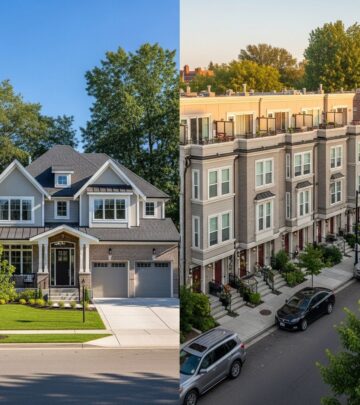
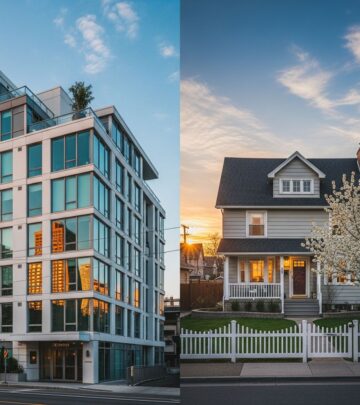
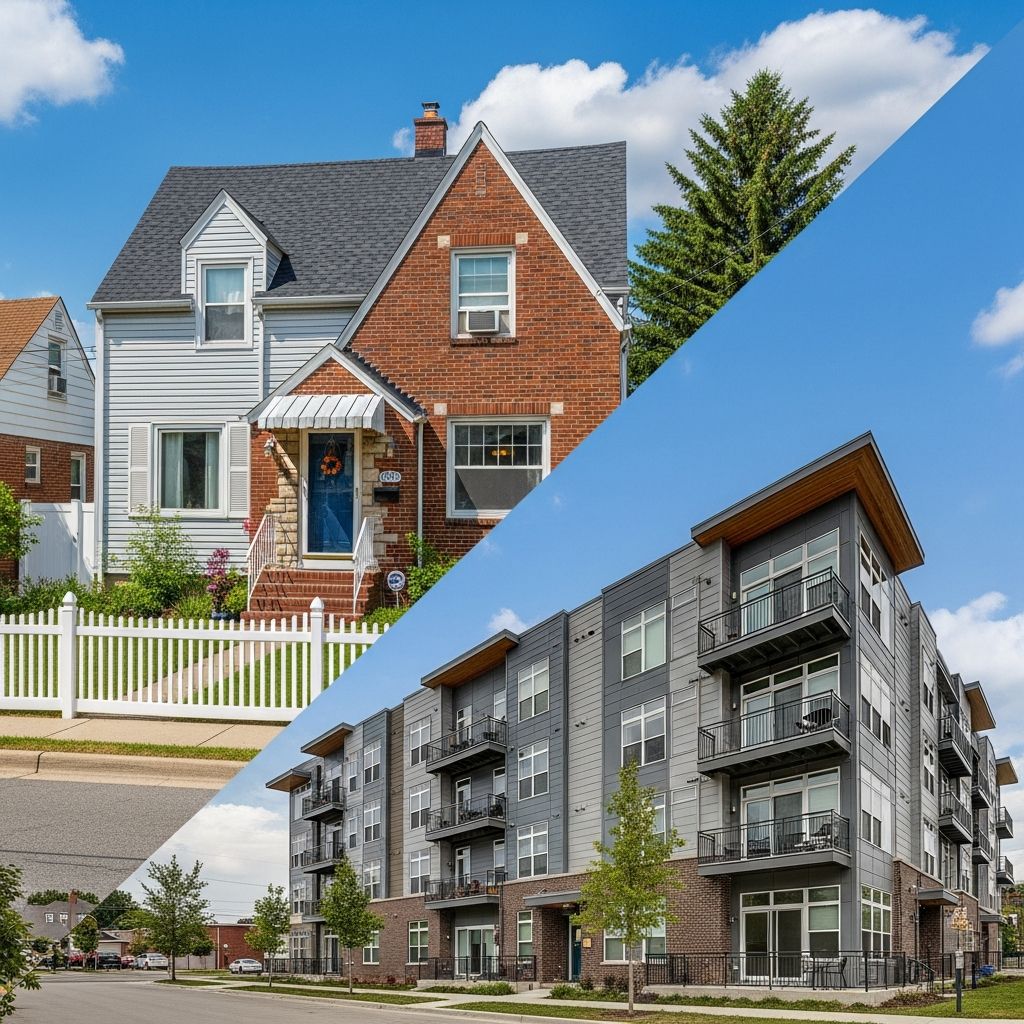
A single-family home is a freestanding residential structure designed to house one household. It sits on its own lot and shares no common walls with neighboring properties. Single-family homes typically include features like a private yard, garage, and complete autonomy over the property. These homes are the traditional American dream for many homebuyers and remain the most common type of residential property in the United States.
Single-family homes can range from modest starter homes to sprawling estates, and they offer residents complete control over their living space and property decisions.
What Are Multi-Family Homes?
Multi-family homes are residential properties that contain multiple separate housing units within a single building or complex. These properties typically house two to four units, such as duplexes, triplexes, or quadplexes. Each unit usually has its own entrance, kitchen, and living space, giving residents privacy while also providing shared amenities like parking areas, laundry facilities, or outdoor spaces. Multi-family properties are often situated in urban or central locations with proximity to schools, shopping centers, and public transportation.
Key Structural Differences
The main distinction between single-family and multi-family homes lies in their structure and occupancy patterns. Single-family homes are freestanding structures with one residential unit on one lot. In contrast, multi-family properties contain multiple units within one building or complex on a single piece of property. Understanding these structural differences is crucial when evaluating your housing options.
Multi-family homes create a sense of community through shared common areas, while single-family homes offer complete separation and independence from neighboring residents.
Advantages of Single-Family Homes
Privacy and Space
Single-family homes provide unparalleled privacy with no shared walls, hallways, or common areas with neighbors. This means you won’t have to worry about noise complaints from neighbors or disturbing others with your activities. Additionally, single-family homes typically offer significantly more indoor and outdoor space compared to multi-family units. Most single-family homes include yards, patios, or decks that provide excellent opportunities for relaxation, entertaining guests, and outdoor activities. For families with children or pet owners, this extra space is invaluable.
Complete Control and Autonomy
As a homeowner, you have complete control over your property. You can renovate, modify, or landscape your home however you like without needing approval from an HOA, landlord, or other residents. This freedom to personalize your space is one of the most appealing aspects of single-family homeownership for many people.
Higher Appreciation Potential
Historically, single-family homes have appreciated in value at higher rates than multi-family units. This makes them an excellent long-term investment for building wealth and equity. The demand for single-family homes has consistently remained strong in most real estate markets.
Simpler Management
For landlords or property managers, single-family homes are generally easier to manage since there’s only one tenant to deal with. This simplicity often translates to lower management costs and fewer complications.
Disadvantages of Single-Family Homes
Higher Costs
The purchase price for a single-family home is typically higher than the cost of a single unit in a multi-family property. Additionally, homeowners bear all maintenance and repair costs personally, with no one else sharing these expenses. These costs can accumulate quickly and include property taxes, insurance, landscaping, and major repairs like roof replacement or HVAC maintenance.
Full Maintenance Responsibility
Unlike multi-family properties where maintenance costs are shared, single-family homeowners must handle all maintenance tasks and pay for all repairs. This can be a significant financial burden, especially for unexpected major repairs.
Less Efficient Utility Usage
Single-family homes typically have higher utility costs since you’re heating, cooling, and maintaining an entire structure on your own, with no efficiency gains from shared infrastructure.
Advantages of Multi-Family Homes
Affordability
Multi-family homes typically have lower rental rates compared to single-family properties. Each unit is smaller, resulting in lower utility costs for residents. This makes multi-family homes an excellent option for budget-conscious renters or first-time homebuyers. The lower entry cost makes real estate investment more accessible for many people.
Convenient Locations
Multi-family properties are often situated in central or urban areas with easy access to public transportation, schools, shopping centers, and entertainment venues. This location convenience means residents can save considerable time and money on commuting and have greater access to services and amenities.
Multiple Income Streams
For property owners, multi-family homes offer the ability to collect rent from multiple units, providing more stable and potentially higher cash flow. The impact of a single vacancy is lessened when you have multiple income sources from different units.
Economies of Scale
Managing maintenance and repairs in multi-family properties is often more cost-effective. A single roof replacement covers multiple units, and one service call from a plumber can address issues across several apartments, reducing per-unit maintenance costs.
Community Atmosphere
Multi-family properties naturally foster a sense of community with shared common areas and close-knit living situations. For people who value social interaction and community engagement, this can be a significant advantage.
Disadvantages of Multi-Family Homes
Limited Privacy
Multi-family homes involve shared walls and common areas, which means less privacy compared to single-family homes. Noise from neighbors can be an issue, and you must be mindful of others’ schedules and preferences.
Less Space
Units in multi-family buildings are typically smaller than single-family homes, offering less interior space and limited or no outdoor space for individual residents.
Shared Decision-Making
In multi-family properties, residents or owners may need to navigate shared responsibilities and collective decision-making regarding common areas and property management, which can sometimes lead to conflicts or compromise.
Financial Comparison: Costs and Investment Returns
| Factor | Single-Family Homes | Multi-Family Homes |
|---|---|---|
| Initial Purchase Price | Higher | Lower per unit |
| Maintenance Costs | Individual responsibility (higher) | Shared costs (lower per unit) |
| Appreciation Rate | Historically faster | Slower but steady |
| Rental Income | Single tenant only | Multiple units, stable cash flow |
| Monthly Costs | Variable (owner dependent) | Often predictable and shared |
| Utility Efficiency | Lower efficiency | Higher efficiency with shared systems |
Investment Considerations
Single-Family Home Investments
Single-family homes are often preferred by first-time real estate investors due to their lower complexity and easier management. However, they require higher upfront capital and the investor assumes all maintenance responsibilities. Single-family homes historically build equity faster through appreciation, making them suitable for long-term wealth building.
Multi-Family Property Investments
Multi-family properties require higher initial investment but offer multiple income streams and potentially better cash flow. The shared maintenance structure makes these properties more efficient to operate. While appreciation may be slower, the consistent rental income from multiple units provides a natural hedge against market volatility.
Choosing the Right Option for Your Lifestyle
Choose Single-Family If You:
Value privacy and personal space above all else. Want complete control over property decisions and renovations. Have a long-term wealth-building investment timeline. Enjoy outdoor activities and maintain a yard or garden. Prefer a quiet, independent living environment. Are willing to handle all maintenance responsibilities or hire contractors.
Choose Multi-Family If You:
Prioritize affordability and lower monthly expenses. Want to live or invest in a convenient, central location. Value community interaction and social connection. Prefer lower maintenance responsibilities and shared costs. Seek consistent rental income from multiple units. Want to build a real estate portfolio with reasonable entry costs.
Frequently Asked Questions
Q: What is considered a multi-family home versus a single-family home?
A: A single-family home is a freestanding structure with one residential unit on one lot. A multi-family home contains two to four separate residential units within a single building or complex. Properties with five or more units are typically classified as commercial real estate.
Q: Do single-family homes appreciate faster than multi-family properties?
A: Historically, yes. Single-family homes have tended to appreciate at higher rates than multi-family units because they offer a lifestyle more people desire. However, multi-family properties may offer better cash flow and yield potential.
Q: Are multi-family homes cheaper to maintain than single-family homes?
A: On a per-unit basis, yes. Multi-family properties benefit from economies of scale, where maintenance costs are spread across multiple units. A single roof replacement or plumbing repair can address issues in multiple units simultaneously.
Q: Which is better for first-time real estate investors?
A: Single-family homes are often recommended for first-time investors due to lower complexity and easier management. However, multi-family properties can offer better returns and income stability for investors willing to manage multiple units.
Q: What are the main privacy differences between single and multi-family homes?
A: Single-family homes offer complete privacy with no shared walls or common areas with neighbors. Multi-family properties involve shared walls and common areas, which means less privacy and potential noise issues from neighbors.
Q: How do location advantages differ between these home types?
A: Multi-family homes are typically located in urban or central areas with convenient access to public transportation, schools, and shopping. Single-family homes are often in suburban or residential neighborhoods with more space but potentially longer commute times.
Q: Can I rent out individual units in a single-family home?
A: Yes, some single-family homes can be divided into rental units (like basement apartments), but this requires specific zoning approval and must comply with local regulations. Multi-family properties are designed specifically for multiple rental units.
Making Your Final Decision
The choice between a single-family and multi-family home ultimately depends on your personal priorities, financial situation, and long-term goals. If privacy, space, and long-term appreciation are your primary concerns, a single-family home may be the better choice. However, if affordability, convenient location, and potential rental income are more important to you, a multi-family property could be the ideal solution.
Consider your current lifestyle, future plans, budget constraints, and investment objectives carefully. Many successful real estate investors own both types of properties, diversifying their portfolio to balance appreciation potential with steady cash flow. Take time to evaluate your options thoroughly before making this significant decision.
References
- Single-Family vs. Multi-Family Homes: 15 Big Pros & Cons — Texas BMG. 2025. https://texasbmg.com/blog/single-family-vs-multi-family/
- Single-family vs multifamily home: A guide to the differences — FS Residential. 2025. https://www.fsresidential.com/corporate/news-and-articles/articles/single-family-vs-multifamily-home/
- Single-Family vs Multifamily: A Guide to Different Property Types — TurboTenant. 2025. https://www.turbotenant.com/property-management/single-family-vs-multifamily-a-guide-to-different-property-types/
- Single-Family vs. Multifamily Homes—Which Builds Equity Faster? — Realtor.com. 2025. https://www.realtor.com/advice/buy/single-family-vs-multifamily-investment-returns/
- Single Family Homes vs. Multi-Family Homes — Pride Group. 2025. https://www.pridegroup.net/blog/single-family-homes-vs-multi-family-homes
Similar Articles








Read full bio of Sneha Tete