Single-Family Home vs Townhouse: Which Is Right for You?
Compare single-family homes and townhouses to find the perfect property for your lifestyle and budget.
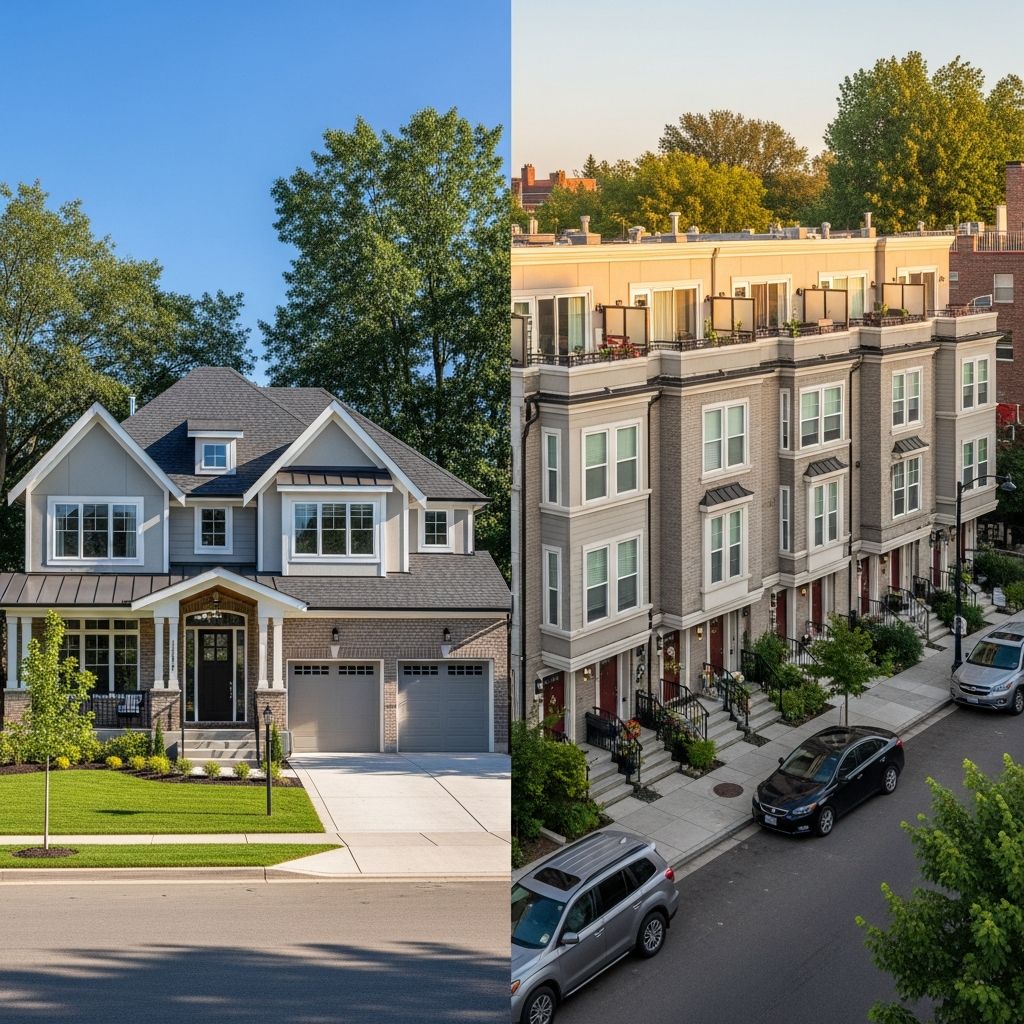
The Great Housing Debate: Single-Family Homes vs. Townhouses
The decision to purchase a home is one of the most significant financial commitments most people will make in their lifetime. However, before selecting a specific property, many prospective buyers must first decide between two primary housing types: single-family homes and townhouses. Each option presents distinct advantages and drawbacks that can substantially impact your financial situation, lifestyle, and long-term satisfaction. Understanding the fundamental differences between these housing types is essential for making an informed decision that aligns with your personal needs and financial goals.
Single-family homes and townhouses represent fundamentally different approaches to residential living, each catering to different priorities and circumstances. Whether you are a first-time homebuyer, a growing family, or an investment-minded individual, this comprehensive comparison will help you navigate the complex decision-making process and determine which housing type best suits your unique situation.
Understanding the Basic Structural Differences
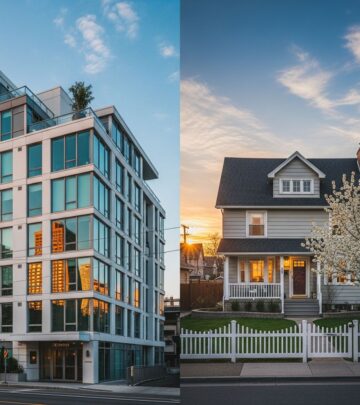
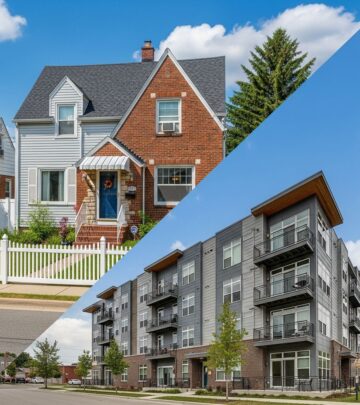
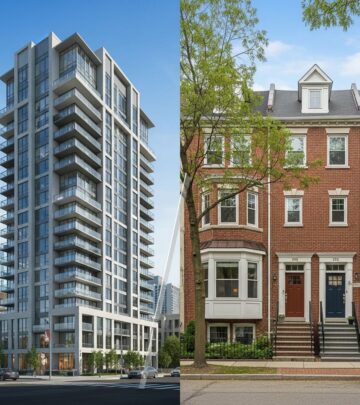
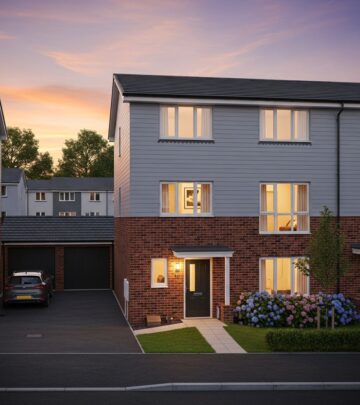
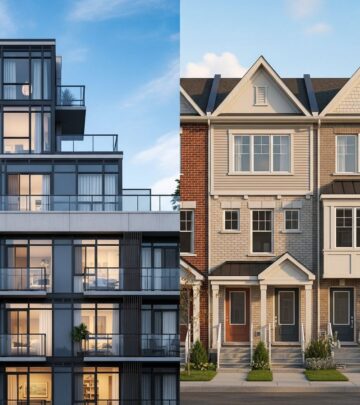
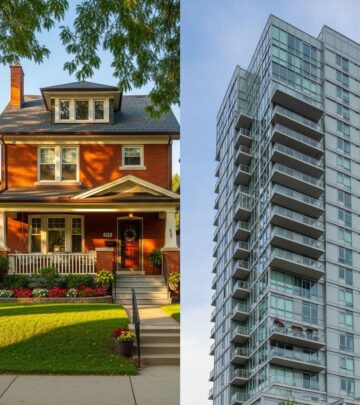
The most apparent distinction between townhouses and single-family homes lies in their physical structure and construction. A townhouse is an attached residential unit built in close proximity to one or more adjacent units, sharing at least one wall with a neighboring townhome. These vertical structures maximize space efficiency by utilizing limited land more effectively, making them particularly common in urban areas and dense metropolitan regions.
In contrast, single-family homes are completely freestanding structures that stand independently on their own plot of land. These detached dwellings do not share any walls or common structural elements with neighboring properties, providing a distinct sense of separation and autonomy. Single-family homes can be situated anywhere, from bustling city neighborhoods to quiet suburban streets to rural regions, offering greater flexibility in location choices.
Cost Considerations and Affordability
Initial Purchase Price
One of the most compelling reasons many buyers choose townhouses over single-family homes is the significant difference in purchase price. Townhouses are typically more affordable than comparable single-family homes because the cost of land and structural construction is shared among multiple units. This cost-sharing model makes townhouse ownership accessible to first-time buyers, individuals with limited savings, or those prioritizing affordability over other considerations.
Single-family homes, while generally more expensive upfront, provide greater value in terms of square footage and land ownership. The higher initial investment reflects not only the larger living space but also exclusive ownership of the entire property and surrounding land.
Ongoing Monthly and Annual Expenses
The financial comparison extends beyond the initial purchase price to encompass ongoing expenses. Townhouse owners typically benefit from lower utility bills due to their smaller square footage and shared walls that provide natural insulation. Additionally, many townhouses feature modern, energy-efficient designs and appliances that further reduce operational costs.
Townhouse owners must, however, contend with homeowners association (HOA) fees, which can accumulate significantly over time. These fees typically cover exterior maintenance, landscaping, insurance, and shared amenities. While these fees standardize maintenance costs and eliminate surprises, they represent a mandatory ongoing expense that single-family homeowners generally do not face.
Single-family homeowners are responsible for all maintenance and repair costs, which can be substantial and unpredictable. Lawn care, roof repairs, exterior painting, and HVAC system maintenance all fall squarely on the homeowner’s shoulders. However, single-family homes typically have lower or nonexistent association fees, providing greater control over monthly housing expenses.
Space, Layout, and Living Configurations
A persistent misconception suggests that townhouses are necessarily smaller than single-family homes. While townhouses are generally more compact in footprint, they can actually provide comparable square footage to single-family dwellings through vertical design that emphasizes multiple stories rather than horizontal sprawl.
The primary layout difference involves how space is distributed. Single-family homes typically spread across a broader footprint with more single-level living options, making them ideal for those who prefer to avoid stairs or want expansive horizontal space. Townhouses concentrate living space vertically, featuring main living areas on one level with bedrooms positioned on upper floors. This vertical configuration makes townhouses particularly suitable for narrow urban lots where land comes at a premium.
Single-family homes generally offer significantly more usable outdoor space, including private yards for gardens, children’s play areas, and entertaining purposes. Townhouse outdoor space is typically limited to small front and backyard areas shared with the HOA or fellow residents. Additionally, single-family homes provide greater interior storage space and offer complete customization freedom, allowing owners to reconfigure floor plans, modify room purposes, or expand rooms according to personal preferences.
Maintenance Responsibilities and Upkeep
Townhouse Maintenance Advantages
One of the most significant townhouse benefits is the substantially reduced maintenance burden on individual owners. The HOA typically handles all exterior maintenance, including landscaping, roof repairs, siding maintenance, and structural upkeep. This arrangement particularly appeals to busy professionals, individuals with limited physical ability to perform yard work, or those who simply prefer not to engage in home maintenance tasks.
For first-time homebuyers or those planning to move within several years, this reduced maintenance responsibility represents tremendous value and peace of mind.
Single-Family Home Maintenance Requirements
Single-family homeowners bear complete responsibility for all aspects of property maintenance and repair, both exterior and interior. This comprehensive responsibility includes lawn care, landscaping, roof maintenance, siding repairs, gutter cleaning, HVAC system servicing, and countless other tasks. While this responsibility demands more time and financial resources, it does provide complete control over maintenance quality and timing.
For individuals who enjoy yard work, appreciate the ability to tackle projects independently, and have the time and resources to maintain a larger property, single-family home ownership offers appealing autonomy and satisfaction.
Privacy, Community, and Lifestyle Factors
Privacy and Personal Space
Single-family homes offer substantially greater privacy due to their detached structure and distance from neighboring properties. Shared walls with adjacent townhomes mean that noise transmission, privacy concerns, and neighbor-related issues may arise more frequently in townhouse living. Single-family homeowners enjoy the freedom to make modifications, host gatherings, and pursue activities without considering immediate neighbors’ comfort or approval.
Community and Social Dynamics
Conversely, townhouses often foster stronger community connections and a greater sense of belonging. The proximity of residents and shared common areas naturally encourage social interaction, neighborhood watch initiatives, and collective activities. For individuals who value community engagement and appreciate a more socially connected living environment, townhouses provide distinct advantages.
Single-family home neighborhoods vary widely in community cohesion, ranging from tight-knit communities to areas where residents maintain minimal social connection. This variation depends significantly on neighborhood characteristics, architectural density, and resident demographics.
Customization, Expansion, and Long-Term Modifications
Single-family home ownership provides exceptional freedom for customization and expansion. Owners can modify exterior colors, construct backyard improvements, install swimming pools, add bedrooms, or pursue virtually any enhancement project without HOA approval. This flexibility appeals to individuals with clear long-term visions for their properties and those who view homes as ongoing personal projects.
Townhouse owners face significant restrictions regarding modifications and expansions. The HOA typically maintains strict design guidelines that preserve neighborhood uniformity and protect property values. Even minor modifications like changing exterior paint colors frequently require HOA approval, limiting personal expression and creative autonomy.
Investment Potential and Resale Considerations
Appreciation and Long-Term Value
Historically, single-family homes have appreciated at higher rates than townhouses, reflecting stronger demand, limited supply, and greater perceived value. Single-family homes typically sell faster and command premium prices in most real estate markets. This appreciation advantage makes single-family homes particularly attractive for buyers planning to remain in their properties for extended periods and viewing real estate as a long-term wealth-building vehicle.
Townhouse Investment Considerations
While single-family homes traditionally appreciate more substantially, townhouse values can also rise considerably, particularly in desirable urban locations with strong rental demand and limited inventory. For buyers prioritizing immediate affordability and equity building without incurring substantial upfront costs, townhouses offer viable investment opportunities. However, buyers requiring access to liquid assets or anticipating relocation within five years should carefully evaluate whether townhouse equity building justifies the purchase commitment.
Location and Urban vs. Suburban Considerations
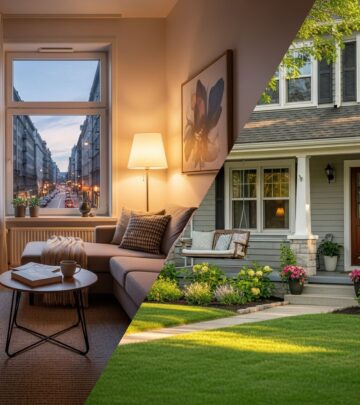
Townhouses are predominantly located in urban and metropolitan areas, positioned near city centers where land scarcity makes efficient vertical construction necessary and economically viable. This location proximity offers convenient access to urban amenities, public transportation, restaurants, entertainment venues, and employment centers. The walkability and accessibility of townhouse neighborhoods appeal to individuals who prefer vibrant urban lifestyles and reduced automobile dependence.
Single-family homes offer greater geographic flexibility, appearing in suburban neighborhoods, exurban areas, and remote rural regions. This flexibility allows buyers to prioritize factors beyond real estate type, including specific neighborhoods, school districts, commuting distances, or lifestyle preferences. The trade-off involves potentially longer commutes to urban employment centers and reduced access to walkable urban amenities.
Modern Features and Energy Efficiency
Because townhouses are often newer constructions than existing single-family homes in established neighborhoods, they frequently feature modern, energy-efficient designs and contemporary amenities. Many new townhouse developments include granite countertops, high-end appliances, extensive storage solutions, and master bedroom suites reflecting current design trends. These modern features appeal to buyers prioritizing contemporary aesthetics and energy efficiency without the higher costs associated with newer single-family home construction.
Special Considerations for Different Buyer Types
First-Time Homebuyers
Townhouses represent particularly attractive options for first-time homebuyers who may lack substantial down payment savings, desire reduced maintenance responsibilities, and prioritize accessibility to urban areas with employment opportunities. The lower purchase price and associated down payment requirements make homeownership achievable for individuals who might otherwise struggle to accumulate sufficient resources for single-family home purchases.
Growing Families
The choice for growing families depends heavily on specific priorities. Families prioritizing outdoor space, privacy, and customization for expanding needs typically prefer single-family homes. Families prioritizing urban location, walkability, lower costs, and reduced maintenance may find townhouses more suitable. Both options can accommodate families effectively depending on personal circumstances and preferences.
Active Lifestyles and Retirees
Individuals maintaining active lifestyles and frequent travel may appreciate townhouses’ reduced maintenance burden and proximity to urban attractions. Similarly, retirees seeking to downsize while remaining in vibrant urban environments often find townhouses ideal for their changing needs and preferences.
Frequently Asked Questions
Q: Are townhouses more affordable than single-family homes?
A: Typically, yes. Townhouses are often significantly more budget-friendly since the land and structure costs are shared among multiple owners. Monthly HOA fees usually cover exterior maintenance, insurance, and amenities. However, these association fees can accumulate substantially over time, while single-family homes usually have lower or no association fees but require higher upfront purchase prices and full maintenance responsibility.
Q: Do townhouses appreciate in value like single-family homes?
A: While single-family homes historically appreciate at higher rates, townhouses can also increase substantially in value, especially in desirable urban neighborhoods with strong demand and limited inventory. The appreciation potential depends heavily on location, market conditions, and overall real estate trends in your specific area.
Q: Can I modify or expand a townhouse?
A: Townhouse modifications typically require HOA approval and are subject to strict design guidelines. Most HOAs restrict external modifications, interior reconfigurations may require approval, and expansion projects are frequently prohibited. Single-family homes offer complete customization freedom without external approval requirements.
Q: Which is better for families with children?
A: This depends on your priorities. Single-family homes offer more outdoor space for play and greater privacy, while townhouses provide urban location access, lower maintenance responsibilities, and strong community environments. Both can work well for families depending on specific lifestyle preferences and values.
Q: What are HOA fees typically used for?
A: HOA fees typically cover exterior maintenance, landscaping, building repairs, insurance, common area amenities (such as pools and gyms), parking areas, and community facilities. These fees standardize expenses but represent mandatory ongoing costs for townhouse owners.
Q: Which requires less maintenance?
A: Townhouses require significantly less maintenance responsibility because HOAs handle exterior upkeep, landscaping, and structural repairs. Single-family homeowners bear complete responsibility for all maintenance tasks, both exterior and interior, though they have full control over timing and quality.
Making Your Decision
The choice between a single-family home and a townhouse ultimately depends on your personal priorities, financial situation, lifestyle preferences, and long-term goals. Consider creating a weighted list of factors most important to your specific circumstances. If affordability, convenience, low maintenance, urban location access, and modern amenities rank highest, townhouses likely offer superior value. If privacy, space, customization freedom, long-term appreciation, and outdoor areas represent your priorities, single-family homes probably align better with your needs.
Take time to carefully evaluate each factor in relation to your unique situation. Visit neighborhoods, speak with current residents of both housing types, examine comparable properties, and honestly assess your future plans. This thorough analysis will guide you toward a housing decision that provides satisfaction and value for years to come.
References
- Townhouse vs Single-Family: What’s Right for Me? — Discovery Homes. 2024. https://www.discoveryhomes.com/blog/townhouse-vs-single-family-whats-right-for-me/
- Town House vs. Single-Family Home: Which Is the Better Investment? — Elite Properties NY. 2024. https://www.elitepropertiesny.com/general/town-house-vs-single-family-home-which-is-the-better-investment/
- What Is a Townhouse vs. a Single-Family Home? — KHOV Homes. 2024. https://www.khov.com/blog/what-is-a-townhouse-vs-a-single-family-home/
- Townhouse vs. Single Family Home: Which is Better for Young Families? — Dream Finders Homes. 2024. https://dreamfindershomes.com/blog/townhouse-vs-single-family-home-which-is-better-for-young-families/
- Townhouse vs. Single Family: What’s Right for Me? — West Line Village. 2024. https://www.westlinevillage.com/townhouse-vs-single-family-whats-right-for-me/
Similar Articles








Read full bio of medha deb