Simple Loan Payment Calculator: 5 Easy Steps To Estimate Costs
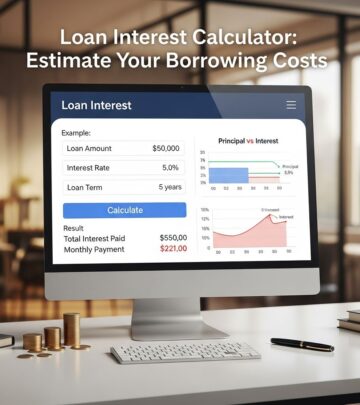
Master loan calculations with our comprehensive guide to understanding monthly payments.
Understanding the Simple Loan Payment Calculator
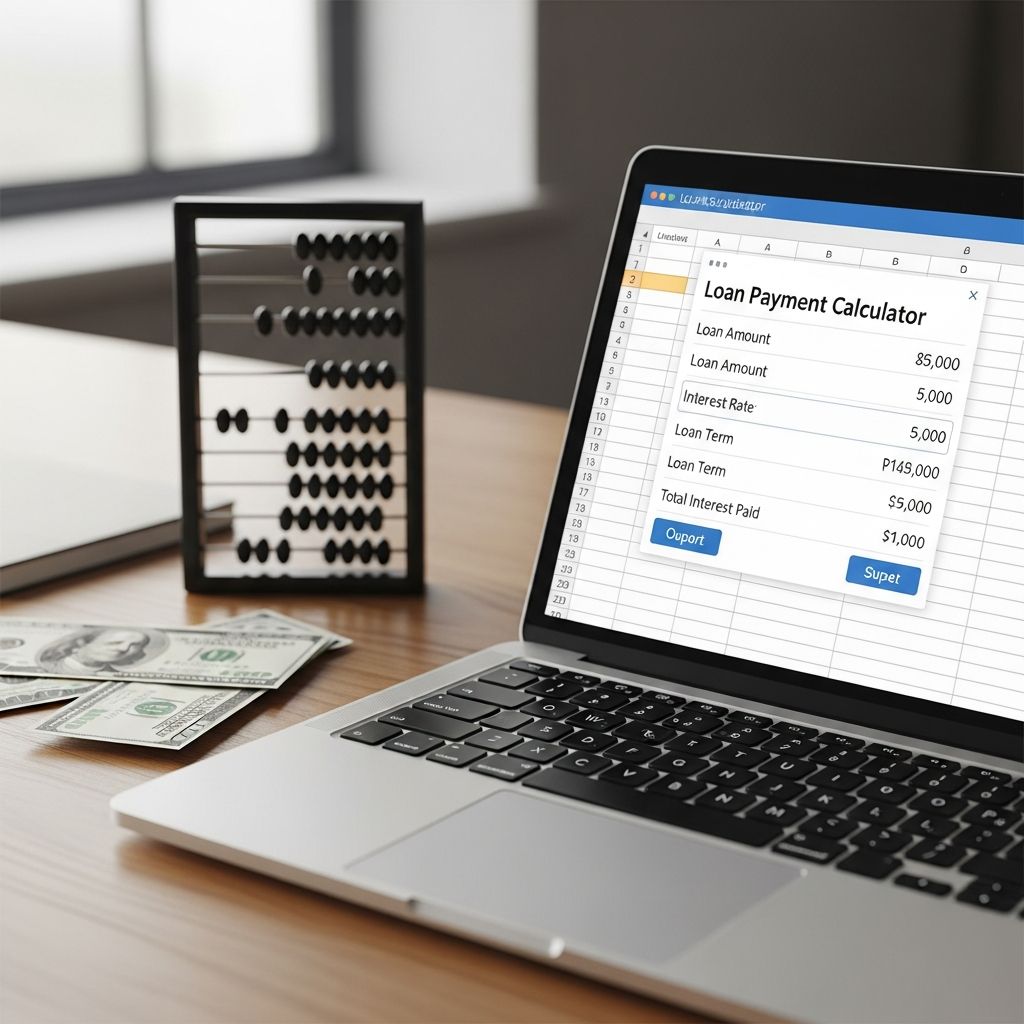
A simple loan payment calculator is an invaluable financial tool designed to help borrowers understand the true cost of borrowing money and estimate what their monthly payments might look like. Whether you’re considering a personal loan, auto loan, or other forms of credit, this calculator removes the guesswork from loan planning and empowers you to make informed financial decisions. By entering just a few key pieces of information, you can quickly determine if a loan fits your budget and how much interest you’ll pay over the life of the loan.
How to Use the Simple Loan Payment Calculator
Using a loan payment calculator is straightforward and requires minimal financial knowledge. The process is designed to be user-friendly, allowing anyone to calculate their potential monthly payments in just a few steps.
Step 1: Enter the Principal Amount
The first piece of information you’ll need to provide is the principal, which is the total amount of money you want to borrow. This is the base loan amount before any interest is applied. Enter the exact dollar amount you’re considering borrowing. For example, if you need $10,000 for a vehicle or home improvement project, you would enter $10,000 as your principal.
Step 2: Enter Your Interest Rate
The interest rate is the amount lenders charge for lending you money, expressed as a percentage. This rate is primarily determined by your credit score, income, employment history, and the current lending environment. Interest rates can vary significantly between lenders and loan types. If you’re unsure what rate to expect, you can check current average rates or consult with lenders to get pre-qualified rates. Most personal loan rates currently range from approximately 6.70 percent to 35.99 percent, depending on your creditworthiness and the lender.
Step 3: Specify Your Loan Term
The number of years, or loan term, determines how long you have to repay your loan. Shorter terms mean higher monthly payments but less total interest paid over time, while longer terms reduce monthly payments but increase the total interest cost. Standard loan terms typically range from two to seven years, though some lenders offer terms as short as one year or as long as ten years. The lender will ultimately determine which terms they’re willing to offer based on your financial profile and credit history.
Step 4: Click Calculate
Once you’ve entered all three pieces of information, simply click the “Calculate” button. The calculator will instantly process your information and display your estimated monthly payment on the right side of the calculator interface. This gives you an immediate snapshot of what you can expect to pay each month.
Step 5: Explore Additional Resources
After reviewing your calculation results, you can click “Compare loan rates” to access Bankrate’s Best Personal Loan Rates page. This feature allows you to view rates and terms from various lenders, helping you compare options and find the most competitive offers available to you.
Making the Most of Your Calculator Results
A simple loan payment calculator is far more than just a tool to find your monthly payment—it’s a comprehensive financial planning instrument. Understanding what you can learn from the calculator will help you make smarter borrowing decisions.
Estimate How Much You Can Afford to Borrow
One of the most valuable uses of a loan calculator is determining how much you can realistically afford to borrow. By experimenting with different loan amounts, you can see how each increase affects your monthly payment. This helps you find the sweet spot between getting the funds you need and maintaining a payment you can comfortably afford within your monthly budget. Financial advisors typically recommend keeping total loan payments to no more than 10-15 percent of your gross monthly income.
Budget for Monthly Payments
If you’re contemplating taking out a loan, the calculator enables you to estimate your monthly payments before you formally apply. This advanced knowledge allows you to budget for your new loan ahead of time, ensuring you won’t be surprised by the monthly obligation. You can adjust your work schedule, cut other expenses, or plan for increased income if needed to accommodate the payment. This proactive approach helps prevent financial strain and ensures loan payments fit naturally into your financial life.
Calculate Potential Savings from Lower Interest Rates
Even small differences in interest rates can result in substantial savings over the life of your loan. By entering your current loan’s principal and term with a lower interest rate, you can see exactly how much money you could save through refinancing or consolidating debt. To illustrate this principle, consider a $10,000 loan with a five-year term:
| Interest Rate | Monthly Payment | Total Interest |
|---|---|---|
| 6.87% | $197.40 | $1,843.95 |
| 8.99% | $207.54 | $2,452.10 |
| 9.95% | $212.22 | $2,733.47 |
As this table demonstrates, the difference between a 6.87 percent rate and a 9.95 percent rate amounts to nearly $900 in additional interest over five years. This emphasizes the importance of shopping around for the best possible interest rate before committing to a loan.
Determine Monthly Payment Reductions
By experimenting with different loan terms in the calculator, you can see exactly how extending or shortening your repayment period affects your monthly payment. For instance, extending a three-year loan to a five-year loan reduces monthly payments but increases total interest. Conversely, shortening the term increases monthly payments but significantly reduces total interest paid. The calculator helps you visualize these trade-offs so you can make the best decision for your circumstances.
Evaluate Faster Payoff Scenarios
The calculator also helps you understand the financial impact of paying off your loan faster. If you receive a bonus, tax refund, or inheritance, you can see how additional payments toward your principal would reduce your loan payoff timeline and total interest paid. This can be highly motivating and helps you identify realistic scenarios where accelerated payoff might be possible.
Practical Applications for Loan Calculation
Personal Loan Planning
Whether you need funds for debt consolidation, home improvements, medical expenses, or any other purpose, the calculator helps you understand the true cost of borrowing. You can compare multiple scenarios to find the loan amount, term, and rate that best aligns with your financial goals and current situation.
Auto Loan Assessment
When shopping for a vehicle, the calculator helps you determine what price range you can actually afford based on realistic monthly payments. You can also compare financing offers from different dealerships or banks to identify the most favorable terms.
Refinancing Evaluation
If you already have a loan and are considering refinancing, the calculator shows you exactly how much you could save with a lower interest rate or different term. This information helps you decide whether refinancing makes financial sense given any fees involved in the process.
Understanding Interest Rate Impact
Interest rates have a dramatic effect on the total cost of your loan. When comparing loans or lenders, always look at both the monthly payment and the total interest paid over the life of the loan. A rate that seems only slightly higher can actually cost you hundreds or even thousands of dollars more when compounded over several years. Using the calculator to compare rates side-by-side makes this difference immediately apparent and helps you prioritize getting the lowest possible rate.
The Formula Behind the Calculation
While the calculator does the math for you, understanding the formula can give you greater insight into how loan payments are calculated. The standard amortization formula is: M = P × r × (1+r)ⁿ / [(1+r)ⁿ − 1], where M represents your monthly payment, P is the principal amount, r is your monthly interest rate (annual rate divided by 12), and n is the total number of months. This formula accounts for the fact that interest is calculated on the remaining balance each month, so early payments are weighted more heavily toward interest while later payments go primarily toward principal.
Key Components of Loan Calculations
Principal Amount
This is the total amount you borrow when taking out a loan. It’s also the amount you pay down each month to reduce the loan balance. The principal is distinct from interest—it represents the actual funds you receive from the lender.
Interest Rate
An interest rate is the percentage that lenders charge for lending money. Your interest rate is primarily determined by factors including your credit score, income stability, debt-to-income ratio, and the current economic environment. Even small variations in your credit score can result in significantly different interest rate offers.
Loan Term
The loan term is the length of time you have to repay your loan, typically measured in years. The term directly affects both your monthly payment amount and the total interest you’ll pay. Longer terms reduce monthly payments but increase total interest, while shorter terms do the opposite.
Making Informed Borrowing Decisions
Using a loan payment calculator empowers you to approach borrowing with confidence and clarity. Rather than accepting the first loan offer that comes your way, you can use the calculator to evaluate multiple scenarios and make comparisons across different lenders. This proactive approach often results in more favorable loan terms and significant savings over the life of your loan. Remember that the calculator provides estimates—actual payments may vary slightly based on additional fees, insurance requirements, or other factors specific to your situation.
Frequently Asked Questions
Q: What information do I need to use a loan payment calculator?
A: You need three key pieces of information: the principal amount (how much you want to borrow), your interest rate (either quoted by a lender or an average rate), and your desired loan term (typically 2-7 years for personal loans).
Q: Why is my actual monthly payment different from what the calculator shows?
A: The calculator provides estimates based on the information you enter. Actual payments may differ due to additional fees, loan insurance, taxes, or variations in how the lender calculates interest. Always review your loan documents for exact payment amounts.
Q: Can I use this calculator for different types of loans?
A: The simple loan payment calculator works for most installment loans, including personal loans, auto loans, and fixed-rate loans. For mortgages or other specialized loans, specialized calculators may provide more accurate results.
Q: How can I find the best interest rate for my loan?
A: Start by improving your credit score, as this is the primary factor lenders use to determine your rate. Then shop around among multiple lenders, including banks, credit unions, and online lenders. Bankrate’s rate comparison tools can help you see what different lenders are offering.
Q: Should I choose a shorter or longer loan term?
A: A shorter term means higher monthly payments but significantly less total interest paid. A longer term reduces your monthly payment but increases total interest. Choose based on your current financial situation and whether you prioritize lower payments or paying off debt faster.
References
- Simple Loan Payment Calculator — Bankrate. 2025-10-02. https://www.bankrate.com/loans/simple-loan-payment-calculator/
- How To Calculate Loan Payments And Costs — Bankrate. https://www.bankrate.com/loans/personal-loans/how-to-calculate-loan-payments/
- How To Calculate Loan Interest: Simple And Amortized — Bankrate. https://www.bankrate.com/loans/personal-loans/how-to-calculate-loan-interest/
- Personal Loan Calculator — Bankrate. https://www.bankrate.com/loans/personal-loans/personal-loan-calculator/
- Loan Calculator — Bankrate. https://www.bankrate.com/loans/loan-calculator/
- Loan Calculators — Bankrate. https://www.bankrate.com/loans/calculators/
Similar Articles








Read full bio of Sneha Tete