Silver Certificate Dollar Bills: What Are They Worth Today?
Discover the true value of silver certificate dollar bills and how to evaluate your collection.
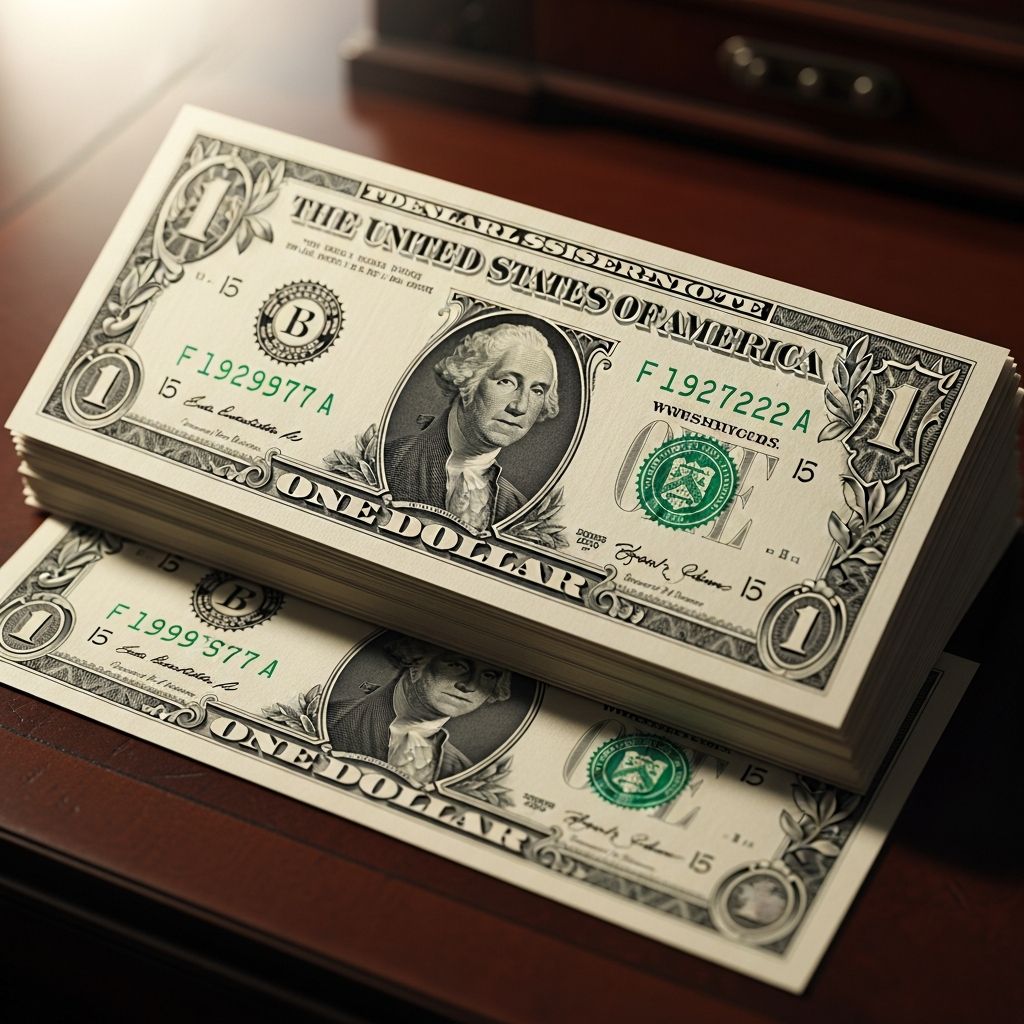
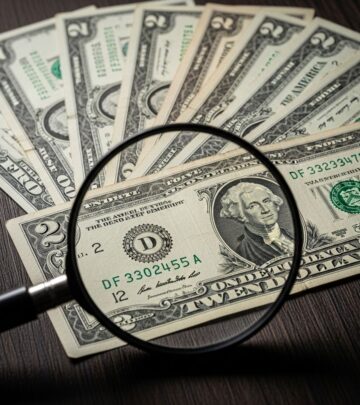
Silver certificate dollar bills represent a fascinating chapter in American monetary history. These special certificates, first issued by the U.S. government in the 1870s, were once backed by tangible silver held in the Treasury. Unlike the paper currency in circulation today, silver certificates came with a unique promise: they could be exchanged for actual silver coins or bullion at face value. This backing made them fundamentally different from modern U.S. dollars, which are fiat currency with no precious metal backing. Today, these certificates are no longer redeemable for silver, but their historical significance and scarcity have made them valuable collectibles in the numismatic market.
Understanding What Silver Certificates Are
Silver certificates were designed as a form of currency that provided confidence in the value of money during America’s earlier financial era. Each certificate bore an official declaration stating: “This certifies that there is on deposit in the Treasury of the United States dollars in silver payable to the bearer on demand.” This certification created a direct link between the paper in your hand and actual silver reserves. The certificates served as a medium of exchange while also functioning as a claim on physical silver assets.
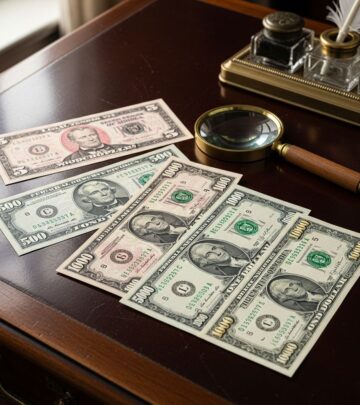
The federal government issued silver certificates in various denominations, ranging from one dollar to one thousand dollars for large certificates. The most commonly encountered certificates today are the small-size notes in denominations of one, five, and ten dollars. These certificates remained in circulation for decades and reflected the evolving artistic and security standards of their respective eras.
Key Historical Timeline
Understanding the history of silver certificates helps explain their current value and collectibility. The journey of these certificates spans over a century of American economic development. Here are the major periods:
- 1870s-1880s: Initial issuance of large-denomination silver certificates
- 1896: Release of the distinctive Educational Series
- 1923: Issuance of large certificates featuring notable historical figures
- 1935: Introduction of smaller, more practical silver certificates
- 1957: Final series of silver certificates issued
- June 24, 1968: Congressional act ended silver certificate redemption
The cessation of silver redemption in 1968 marked a pivotal moment in the history of these certificates. From that date forward, it became impossible to exchange a silver certificate for its equivalent weight in silver bullion, regardless of the certificate’s face value.
How to Identify Silver Certificates
Distinguishing silver certificates from ordinary Federal Reserve notes requires attention to specific details. Collectors and sellers use several key identifying features to authenticate and categorize these valuable documents.
Treasury Seal and Serial Numbers: The most distinctive feature of silver certificates is the blue Treasury Seal, which contrasts sharply with the green seals found on modern currency. The serial numbers on silver certificates also typically appear in blue ink, another telltale identifier. Older issues may feature red seals and serial numbers, particularly the rarer editions from the 1870s and 1890s.
Certificate Text: Examine the bill for specific language indicating it is a silver certificate. Look for the phrase “Silver Certificate” printed prominently on the face of the bill, usually near the bottom or sides.
Historical Portraits and Design: Different series feature various portraits of American historical figures and commemorative imagery. The 1896 Educational Series, for example, displays distinctive allegorical designs that differ significantly from standard currency of other periods.
Series and Date Information: Each certificate displays its series year and may include multiple signature combinations from Treasury officials. These details are crucial for determining the certificate’s specific variety and rarity within its series.
Factors That Determine Silver Certificate Value
The worth of a silver certificate depends on multiple interconnected factors rather than simply its age or face value. Understanding these variables is essential for accurately assessing your collection.
Condition
The physical condition of a silver certificate is perhaps the most significant factor affecting its value. Bills preserved in mint condition command premium prices, sometimes ten times or more than heavily circulated examples. Collectors use standardized grading scales ranging from poor to gem uncirculated. Certificates free from folds, tears, stains, and discoloration are worth substantially more than those showing signs of extended use.
Rarity
Not all silver certificates are equally scarce. Certain series and years were produced in much smaller quantities than others, making them significantly rarer and therefore more valuable. The 1878 and 1923 large certificates, for instance, are relatively scarce compared to the mass-produced 1935 and 1957 series. Certificates with unusual serial numbers, printing errors, or star notes command premium prices among collectors.
Historical Significance
Certificates from particularly notable periods in American history or featuring important historical figures attract increased collector interest and command higher prices. The 1896 Educational Series represents a prime example, showcasing elaborate designs that appeal to history enthusiasts and art collectors alike.
Denomination
The face value listed on the certificate influences its rarity and market value. While one, five, and ten-dollar certificates were issued in large quantities, higher denominations such as fifty, one hundred, five hundred, and one thousand-dollar certificates were produced in much smaller numbers, making them considerably more valuable today.
Serial Number Characteristics
Certain serial number patterns make certificates more desirable to collectors. Low serial numbers, repeating digits, palindromes, and other unusual patterns can significantly increase a certificate’s value. Serial numbers beginning with “1” or consecutive sequences like “123456” are particularly sought after.
Common Silver Certificate Series and Their Values
Different silver certificate series command vastly different prices in today’s market. Here’s an overview of the most commonly encountered varieties:
1935 and 1957 Series
These represent the most abundant silver certificates in circulation and among private collectors today. The 1935 and 1957 series closely resemble standard one-dollar bills in appearance and were produced in enormous quantities. Consequently, these common certificates typically sell for just slightly above face value, usually between one and five dollars depending on their condition. Even well-preserved examples rarely exceed five dollars in value, as the supply far exceeds collector demand.
1923 Large Certificates
The 1923 large certificates represent a different category altogether. These were issued in denominations ranging up to one thousand dollars and feature striking portraits of historical figures. Due to their larger size and lower production numbers compared to small certificates, 1923 editions command substantially higher prices. Depending on denomination and condition, these can sell for anywhere from several hundred to several thousand dollars.
1878 and Earlier Issues
The oldest silver certificates, particularly the 1878 series and earlier issues, are considerably rarer and more valuable. A well-preserved 1878 certificate could easily command several hundred dollars, while exceptional specimens with low serial numbers or unusual characteristics might fetch thousands. These early issues represent the true collectibles among silver certificates.
1896 Educational Series
The 1896 Educational Series stands out as one of the most desirable and valuable silver certificate issues. These distinctive certificates feature elaborate allegorical artwork and historical imagery. Their combination of age, rarity, and artistic significance makes them particularly prized by collectors. Depending on condition and denomination, 1896 certificates can easily fetch hundreds or even thousands of dollars, with exceptional examples commanding premium prices.
Value Comparison Table
| Series/Year | Typical Denominations | Common Condition Value | Gem Condition Value | Rarity Level |
|---|---|---|---|---|
| 1957 Series | $1, $5, $10 | $1.25 – $3.00 | $5 – $15 | Very Common |
| 1935 Series | $1, $5, $10 | $1.50 – $5.00 | $10 – $25 | Common |
| 1923 Large | $1 – $1,000 | $500 – $5,000+ | $2,750 – $21,500 | Scarce |
| 1896 Educational | $1 – $1,000 | $275 – $1,000 | $1,000 – $120,000+ | Very Scarce |
| 1878 Large | $1 – $1,000 | $300 – $2,000 | $1,250 – $38,500 | Rare |
Why Silver Certificates Are No Longer Redeemable
Until June 24, 1968, silver certificate holders could present their certificates to the U.S. Treasury and receive silver bullion or coins equal to the face value. This redemption feature was central to the certificates’ original purpose and appeal. However, as the price of silver increased and Treasury reserves declined, continuing this practice became economically impractical. Congress passed legislation ending silver redemption, effectively converting silver certificates into historical artifacts rather than claims on tangible assets.
Today, silver certificates can only be redeemed for standard Federal Reserve notes at face value. This conversion eliminates the primary reason for holding them as an investment or store of value, leaving only their collectibility and historical significance as reasons for ownership.
Investing in Silver Certificates Today
Despite no longer being redeemable for silver, silver certificates continue to appreciate in value for collectors and investors. The numismatic market values these certificates based on their rarity, condition, historical importance, and demand among enthusiasts. Many investors view rare silver certificates similarly to rare coins or vintage stamps—as alternative investments with potential for long-term appreciation.
The most common certificates, particularly the 1935 and 1957 series in average condition, represent minimal investment potential beyond their face value. However, rare series such as the 1896 Educational or 1878 large certificates have demonstrated consistent appreciation over decades. A certificate worth $100 in 1975 might easily command $500 or more today, representing significant returns for patient collectors.
For those considering silver certificates as an investment, several strategies exist. Building a complete set of all series and denominations can be valuable, though expensive. Focusing on specific rare years or unusual serial numbers represents another approach. Pursuing exceptional examples of common series represents a third strategy, as condition premiums can be substantial.
How to Assess Your Collection
If you have discovered silver certificates among inherited currency or in collections, determining their value requires careful evaluation. Begin by examining the series year, denomination, and Treasury seal color. Next, assess the physical condition using standard numismatic grading criteria. Compare your findings against current market listings and recent sales data from reputable dealers and auction houses.
Consider consulting with professional numismatists or certified appraisers if you possess rare series or high-denomination certificates. Their expertise can help authenticate your certificates and provide accurate valuations for insurance or sale purposes. Online databases and price guides offer useful reference information, though in-person evaluation by qualified professionals often yields the most accurate assessments.
Where to Buy and Sell Silver Certificates
The market for silver certificates exists both online and through physical dealers. Reputable coin and currency dealers maintain inventories of certificates at various price points. Auction houses specializing in numismatics regularly feature rare certificates, often achieving premium prices for exceptional examples. Online marketplaces and specialized numismatic websites facilitate transactions between collectors worldwide.
When buying, verify the seller’s reputation and credentials. Request detailed photographs showing both sides of the certificate and close-ups of any distinctive features. When selling, obtain independent appraisals before negotiating with dealers or auctioneers. Building relationships with established dealers can provide access to better pricing and exclusive offerings over time.
Frequently Asked Questions
Q: Are all silver certificates from the same year worth the same amount?
A: No. Even within the same year and denomination, value varies significantly based on condition, serial number characteristics, and rarity of specific varieties. Two 1957 one-dollar certificates might be worth $2 and $20 respectively depending on these factors.
Q: Can I still exchange a silver certificate for silver?
A: No. Since 1968, silver certificates can only be exchanged for standard Federal Reserve notes at face value. You cannot receive silver bullion or coins for them.
Q: What makes a silver certificate valuable as a collector’s item?
A: Rarity, age, condition, historical significance, and unusual characteristics like low serial numbers or printing errors all contribute to collector value.
Q: How should I store my silver certificates to preserve their value?
A: Store certificates in acid-free holders in a climate-controlled environment away from direct sunlight. Avoid handling with bare hands or exposing them to moisture or extreme temperature fluctuations.
Q: Are silver certificates good long-term investments?
A: Rare and scarce silver certificates have historically appreciated in value. However, common series like 1935 and 1957 issues appreciate minimally. The investment potential depends largely on the specific certificates you acquire.
Q: How do I determine the grade or condition of my silver certificate?
A: Use professional numismatic grading standards ranging from poor to gem uncirculated. Consider hiring a professional grader for valuable certificates, as accurate grading directly impacts market value.
References
- Silver Certificates Small Note Values & Prices By Issue — Greysheet. 2025. https://www.greysheet.com/prices/sp/united-states-silver-certificate-bank-notes-small-size/9213
- Silver Certificate Dollar Bills: What They’re Worth — U.S. Gold Bureau. 2023. https://www.usgoldbureau.com/news/post/silver-certificate-dollar-bills-what-theyre-worth
- How Much Are Silver Certificates Worth Today? — Westminster Mint. 2024. https://westminstermint.com/blogs/guides/how-much-are-silver-certificates-worth-today
- $1 U.S. Currency Price Guide Dollar Bill Value Lookup — U.S. Currency Auctions. 2025. https://www.uscurrencyauctions.com/1-us-currency-value-price-guide.html
Similar Articles








Read full bio of Sneha Tete