10 Signs You’ve Gone From Frugal To Cheap: 3 Ways To Fix It
Discover the fine line between smart frugality and excessive cheapness that could harm your life and relationships.
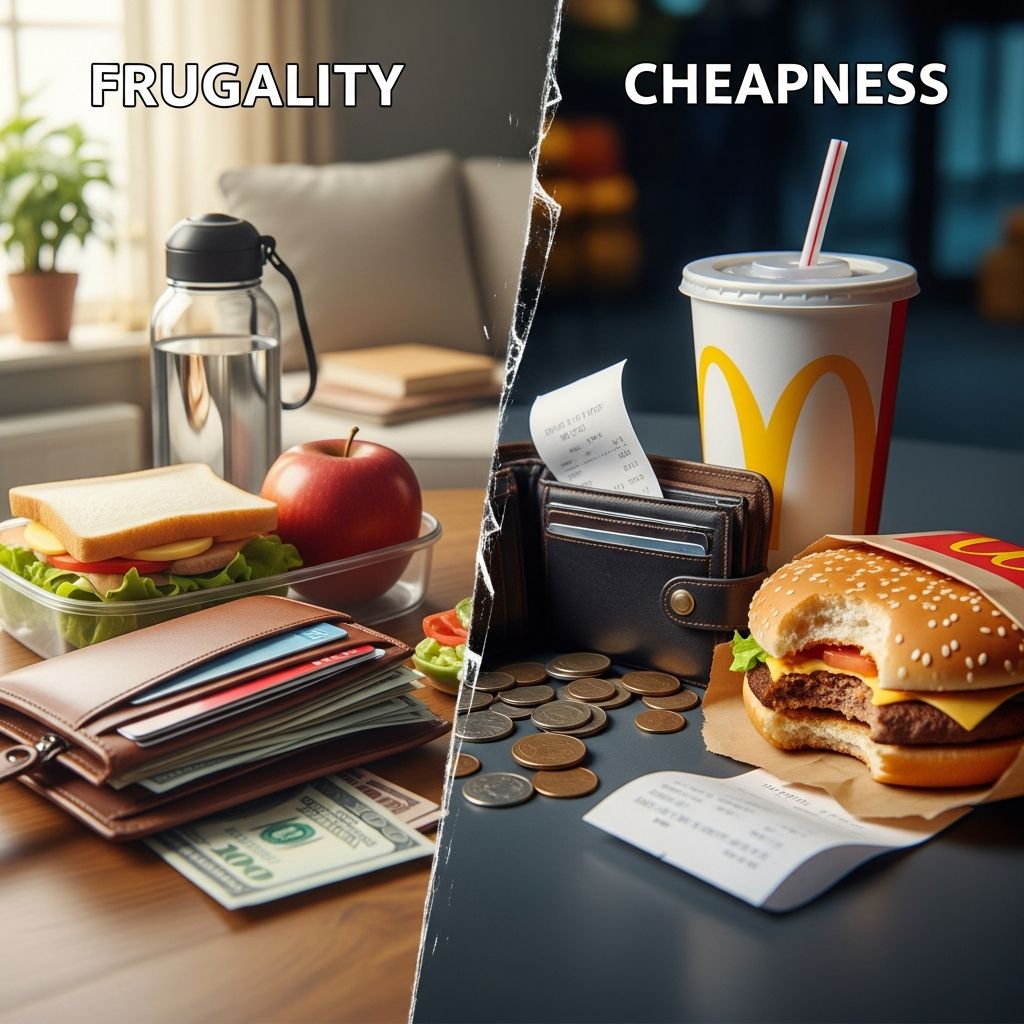
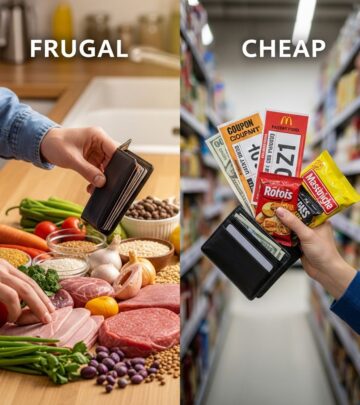
Frugality is a virtue in personal finance, helping individuals build wealth and achieve financial independence by making thoughtful spending decisions. However, there’s a thin line between being frugal and being cheap. Frugal people prioritize value, quality, and long-term benefits, willingly spending on what truly matters while cutting unnecessary costs. Cheap people, conversely, fixate on minimizing every expense, often at the expense of quality, convenience, relationships, and even their own well-being. This article explores 10 clear signs that you’ve crossed from frugal to cheap, drawing on expert distinctions to help you course-correct and enjoy life while saving effectively.
Understanding Frugal vs. Cheap: The Core Difference
Frugality means getting the most value from your money, understanding your priorities, and investing in durable, high-quality items that last. It’s about strategic penny-pinching that enriches life, such as buying a reliable used car instead of a new luxury model to avoid depreciation. Cheapness, however, is shortsighted: refusing to spend even when it enhances life or relationships, like serving guests the bare minimum or skipping maintenance to save pennies.
According to financial experts, frugal savers reflect on what brings lasting joy—travel, education, or quality goods—while cheap individuals save at all costs, potentially damaging happiness and connections. Recognizing this distinction is crucial before habits solidify.
10 Signs You’ve Gone From Frugal to Cheap
Here are the telltale indicators that thriftiness has tipped into miserliness. If several resonate, it’s time to reassess.
- 1. You Buy the Cheapest Option Without Considering Quality. Frugal shoppers seek the best value, opting for durable items like a well-made pair of shoes that lasts years. Cheap buyers grab the lowest-priced version, leading to frequent replacements and higher long-term costs. For instance, cheap heels that fall apart after one wear exemplify this trap.
- 2. You Reuse Items Until They Fall Apart, Ignoring Safety or Hygiene. Skipping new underwear or using frayed towels might seem thrifty, but it compromises health and comfort. Frugal means maintaining standards; cheap means enduring discomfort to avoid spending.
- 3. You Haggle Over Every Penny, Even Trivial Amounts. Negotiating a big-ticket item is frugal; arguing over a 50-cent coupon at checkout annoys everyone and signals cheapness. This erodes relationships and time value.
- 4. Your Home Looks Neglected Due to Deferred Maintenance. Frugal homeowners fix leaks promptly to prevent bigger issues. Cheap ones let problems fester, resulting in costly repairs later, like a small roof patch turning into a full replacement.
- 5. You Serve Subpar Meals to Guests or Skip Hospitality Altogether. A frugal host plans nutritious, enjoyable meals thoughtfully sourced. A cheap one offers ramen or asks guests to bring everything, prioritizing savings over shared joy.
- 6. You Avoid Necessary Professional Services, DIYing Everything. Frugal means learning skills wisely, but cheap insists on DIY dentistry or car repairs beyond competence, risking injury or expensive fixes.
- 7. Your Wardrobe is Filled with Ill-Fitting or Worn-Out Clothes. Frugal invests in timeless pieces; cheap accumulates mismatched thrift finds that go unworn, like ill-fitting cheap leggings signaling lowered standards.
- 8. You Refuse to Spend on Experiences That Enrich Life. Skipping family vacations or concerts because ‘it’s too expensive’ is cheap. Frugal budgets for meaningful travel or education that creates lasting memories.
- 9. You Accumulate Clutter from ‘Free’ or Ultra-Cheap Items. Hoarding free samples or dollar-store junk leads to disorganization and wasted time searching through piles. Frugal declutters ruthlessly; cheap clings to ‘bargains’.
- 10. You Put Off Essential Purchases Indefinitely. Delaying a needed car repair or medical checkup until crisis hits is cheap. Frugal plans and buys proactively to avoid escalation.
How Being Cheap Costs You More Than Money
Beyond finances, cheap habits erode quality of life. Time wasted repairing shoddy goods, strained relationships from stinginess, and diminished happiness from forgoing joys add up. Studies and experts note cheapness sacrifices convenience and bonds for short-term savings. For example, a cheap car breakdown strands you, costing hours and towing fees—far more than preventive maintenance.
| Aspect | Frugal Approach | Cheap Pitfall | Long-Term Cost |
|---|---|---|---|
| Purchases | Quality over lowest price | Cheapest available | Frequent replacements |
| Time | Efficient value-seeking | Hoarding/clutter | Hours lost organizing |
| Relationships | Generous where it counts | Miserly hosting | Damaged connections |
| Health/Safety | Timely maintenance | Deferred fixes | Emergencies/illness |
3 Strategies to Stay Frugal Without Becoming Cheap
Reclaim balance with these expert-backed tactics.
- Minimize Urgent Essentials Thoughtfully. Audit housing, food, transport: Choose cheaper options that still meet needs, like store brands or public transit passes, without sacrificing nutrition or commute time.
- Evaluate Splurges for Lasting Value. Review statements: Keep coffee if it sparks joy, ditch impulse buys. Prioritize free/low-cost alternatives like library books over rentals.
- Invest in Quality and Experiences. Buy once-cry-once items and budget for travel or dining that matters. Frugality thrives on intentionality, not deprivation.
Frugal Habits That Enhance Life
Embrace these to save smartly: Meal planning with generics, buying used reliable cars cash, energy-efficient upgrades, and free community events. Frugal parents enrich kids via travel despite modest homes.
Frequently Asked Questions (FAQs)
Q: What’s the main difference between frugal and cheap?
A: Frugal prioritizes value and life enrichment; cheap minimizes spending at all costs, often harming quality and relationships.
Q: Can being cheap save money in the short term?
A: Yes, but it often leads to higher long-term costs from replacements, repairs, and lost opportunities.
Q: How do I know if my spouse is frugal or cheap?
A: Frugal seeks best deals on needs; cheap delays necessities or buys inferior quality indefinitely.
Q: Is haggling always cheap?
A: No, on big purchases it’s frugal; on tiny amounts, it’s excessive.
Q: How can I shift from cheap to frugal?
A: Reflect on spending value, invest in durables, and budget for joys.
This comprehensive guide empowers you to harness frugality’s benefits without cheapness’s pitfalls, fostering wealth and fulfillment.
References
- The Difference Between Being Cheap And Being Frugal — Wes Moss. 2023-05-15. https://www.wesmoss.com/news/the-difference-between-being-cheap-and-being-frugal/
- 3 ways to be frugal without being cheap — Fidelity Investments Canada. 2024-02-20. https://www.fidelity.ca/en/insights/articles/frugal-without-being-cheap/
- Frugal Vs. Cheap: What’s the Difference? — HerMoney. 2023-11-10. https://hermoney.com/save/budgeting/difference-between-frugal-and-cheap/
- Is Your Spouse Frugal or Just Really Cheap? 5 Ways to Find Out — MoneyRates. 2024-08-05. https://www.moneyrates.com/personal-finance/spouse-frugal-cheap.htm
- 10 Signs You’ve Gone From Frugal to Cheap — Money Talks News. 2023-07-12. https://www.moneytalksnews.com/10-signs-youve-gone-from-frugal-cheap/
Similar Articles








Read full bio of medha deb