Signs Your Bank Is Draining Your Wallet
Discover key indicators that your current bank is costing you more than it should, and learn how to find a better financial partner today.

Your bank should be a trusted partner in managing your finances, not a silent thief picking at your pockets. Many people stick with the same institution for years, unaware that better alternatives exist that could save them hundreds annually. This guide explores critical red flags signaling it’s time for a change, backed by real-world insights from banking experts and consumer data.
Excessive Fees Eating Into Your Savings
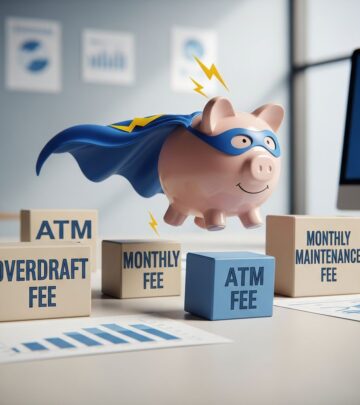
One of the most common complaints among bank customers is the accumulation of fees that seem to appear out of nowhere. Monthly maintenance charges, overdraft penalties, and out-of-network ATM withdrawals can quickly erode your balance. For instance, overdraft and insufficient funds fees alone generated over $15 billion in revenue for banks in 2019, with typical charges ranging from $30 to $35 per incident. These costs add up, especially for those living paycheck to paycheck.
Examine your recent statements: if you’re paying more than $10 monthly in avoidable fees, it’s a clear warning. Progressive banks now offer fee-free checking accounts that waive charges for direct deposits or minimum balances. Switching to such options can immediately preserve your hard-earned cash.
- Monthly service fees: Often $5–$15, waivable with conditions like e-statements.
- ATM fees: Up to $5 per transaction outside your bank’s network.
- Overdraft protection: Opt-in programs that charge high rates instead of declining transactions for free.
Low or Non-Existent Interest Rates
In an era of elevated federal funds rates, many traditional banks lag behind with paltry APYs on savings and checking accounts. As of early 2026, the national average savings rate hovers around 0.39% APY, while competitive online banks offer over 3.00%—a difference that compounds significantly over time. If your account earns little to no interest, your money isn’t working for you.
Consider this: on a $10,000 balance, 0.39% yields just $39 yearly, versus $300+ at 3%. High-yield accounts from digital-first institutions maximize returns without sacrificing accessibility. Look for banks that pass on Fed rate hikes promptly to their customers.
| Account Type | Average APY (Traditional) | Competitive APY (Online Banks) | Annual Earnings on $10K |
|---|---|---|---|
| Savings | 0.39% | 3.00%+ | $39 vs. $300+ |
| Checking | 0.01% | 1.00%+ | $1 vs. $100+ |
Poor Customer Service and Accessibility Issues
Long hold times, unhelpful representatives, and limited branch access frustrate millions. Over 75% of consumers now rely on mobile apps for banking, making subpar service a deal-breaker. Check online reviews: if your bank’s ratings dip below 4 stars consistently, explore alternatives with proven responsiveness, like those boasting 1,600+ five-star reviews.
Relocation or job changes exacerbate this. If branches and fee-free ATMs are scarce, everyday tasks like cash deposits become ordeals. Regional banks often provide denser networks and superior support tailored to local needs.
Outdated Digital Tools and Mobile Experience
A clunky app or glitchy online platform turns banking into a chore. Features like instant transfers, budgeting tools, and robust security are standard today. If your bank’s tech feels prehistoric—lacking biometric login, real-time alerts, or seamless bill pay—it’s holding you back.
Modern platforms from innovative banks integrate AI-driven insights, helping you track spending and avoid fees proactively. With 60% of users preferring apps over branches, prioritizing digital excellence ensures convenience on your terms.
Questions About Financial Stability and Security
Worrying about your bank’s health amid economic shifts is valid. Shaky institutions offer low rates and may impose restrictive policies. Seek FDIC-insured banks with strong capital ratios, transparent performance, and competitive perks. Stability means peace of mind, especially for larger balances protected up to $250,000 per depositor.
Benefits of Making the Switch
Beyond dodging pitfalls, new banks deliver perks like cash bonuses, enhanced rewards, and tailored accounts (e.g., HSAs for medical expenses). Compound interest from better rates accelerates wealth-building, while no-fee structures free up funds for investments.
Step-by-Step Guide to Switching Banks Smoothly
Transitioning doesn’t have to disrupt your life. Follow this proven process:
- Research Options: Compare fees, rates, and reviews using tools from sites like Bankrate.
- Open New Account: Apply online or in-branch; many offer switch kits for automation.
- Redirect Deposits and Payments: Update employer payroll, bills, and subscriptions. List all automatics to avoid gaps.
- Transfer Funds: Move balances via ACH; keep old account open briefly for stragglers.
- Monitor and Close: Verify 1–2 months of smooth activity, then close the old account in writing.
Pro tip: Maintain both accounts overlapping for 30 days to catch issues.
Types of Banks to Consider
- Online-Only: Highest rates, no branches, ideal for digital natives.
- Regional: Personalized service, local access.
- Credit Unions: Member-owned, often lower fees.
- Big Banks with Perks: Vast ATM networks if convenience trumps rates.
Frequently Asked Questions (FAQs)
Is it hard to switch banks?
No—most take under an hour with switch services. Plan ahead for automatics.
What if I have a loan or credit card with my bank?
Keep those separate; focus on deposit accounts first.
Are online banks safe?
Yes, FDIC-insured up to $250,000, often with advanced fraud protection.
How much can I save by switching?
Hundreds yearly via fees avoided and rates gained—varies by balance.
When is the best time to switch?
Post-payday, after listing all transactions.
Real-Life Impact: Case Studies
Take Sarah, who ditched $12 monthly fees and 0.1% savings rates for a no-fee, 4% APY account—saving $250 in year one. Or Mike, frustrated by app crashes, who gained budgeting tools boosting his savings by 20%.
Don’t let inertia cost you. Evaluate today and reclaim control.
References
- 5 Signs It’s Time To Switch Your Checking Account — Centier Bank. 2023. https://www.centier.com/resources/articles/article-details/5-signs-it’s-time-to-switch-your-checking-account
- 4 Signs It’s Time to Switch Banks — Dundee Bank. 2023. https://dundeebank.com/4-signs-its-time-to-switch-banks/
- 5 Signs It’s Time to Switch Banks — Fidelity Bank. 2023. https://www.fidelitybanknc.com/blog/5-signs-its-time-to-switch-banks/
- 6 Signs It’s Time to Switch Your Bank — Stearns Bank. 2023. https://www.stearnsbank.com/resources/blog/6-signs-its-time-to-switch-your-bank
- 5 Reasons to Switch Bank Accounts — SoFi. 2026-02-17. https://www.sofi.com/learn/content/reasons-to-switch-bank-accounts/
- 5 Reasons Switching Banks May Be Worth It — Bankrate. 2023. https://www.bankrate.com/banking/why-switching-banks-may-be-worth-it/
Similar Articles








Read full bio of medha deb