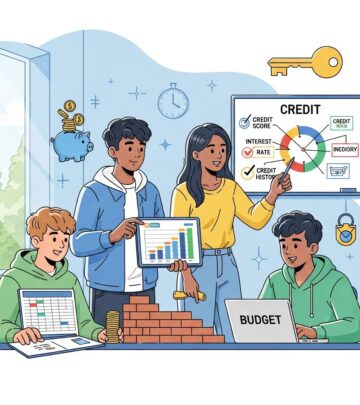
Signs Your Teen Is Ready to Handle Credit
Discover the key indicators that show your teenager is prepared to responsibly manage credit cards and build a strong financial future.

Introducing your teenager to credit can be a pivotal step toward financial independence, but timing is everything. Giving a teen a credit card too early risks fostering poor habits like overspending or accumulating debt, while waiting too long misses opportunities to build credit history. The key is identifying clear signs of readiness. This guide outlines five essential indicators that your teen is prepared to handle credit responsibly, drawing from expert financial advice to help parents make informed decisions.
Financial literacy starts early, and credit education is crucial for teens entering adulthood. According to financial experts, teens who demonstrate maturity in money matters are better equipped to avoid common pitfalls like high-interest debt. By monitoring these signs, parents can guide their children toward healthy credit habits that benefit them long-term.
5 Signs Your Teen Is Ready to Handle Credit
Here are the primary indicators that your teenager has the maturity and skills needed for credit management. Each sign builds on foundational financial knowledge and personal discipline.
1. Your Teen Talks About Money
The first sign your teen is ready for credit is active engagement in money conversations. If your teenager initiates discussions about budgeting, saving, or the cost of living without prompting, they’re showing curiosity and awareness—key traits for credit users.
Teens who ask questions like “How do you decide what to spend on?” or “What’s a credit score?” are demonstrating financial literacy. This openness allows parents to teach concepts like interest rates and credit utilization. Research emphasizes that early financial dialogues protect teens from predatory lending and poor debt decisions. Encourage this by sharing real-life examples, such as how carrying a credit card balance incurs fees.
- They track their allowance or part-time job earnings.
- They express interest in apps for budgeting or saving.
- They understand basic terms like ‘interest’ and ‘debt.’
Building this foundation early sets the stage for responsible credit use. As noted by banking experts, teens with strong money-talk habits are more likely to manage accounts independently.
2. Your Teen Is Ready to Accept Limits
A mature teen understands boundaries, which is critical for credit card success. If your child respects spending caps on allowances or debit cards and sticks to them, they’re likely ready to handle credit limits.
Impulse control is non-negotiable; credit cards tempt overspending. Teens prone to peer-pressure purchases or exceeding budgets need more time. Honesty about personal discipline is vital—self-aware teens who admit weaknesses are better prepared. Parents can test this by setting strict rules on prepaid cards before transitioning to credit.
- They adhere to a weekly spending allowance without complaints.
- They prioritize needs over wants, like saving for big purchases.
- They accept ‘no’ on non-essential buys.
Financial advisors recommend supervised tools like teen checking accounts to build this discipline. Products with no fees and parental controls, such as Campus Checking, help teens learn limits safely.
3. Your Teen Is Already Responsible With Money
Responsibility with existing funds is a top readiness signal. If your teen manages a checking or savings account flawlessly—paying ‘bills’ like phone top-ups on time and avoiding overdrafts—they’re primed for credit.
Employment plays a huge role; part-time jobs teach income stability and the value of earning. Teens with jobs grasp that credit requires repayment from real earnings. Look for on-time bill payments and emergency savings habits, as these predict credit success.
| Responsibility Indicator | Why It Matters for Credit |
|---|---|
| Maintains positive bank balance | Prevents debt cycles |
| Pays personal expenses promptly | Builds payment history |
| Has a basic budget | Controls spending |
Opening teen-friendly accounts reinforces this. No-minimum-balance options with debit cards provide hands-on practice without credit risk.
4. Your Teen Understands the Consequences
Knowledge of risks separates ready teens from novices. If your child comprehends how late payments ding credit scores or how high utilization hurts approvals, they’re informed.
Explain credit reports: detailed records of debts and payments that lenders review. Poor credit leads to higher rates on loans or rentals. Teens should know factors like payment history (35% of FICO score) and credit mix. Use real examples: overspending more than income leads to fees and stress.
- Avoids ‘buy now, pay later’ traps without guidance.
- Recognizes debt’s long-term impact, like on college loans.
- Asks about credit-building strategies.
Review their credit report after authorized user status to visualize impacts. This transparency builds accountability.
5. Your Teen Has Income
Steady income is non-negotiable for credit approval, even student cards. Part-time jobs or allowances count, proving repayment ability.
Under 21, teens can list scholarships or household contributions. Income teaches hard work and independence, essential for credit. Without it, reliance on parents risks misuse.
- Consistent part-time earnings (e.g., retail, babysitting).
- Understands income must cover potential payments.
- Balances work with school.
Experts advise starting with jobs before credit to build history naturally.
How to Safely Introduce Credit to Your Teen
Once signs align, ease in gradually. Add as authorized user on your card for 6 months to build history without full liability—then review reports together.
At 18, transition to secured/student cards with low limits. Supervise: set alerts, review statements, mandate full payoffs. Teach rules: pay on time, stay under 30% utilization, avoid cash advances.
Common pitfalls to drill: Don’t spend beyond means, carry balances, or ignore due dates. Use apps for tracking to reinforce habits.
Building Financial Foundations First
Credit readiness stems from basics. Start with allowances teaching budgeting, then bank accounts. Discuss family finances openly to normalize money talks.
Tools like Capital One MONEY Teen Checking offer fee-free debit with controls. Pair with savings lessons for emergencies.
Frequently Asked Questions (FAQs)
What age is best for a teen’s first credit card?
Typically 18 for independent cards, but authorized user status can start earlier (13-17) with supervision. Readiness trumps age.
Can teens under 18 build credit?
Yes, as authorized users on parent cards, positively impacting scores if managed well.
What if my teen shows only some signs?
Practice with debit/prepaid cards first. Delay credit until all signs emerge to avoid debt.
How do I check my teen’s credit report?
Free annually via AnnualCreditReport.com; review after authorized use.
Are student credit cards safe for beginners?
Yes, with income/budgeting; they offer rewards but require discipline.
Final Thoughts on Teen Credit Readiness
Spotting these signs empowers parents to launch teens into credit confidently. Prioritize education, supervision, and habits for a debt-free future. Financial success builds over time through smart decisions.
References
- Teen Talk: How Building Credit Instills Hard Work, Spending Habits and Financial Responsibility — Adirondack Bank. 2023. https://www.adirondackbank.com/blog/teen-talk-how-building-credit-instills-hard-work-spending-habits-and-financial-responsibility
- Teens, Money, and Credit Cards — How to Prepare and Manage — White Coat Investor. 2024. https://www.whitecoatinvestor.com/teens-money-and-credit-cards-how-to-prepare-and-manage/
- 6 Signs You’re Ready For A Student Credit Card — Bankrate. 2025-01-10. https://www.bankrate.com/credit-cards/advice/signs-youre-ready-for-a-student-credit-card/
- Financial Literacy for Teens: Preparing the Next Generation — Consolidated Credit. 2024. https://www.consolidatedcredit.org/financial-news/financial-literacy-for-teens-preparing-the-next-generation/
- Is Your Teen Ready for A Credit Card? — MoneyRates. 2024. https://www.moneyrates.com/personal-finance/signs-teen-ready-handle-credit.htm
Similar Articles








Read full bio of Sneha Tete