Signs a House is a Money Pit with Expensive Repairs
Spot these 6 critical warning signs of a money pit house before buying to avoid costly repairs and financial pitfalls.
Shopping for a home involves navigating unknowns that can lead to purchasing a money pit—a property riddled with hidden defects requiring substantial unexpected expenditures. Recognizing these red flags early can safeguard your finances and ensure a sound investment.
Home Buyers Should Look for these 6 Signs a House is a Money Pit
The 1986 comedy The Money Pit humorously depicts a couple’s nightmare after snagging a bargain mansion that unravels with endless breakdowns. While fictional, countless real-life buyers face similar woes, sinking funds into surprise repairs post-purchase. This guide outlines six pivotal warning signs to identify potential money pits, drawing from expert insights and common homeowner pitfalls.
Acquiring a residence ranks among life’s largest financial commitments. In today’s market, even with reduced competition, the hunt exhausts buyers touring numerous properties. Prioritizing thorough evaluation distinguishes viable investments from lurking liabilities. Home staging masks flaws, so scrutinize beyond surface allure.
6 Warning Signs of a Money Pit House
1. Poor Curb Appeal and Neglect
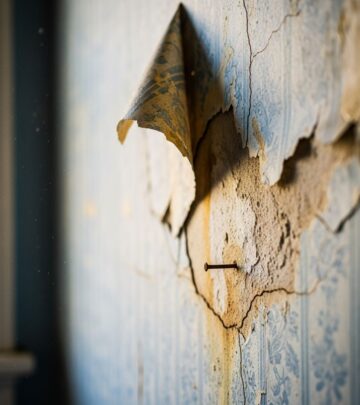
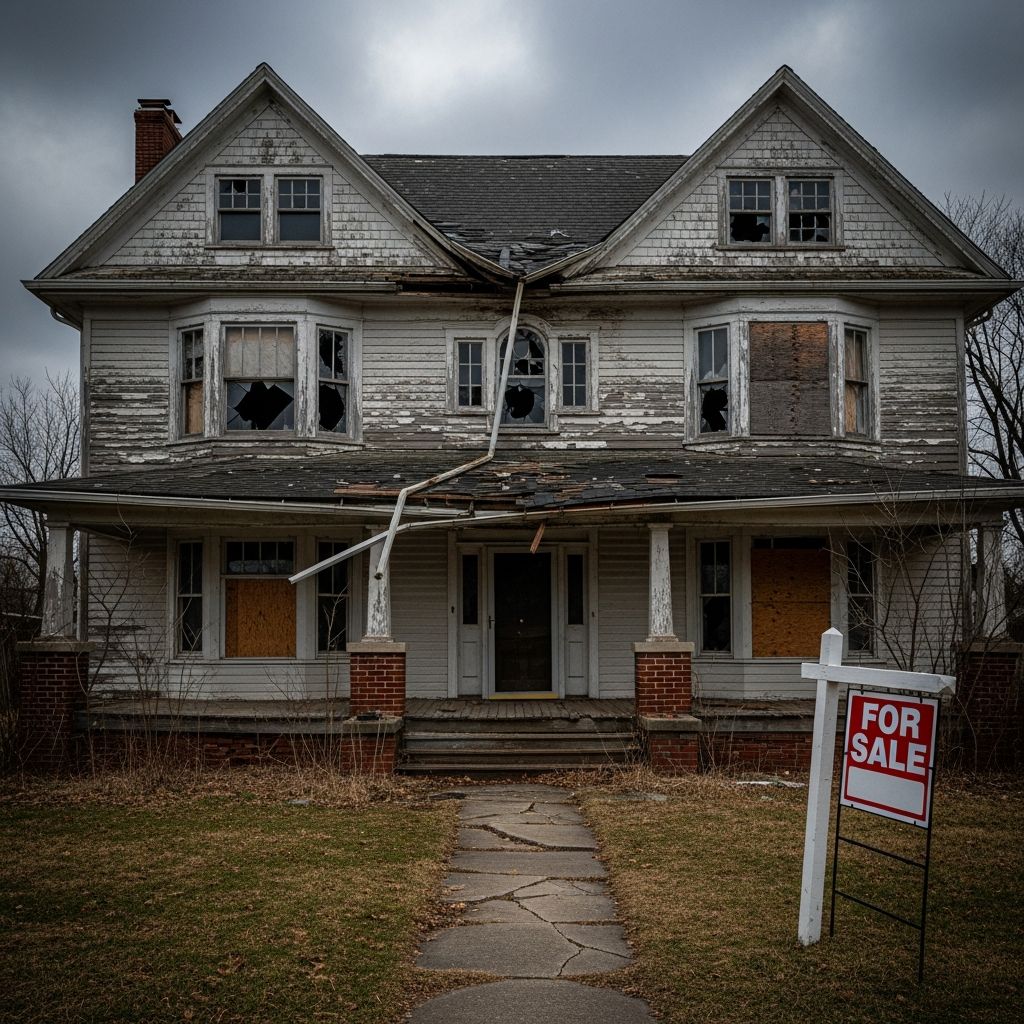
Curb appeal sets the first impression and reveals maintenance history. Peeling paint, overgrown lawns, cracked driveways, or sagging fences signal neglect that permeates indoors. These cosmetic issues often hint at deeper structural woes.
Jon Sanborn, co-founder of SD House Guys, warns: “This can include things like peeling paint, cracked walls or ceilings, outdated plumbing or electrical systems and unmaintained landscaping. These issues may seem minor at first glance, but they can quickly add up to expensive repairs and renovations down the line.”
Neglected exteriors correlate with interior decay. Faded siding may conceal rot, while unkempt yards suggest ignored gutter systems prone to water intrusion. Budget $3,000–$6,000 for basic siding replacement and $2,000–$2,500 for repainting a modest home, costs that escalate with labor inflation.
- Check for chipped or blistering paint indicating moisture exposure.
- Inspect landscaping for dead plants or erosion near foundations.
- Look for mismatched repairs suggesting patchwork fixes.
2. Outdated Systems
A home’s bones—plumbing, electrical, and HVAC—demand scrutiny. Outdated wiring (knob-and-tube or aluminum) poses fire hazards and fails modern insurance standards. Rusty pipes signal corrosion, while inefficient furnaces guzzle energy.
Full rewiring costs $4,000–$10,000, repiping $6,000–$10,000, per recent estimates accounting for rising material and labor prices. Ignoring these invites immediate post-purchase overhauls.
| System | Warning Signs | Avg. Repair Cost (2025) |
|---|---|---|
| Electrical | Exposed wires, frequent breaker trips, outdated panels | $6,000–$10,000 |
| Plumbing | Rust stains, low pressure, galvanized pipes | $6,000–$10,000 |
| HVAC | Noisy operation, uneven heating, age over 15 years | $5,000–$12,000 |
3. Uneven Floors and Cracks
Uneven flooring, especially on ground levels, screams foundation trouble. Stairstep cracks in brickwork, wide gaps at door frames, or drywall separations indicate settling or shifting soil.
Seamus Nally, CEO of TurboTenant, emphasizes: “Foundational damage is the kind of damage that you can’t exactly put off until you feel financially comfortable making the investment. It has to be addressed ASAP, and it’s probably going to be quite expensive.” Repairs range $10,000–$50,000+ depending on severity, often requiring piers or slab jacking.
- Test floors with a marble; rolling signals slopes.
- Measure cracks; hairline may be cosmetic, wider than 1/4-inch demand attention.
- Observe doors/windows; sticking implies frame distortion.
4. Discoloration
Subtle stains betray water intrusion, the priciest culprit. Yellowing ceilings, warped baseboards, or dark patches near windows/roofs point to leaks fostering mold and rot.
Sebastian Frey, broker associate at Compass, notes: “Mold remediation and dry rot repairs can be very, very expensive, in particular when the house is larger. Large roofs in particular can be extremely expensive. Depending on the design and size of the roof, that alone could be over $100,000.” Roof replacements hit $4,000–$20,000; mold cleanup adds $5,000–$30,000.
Probe suspicious areas; soft spots underfoot confirm rot. Skylights and vents are common offenders.
5. Strange Odors
Pungent mustiness screams damp basements or mildew. Urine scents suggest rodent infestations damaging insulation and wiring. Persistent odors defy air fresheners, revealing concealed decay.
Insects like termites silently devour wood framing. Differentiate seasonal pests from structural invasions; latter demand tenting at $1,200–$2,500 plus repairs. Sniff every room, basement, and attic.
6. Pest Issues
Beyond odors, visible droppings, wood chew marks, or swarms indicate unchecked infestations. Termites cause $5 billion in U.S. damage yearly, per official estimates. Rodents chew electrical, risking fires.
Pervasive issues mean prior owners skipped treatments, leaving you repair bills. Inspect crawlspaces for mud tubes or frass (termite droppings).
Keeping Your Money Out of the Pit
Armed with awareness, deploy strategies to evade traps. Hire certified inspectors from InterNACHI or ASHI; they uncover 90% of issues pre-close.
Jon Sanborn advises: “Make sure the home inspector is licensed and certified by a reputable organization.” Expect $300–$500 fees, pennies versus repair costs.
Review Seller’s Property Disclosure mandating issue disclosures. Courtney Klosterman of Hippo Insurance states: “Sellers must put into writing any concerns or issues they’ve had with their home. Asking for a copy of this report can help you determine whether your potential investment is a good one.”
Negotiate repairs or credits post-inspection. Walk from severe red flags. Routine maintenance post-purchase prevents escalation.
- Schedule annual inspections.
- Clean gutters biannually.
- Monitor for new cracks quarterly.
Frequently Asked Questions (FAQs)
What is a money pit house?
A money pit house appears affordable but harbors extensive hidden defects demanding ongoing expensive repairs, eroding savings rapidly.
How much do foundation repairs cost?
Costs range $10,000–$50,000+, varying by home size and damage extent; address immediately to prevent worsening.
Can I spot water damage myself?
Yes, look for discoloration, warping, or musty odors around windows, roofs, and basements; hire pros for confirmation.
Is poor curb appeal always a dealbreaker?
Not always, but it often signals broader neglect; cosmetic fixes are cheap, but underlying issues compound costs.
How to choose a home inspector?
Select licensed pros from InterNACHI/ASHI with strong reviews; verify insurance and sample reports.
What if the seller hides issues?
Disclosures are legally required; inspections and disclosures mitigate risks. Sue for fraud if proven.
By heeding these signs—from curb neglect to pest woes—buyers sidestep the money pit abyss. Invest wisely for lasting value.
References
- Signs A House is a Money Pit with Expensive Repairs — The Penny Hoarder. 2023. https://www.thepennyhoarder.com/home-buying/signs-a-house-is-a-money-pit-expensive-repairs/
- Cost to Repair Houses in 2024/2025 vs 2017 — Investfourmore (YouTube). 2024. https://www.youtube.com/watch?v=TVWIuHIEdPY
- Most expensive home repairs in 2025 and how to prevent them — Times Union. 2025-01-01. https://www.timesunion.com/realestate/article/expensive-home-repairs-2025-prevent-21109736.php
- 12 Ways to Save Big on Home Improvements — The Penny Hoarder. 2023. https://www.thepennyhoarder.com/save-money/save-on-home-improvements/
Similar Articles








Read full bio of medha deb