Shoulder Surfing: The Hidden Threat to Your Data
Discover how sneaky observers steal your passwords and PINs in everyday places, and master simple defenses to protect your privacy today.

Shoulder surfing represents one of the most straightforward yet overlooked dangers in the digital age. This tactic involves attackers covertly watching individuals as they input sensitive details on devices, capturing everything from login credentials to financial data without any need for sophisticated hacking tools. Unlike remote cyber intrusions, it thrives on physical proximity and human distraction, making crowded public areas prime hunting grounds.
Defining the Core Mechanics of Shoulder Surfing
At its essence, shoulder surfing is a form of social engineering where perpetrators position themselves to visually intercept confidential inputs. This could mean peering directly at a smartphone screen during a banking app login or noting keystrokes on a laptop keyboard in a coffee shop. The term evokes the image of someone craning their neck over another’s shoulder, but modern variations extend to distant surveillance.
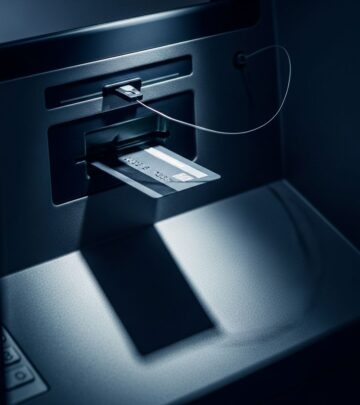
Attackers exploit everyday scenarios where vigilance wanes. For instance, while you’re focused on typing your PIN at an ATM, a nearby individual might memorize the sequence. This low-tech approach requires no software exploits, relying instead on opportunity and stealth. Its simplicity amplifies its prevalence, as anyone—from opportunistic thieves to organized criminals—can execute it effectively.
Common Venues Where Attacks Thrive
Public spaces amplify the risk due to high foot traffic and reduced personal space. Consider these high-risk environments:
- Public Transportation: Buses, trains, and subways pack people closely, allowing attackers to glance at screens over shoulders or via reflections in windows.
- ATMs and Payment Kiosks: Dimly lit machines invite onlookers who observe PIN entries from a few feet away.
- Cafes and Co-Working Areas: Shared tables in bustling spots let strangers view laptops or phones during work sessions.
- Airports and Waiting Lounges: Long waits distract travelers, making device use a vulnerability.
- Retail Checkouts: Contactless payments or loyalty app logins expose card details or codes.
In these settings, the chaos of crowds provides perfect cover. Attackers blend seamlessly, often posing as fellow commuters or patrons, heightening the challenge of detection.
Techniques Employed by Savvy Observers
Shoulder surfing evolves beyond mere peeking. Perpetrators deploy varied methods to maximize success while minimizing exposure:
| Method | Description | Risk Level |
|---|---|---|
| Direct Peering | Standing or sitting immediately behind the target to watch inputs live. | High (requires proximity) |
| Reflective Surveillance | Using mirrors, glass panes, or shiny surfaces to view screens indirectly. | Medium |
| Optical Aids | Binoculars, zoom lenses on smartphones, or tiny cameras for remote viewing. | Low (distance advantage) |
| Audio Capture | Eavesdropping on spoken passcodes or using directional mics for verification codes. | Medium |
| Recording Devices | Hidden cams filming keypads or screens for later analysis. | Low |
These techniques adapt to contexts. In a quiet library, reflective methods prevail; on a noisy street, audio eavesdropping complements visuals. Sophisticated actors might chain observations, watching multiple inputs to piece together full access profiles.
Real-World Ramifications of Successful Attacks
The fallout from shoulder surfing extends far beyond momentary embarrassment. Captured credentials unlock bank accounts, email inboxes, and corporate networks. Victims face:
- Financial drain through unauthorized transactions or drained savings.
- Identity theft, where stolen data fuels fraudulent loans or profiles.
- Corporate breaches if work devices reveal VPN logins or client info.
- Long-term credit damage from opened bogus accounts.
Statistics underscore the urgency: social engineering, including shoulder surfing, accounts for a significant portion of data compromises, with public incidents surging in urban areas. One overlooked entry point can cascade into multifaceted fraud, emphasizing proactive defenses.
Advanced Variations in the Digital Era
Technology both enables and complicates shoulder surfing. Attackers now leverage wearable cams or AI-enhanced apps that transcribe observed screens in real-time. Hybrid threats emerge too, where visual spying feeds phishing follow-ups—using noted usernames to craft targeted emails.
Remote work blurs lines further. Video calls in cafes expose shared screens to bystanders, inadvertently broadcasting sensitive dashboards. Even privacy-focused apps falter if gestures or partial views betray patterns, like swipe directions on pattern locks.
Layered Strategies to Neutralize the Threat
Countering shoulder surfing demands a blend of tech tools, habits, and awareness. Start with physical barriers:
- Install privacy screen filters on devices, limiting visibility to straight-on angles.
- Cup your hand over keypads during PIN entry, a timeless ATM trick.
- Employ biometric logins like fingerprint or face ID, which require no visible inputs.
Behavioral shifts prove equally potent:
- Scan surroundings before inputting data—position backs to walls in public.
- Use virtual keyboards or password managers that randomize layouts.
- Avoid shoulder-facing seats on transit; opt for window spots.
For enterprises, policies mandating screen timeouts and awareness training reduce collective exposure. Multi-factor authentication (MFA) adds resilience, as spied passwords alone won’t suffice.
Table of Top Prevention Tools
| Tool | Function | Cost Range | Effectiveness |
|---|---|---|---|
| Privacy Screen Protector | Blacks out side views | $10-30 | High |
| Password Manager App | Auto-fills, generates strong creds | Free-$5/mo | High |
| Biometric Phone Lock | No typing needed | Built-in | Very High |
| Anti-Glare Laptop Cover | Reduces reflections | $20-50 | Medium |
| MFA Everywhere | Requires secondary verification | Free | Very High |
Recognizing and Responding to Suspicious Activity
Vigilance training sharpens instincts. Red flags include:
- Individuals lingering too close without purpose.
- Frequent glances at your screen from peripherals.
- Unusual devices pointed your way, like phones held oddly.
If spotted, calmly shield your device, relocate, and monitor accounts for anomalies. Report to venue security or authorities, especially in financial contexts. Post-incident, change all potentially compromised credentials immediately.[10]
FAQs: Essential Queries on Shoulder Surfing
What exactly counts as shoulder surfing?
It’s any unauthorized visual or auditory capture of sensitive inputs, from direct looks to camera recordings.
Is shoulder surfing only a physical threat?
Primarily yes, but it pairs with digital follow-ons like phishing using spied data.
Can privacy screens stop all attacks?
They block side views effectively but not direct overhead peeks or audio spying.
How common is this in workplaces?
Very, especially open offices or cafes used for remote work.
Does it affect biometric security?
Less so, as no codes are entered, though spoofing remains a separate risk.
Building a Culture of Digital Caution
Ultimately, shoulder surfing underscores a timeless truth: security hinges on human factors as much as technology. By fostering habits like environmental awareness and tool adoption, individuals fortify against this pervasive peril. Organizations amplify impact through simulations and policies, turning potential victims into sentinels. In an interconnected world, these defenses preserve not just data, but trust in daily interactions.
References
- What is Shoulder Surfing in Cyber Security? — GeeksforGeeks. 2023. https://www.geeksforgeeks.org/ethical-hacking/what-is-shoulder-surfing-in-cyber-security/
- Shoulder surfing (computer security) — Wikipedia. 2024-02-01. https://en.wikipedia.org/wiki/Shoulder_surfing_(computer_security)
- Shoulder Surfing — Beyond Identity. 2023. https://www.beyondidentity.com/glossary/shoulder-surfing
- What is shoulder surfing and how to prevent it? — Proton. 2024-01-15. https://proton.me/blog/shoulder-surfing
- Understanding Shoulder Surfing and How to Prevent It — LastPass Blog. 2023-11-20. https://blog.lastpass.com/posts/shoulder-surfing
- CYBERSECURITY FACT SHEET: Shoulder Surfing — U.S. Army Cyber Command (.mil). 2022-06-10. https://www.arcyber.army.mil/Resources/Fact-Sheets/Article/1440819/cybersecurity-fact-sheet-shoulder-surfing/
Similar Articles








Read full bio of Sneha Tete