Should You Sign Your Credit Card? 6 Ways To Protect It
Discover why signing your credit card remains a smart move in today's chip-driven payment world, despite fading relevance.
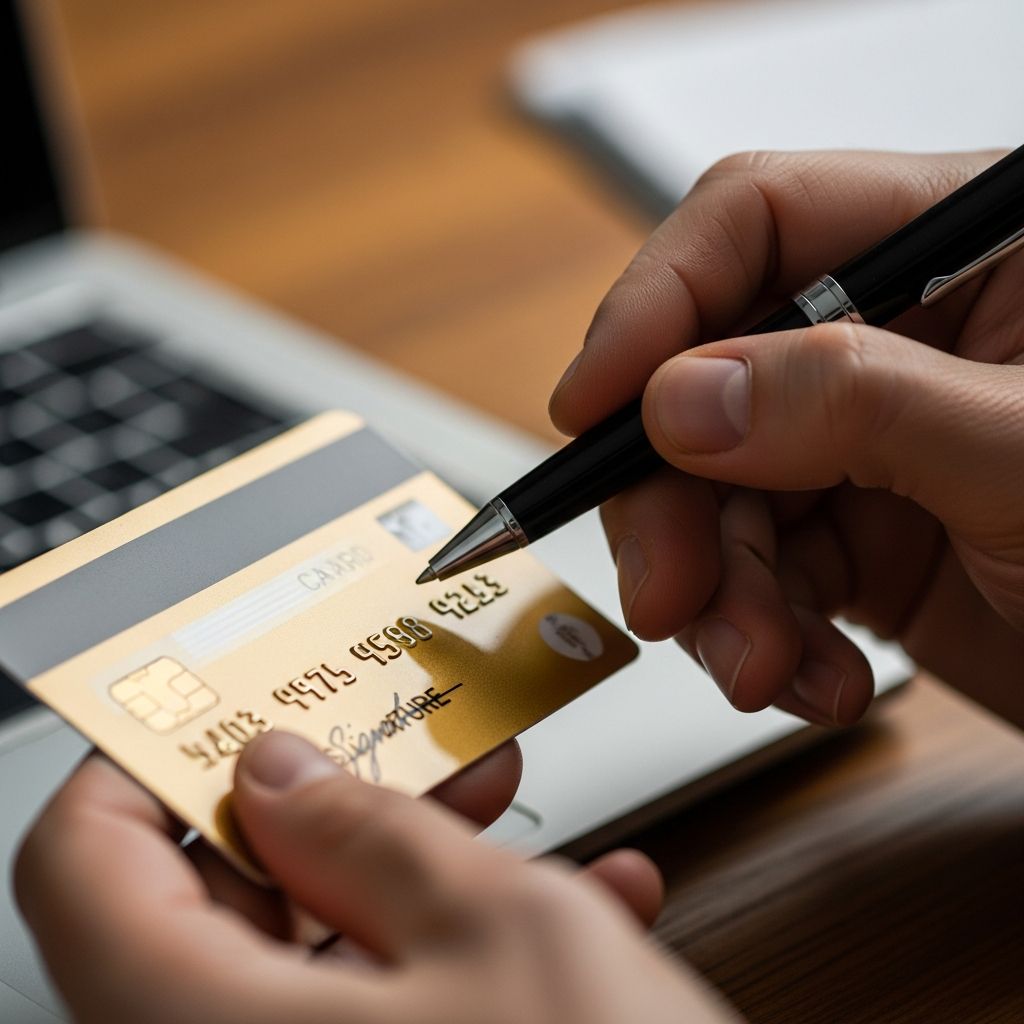
In an era dominated by
EMV chips
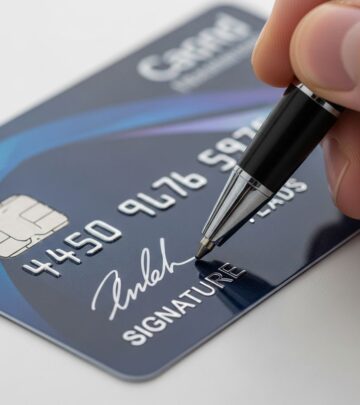
, contactless payments, and digital wallets, the humble signature on the back of a credit card feels like a relic. Yet, many cards still feature a designated strip urging you to scribble your name. Does signing it matter anymore? This article dives deep into the evolution of card security, weighs the risks and benefits, and provides actionable advice to keep your finances secure.The Decline of Signatures in Modern Transactions
Signatures once served as a primary line of defense against fraud, allowing merchants to match a customer’s handwritten mark against the one on the card. However, major networks like Visa, Mastercard, American Express, and Discover phased out mandatory signatures for chip-enabled transactions years ago. This shift coincided with widespread EMV adoption in the U.S., where chips generate unique transaction codes that are far harder to replicate than magnetic stripe data.
Today, fewer than 1% of merchants routinely check signatures, thanks to faster checkout processes and advanced verification like PINs or biometrics. Despite this, some legacy systems—particularly at small businesses or government offices like the U.S. Postal Service—still demand a signed card. Leaving it blank could lead to awkward declines at the counter.
Why Experts Recommend Signing Anyway
Financial institutions and security analysts unanimously advise signing if space is provided. Here’s why:
- Issuer Requirements: Certain banks deem an unsigned card invalid until activated with a signature, per cardholder agreements. Messages like “Not valid unless signed” appear on some cards.
- Merchant Rights: Businesses can refuse unsigned cards, viewing them as unverified or inactive. Independent retailers or service providers exercise this prerogative more often.
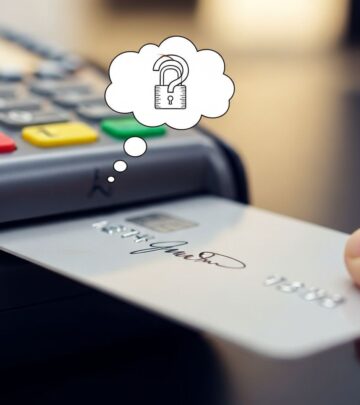
- Fraud Deterrence: A signed panel sets a benchmark; fraudsters must mimic it rather than invent one freely. While not foolproof, it’s a low-effort hurdle.
Capital One notes that while signatures aren’t crucial for fraud prevention post-EMV, compliance avoids unnecessary hassles. Discover echoes this, highlighting how signing prevents declined transactions.
Debunking Common Myths About Card Signing
Myths persist, fueled by outdated fears. Let’s separate fact from fiction in a clear comparison:
| Myth | Reality | Source Insight |
|---|---|---|
| Signing increases fraud risk by giving thieves your signature. | No evidence supports this; chips and networks handle primary security. Signatures are public anyway (e.g., receipts). | |
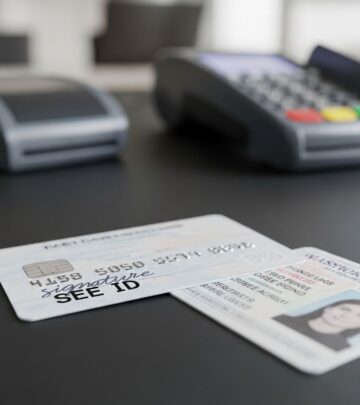
| “See ID” is a better alternative. | Issuers may void cards with this; merchants ignore it, and it offers no real protection. | |
| Blank panels protect against identity theft. | Unsigned cards invite forgers to use their own script; signing adds a verification layer. | |
| All merchants have ditched signatures. | Some, like USPS, still require them; chip readers don’t eliminate all checks. |
These misconceptions stem from pre-chip days when magstripes ruled. Modern tech like EMV renders signatures secondary but not obsolete.
How EMV Chips Revolutionized Card Security
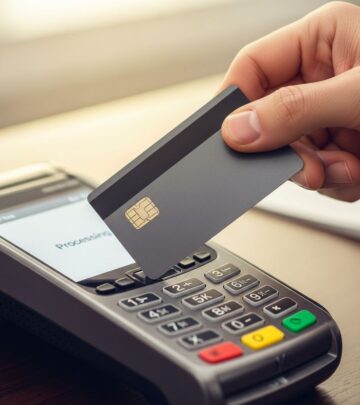
EMV (Europay, Mastercard, Visa) chips, rolled out widely in the U.S. around 2015, use dynamic data authentication. Unlike static magstripes vulnerable to skimming, chips produce a one-time cryptogram per swipe or tap. This slashed counterfeit fraud by over 70% in adopting regions, per network reports.
Signatures now play a supporting role, if any. Cybersecurity expert Scott Schober notes EMV’s superiority in preventing cloning, making rushed, illegible in-store scribbles irrelevant. Mastercard’s spokesperson called signatures an “antiquated practice” in 2018, yet panels persist for activation.
By 2026, contactless (NFC) payments further diminish signature needs, with limits up to $100 without verification in many spots. Still, signing ensures compatibility across all scenarios.
Real-World Scenarios: When Signatures Still Bite
Consider these cases:
- Small Businesses: A family-owned shop might eyeball your card’s back before ringing up a large purchase.
- Government Services: USPS mandates signed cards for packages or money orders.
- International Travel: Some overseas merchants cling to old habits, especially non-EMV holdouts.
- High-Value Transactions: Luxury retailers or car rentals may request ID and signature matches.
In a 2022 verification by News 19, sources like Visa confirmed signing poses no security risk and may be required for validity.
Top Strategies to Fortify Your Credit Card Beyond Signatures
Signatures are just one tool. Layer these proven defenses:
- Enable Alerts: Real-time texts for every charge catch anomalies instantly.
- Use Virtual Numbers: Services like Privacy.com generate disposable digits for online buys.
- Opt for Chip/PIN: Always insert over swiping; avoid magstripe when possible.
- Monitor Statements: Review weekly; report issues within 60 days for zero liability.
- Digital Wallets: Apple Pay/Google Pay tokenizes cards, masking real numbers.
- Limit Cards Carried: Leave extras in a secure spot; freeze unused ones via app.
Credit cards beat debit for fraud protection—federal law caps liability at $50 if reported promptly. Avoid wiring money or cash payments online.
Comparing Signature Practices Across Issuers
| Issuer/Network | Signature Policy | Key Recommendation |
|---|---|---|
| Visa/Mastercard | Optional for merchants; panels common for activation. | Sign to comply with bank terms. |
| Discover | Encourages signing to avoid declines. | Prevents fraud disputes. |
| American Express | Eliminated requirements; chip-focused. | Sign if panel exists. |
| Capital One | Not fraud-critical but advised. | Check agreement. |
Frequently Asked Questions (FAQs)
What happens if I don’t sign my credit card?
Rarely an issue, but possible declines at signature-requiring merchants or invalidation by issuer.
Is writing “See ID” safe?
No—many issuers reject it as non-compliant; offers zero protection.
Do debit cards need signatures too?
Similar rules apply; sign for validity, but chips dominate security.
How do I know if my issuer requires it?
Review your card agreement or contact customer service.
Are signatures useless now?
Not entirely—backup for edge cases, plus easy compliance.
Evolving Trends: The Future of Card Verification
By 2026, biometrics (fingerprint/face ID) and AI-driven anomaly detection are standard in apps. Yet, physical cards linger, and signing remains a simple best practice. As networks push tokenization, signatures may vanish entirely—but for now, grab a pen.
Ultimately, signing your credit card is low-risk, high-reward: it honors issuer rules, satisfies picky merchants, and subtly deters opportunists. Pair it with vigilant habits for ironclad protection.
References
- Should I Sign My Credit Card? – Experian — Experian. 2023. https://www.experian.com/blogs/ask-experian/should-you-sign-credit-card/
- Does the End of Credit Card Signatures Put You at Greater Risk of Fraud? — NuVision Federal. 2018-05-02. https://nuvisionfederal.com/blog/memberresources/2018/05/02/does-the-end-of-credit-card-signatures-put-you-at-greater-risk-of-fraud
- Should I Sign My Credit Card? – Discover — Discover. N/A. https://www.discover.com/credit-cards/card-smarts/should-i-sign-my-credit-card/
- Should I Sign My Credit Card? | Capital One — Capital One. N/A. https://www.capitalone.com/learn-grow/money-management/should-i-sign-my-credit-card/
- Signing the back of your credit card is not a significant security risk — News 19 WLTX (YouTube). 2022-10-11. https://www.youtube.com/watch?v=I0-7H1FtTpc
Similar Articles








Read full bio of medha deb