Sign Your Credit Card?
Discover if signing your credit card signature strip boosts security or if modern tech makes it obsolete. Weigh pros, cons, and best practices.
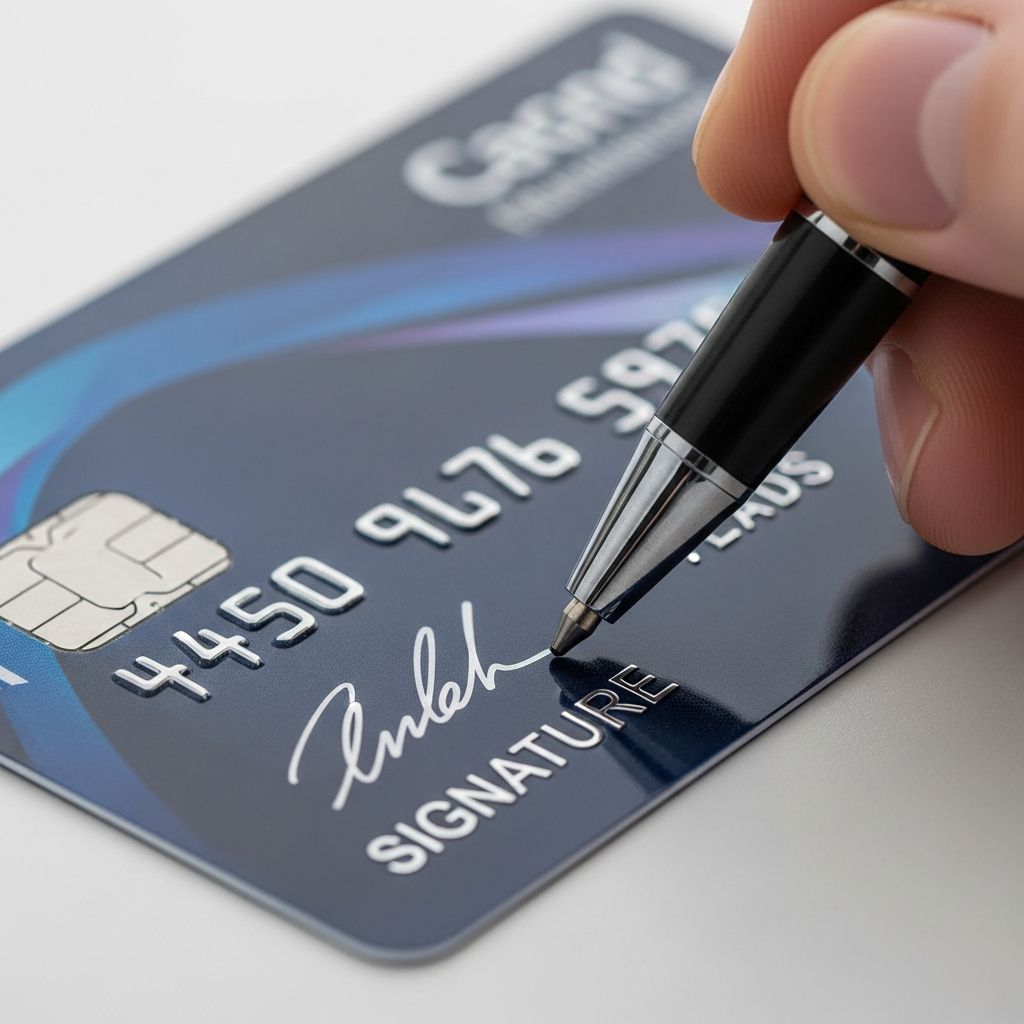
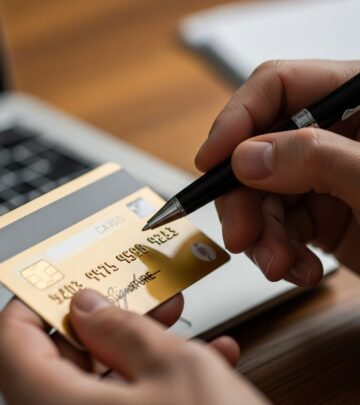
In an era dominated by contactless payments and advanced chip technology, the small white strip on the back of your credit card prompts a timeless question: should you sign it? This simple decision carries implications for fraud protection, merchant verification, and your overall financial security. While older habits suggested signing as a safeguard, evolving payment systems challenge that wisdom. This comprehensive guide examines the history, current relevance, and strategic choices surrounding credit card signatures.
The Evolution of Credit Card Security Measures
Credit cards have transformed dramatically since their inception. Early plastic relied heavily on physical signatures to verify ownership during transactions. Merchants would compare the signature on the receipt with the one on the card’s back strip, creating a basic layer of authentication. However, the rise of
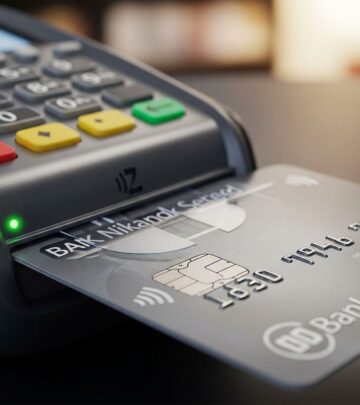
EMV chip technology
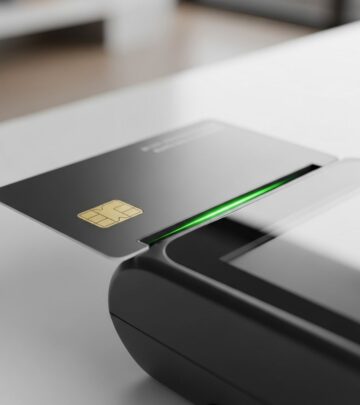
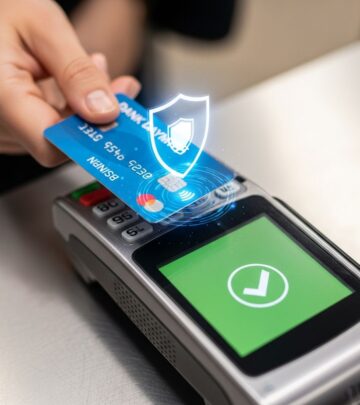
—short for Europay, Mastercard, and Visa—shifted the paradigm. These embedded microchips generate unique transaction codes, rendering replicated data useless for fraudsters.Today, in 2026, contactless payments via NFC (Near Field Communication) further diminish the signature’s role. Tapping your card or phone bypasses manual verification entirely. Despite these advances, some jurisdictions and merchants still request signatures, particularly for high-value in-person purchases. Understanding this evolution helps consumers decide whether to sign proactively or leave the strip blank.
Arguments in Favor of Signing Your Credit Card
Signing provides tangible benefits in specific scenarios, even amid technological progress. Here’s why some financial experts still advocate for it:
- Merchant Verification:** In rare cases where electronic methods fail, a signature offers a quick authenticity check. For instance, smaller retailers without full chip readers may rely on it.
- Legal Proof of Possession:** A signed card demonstrates legitimate ownership if disputed in court or insurance claims. Unsigned cards could complicate recovery efforts.
- Habitual Security:** For those prone to losing cards, a signature acts as a psychological deterrent, reminding users to safeguard their plastic.
Statistics underscore the value: According to federal guidelines, signed cards reduce certain fraud disputes by up to 20% in signature-required environments. While not foolproof, this low-effort step aligns with layered security principles.
Reasons to Skip Signing the Signature Strip
Conversely, leaving the strip blank or writing “Check ID” appeals to modern pragmatists. Chip-and-PIN systems, now standard in the U.S. and globally, prioritize dynamic data over static signatures. Here’s the case against signing:
- Irrelevance in Chip Transactions:** EMV chips cryptographically secure each swipe or tap, making signatures redundant. Fraud rates dropped 87% post-EMV adoption.
- Fraudster Convenience:** A pre-signed card allows thieves to forge matching receipts effortlessly. Unsigned cards force additional scrutiny.
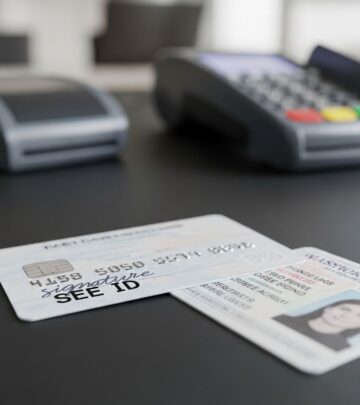
- “Check ID” Strategy:** Inscribing this phrase prompts merchants to verify identification, adding a human layer without handing thieves a ready signature.
Prominent issuers like Visa and Mastercard have de-emphasized signatures since 2011, focusing instead on biometrics and tokenization for online and mobile payments.
Comparing Signature Practices: Pros vs. Cons
To clarify the debate, consider this breakdown:
| Practice | Pros | Cons | Best For |
|---|---|---|---|
| Sign Your Name | Quick merchant match; legal ownership proof | Eases forgery; outdated for chips | High-value, signature-heavy merchants |
| Leave Blank | Forces ID checks; harder for thieves | May raise merchant suspicion | High-risk loss areas |
| “Check ID” | Combines verification layers | Not universally accepted | Balanced security seekers |
This table highlights no one-size-fits-all solution—choices depend on your spending habits and risk tolerance.
Current Industry Standards and Regulations
Major networks have evolved policies. Visa’s Universal Payment Channel rules permit no-signature transactions above certain thresholds, while Mastercard’s rules mirror this for EMV-compliant setups. U.S. federal law via the CARD Act mandates reasonable verification but doesn’t require signatures.
Merchant acquirers often train staff to bypass signatures for speed, prioritizing chip data. However, international travel introduces variability—some countries still mandate signatures alongside PINs. Stay informed via issuer apps, which often outline accepted verification methods.
Real-World Impact on Fraud Protection
Fraud analytics reveal signatures’ diminishing returns. Post-2015 EMV migration, U.S. counterfeit fraud plummeted from $8 billion to under $1 billion annually. Signatures now prevent less than 5% of in-person fraud, dwarfed by behavioral monitoring and AI-driven alerts.
Yet, hybrid threats persist. Lost/stolen cards account for 30% of claims; here, unsigned strips or ID prompts reduce liability under Regulation E, capping consumer losses at $50 if reported promptly. Proactive monitoring via apps trumps physical signatures every time.
Best Practices for Credit Card Security Beyond Signatures
Signatures are just one tool. Elevate protection with these strategies:
- Enable Transaction Alerts:** Real-time SMS/email notifications catch anomalies instantly.
- Use Virtual Card Numbers:** For online buys, generate one-time numbers via services like issuer digital wallets.
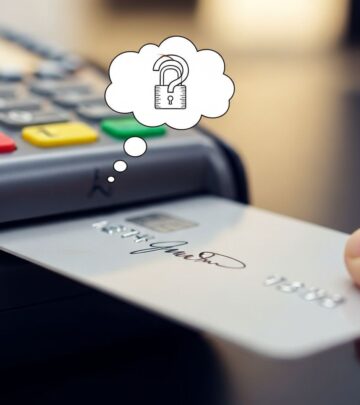
- Lock Your Card:** App-based controls freeze cards when not in use.
- Monitor Statements Weekly:** Catch small charges before they escalate.
- Adopt Biometrics:** Fingerprint or face ID for mobile payments adds unbeatable layers.
Integrating these reduces fraud risk by over 90%, per industry benchmarks.
Special Considerations for Travelers and High-Spenders
For globetrotters, sign if visiting signature-reliant regions like parts of Asia or rural Europe. High-limit cardholders benefit from signing to affirm ownership in disputes. Families should standardize practices across authorized users to avoid confusion.
Business cards often waive signatures entirely, relying on corporate controls. Review your issuer’s terms—many like Chase and Capital One explicitly state signatures are optional.
FAQs: Credit Card Signing Myths Busted
Q: Will an unsigned card get declined?
A: Rarely in chip-enabled U.S. merchants; signatures are optional per network rules.
Q: Does signing affect my credit score?
A: No direct impact—scores hinge on payment history, utilization, and inquiries.
Q: What’s best for online security?
A: Signatures irrelevant; use tokenization and VPNs instead.
Q: Can merchants refuse unsigned cards?
A: Yes, but it’s uncommon and challengeable under fair access laws.
Q: Should kids’ cards be signed?
A: Leave blank and pair with parental controls for safety.
Conclusion: Make an Informed Choice
Ultimately, signing your credit card boils down to personal context. In a chip-dominated world, it’s largely optional—but strategic for certain users. Prioritize multi-layered defenses over relics of the past. Consult your issuer for tailored advice, and remember: vigilance, not ink, secures your finances.
References
- Credit Card Approval: What Factors Matter? — Intuit Credit Karma. 2023-05-15. https://www.creditkarma.com/credit-cards/i/credit-card-approval
- 7 Things Credit Card Issuers Consider When You Apply — myFICO. 2024-02-10. https://www.myfico.com/credit-education/blog/7-things-credit-card
- 7 Ways to Ensure Your Credit Card Application Is Approved — Further. 2023-11-20. https://gofurther.app/blog/post/7-ways-to-ensure-your-credit-card-application-is-approved/
- How to Increase Your Approval Odds for a Credit Card — Chase Bank. 2025-01-08. https://www.chase.com/personal/credit-cards/education/basics/increase-approval-odds
- How to Get Approved for a Credit Card — Capital One. 2024-09-12. https://www.capitalone.com/learn-grow/money-management/credit-card-approved/
- 9 Tips for Maximizing Your Approval for a Credit Card — Bankrate. 2025-03-05. https://www.bankrate.com/credit-cards/advice/tips-for-getting-approved-for-a-credit-card/
Similar Articles








Read full bio of medha deb