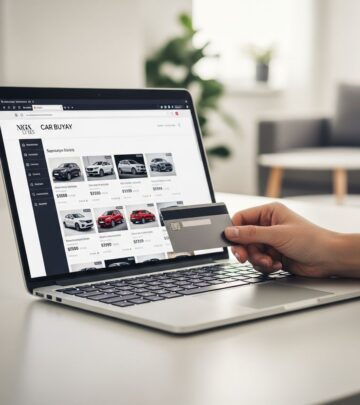
Car Broker Guide: Pros, Costs, Alternatives, And When To Hire
Discover if using a car-buying broker saves time, money, and stress—or if it's an unnecessary expense in your vehicle purchase journey.

Buying a car ranks among the largest purchases most people make, often fraught with high-pressure sales tactics, confusing financing options, and endless negotiations. In this environment,
car-buying brokers
—also known as auto brokers or buying services—emerge as a potential shortcut. These professionals claim to handle the legwork, secure better deals, and shield you from dealership pitfalls. But do they deliver value, or are they just another layer of cost? This article breaks down everything you need to know, from broker benefits and fees to real-world alternatives, empowering you to decide if hiring one aligns with your budget and needs.What Is a Car Broker?
A
car broker
acts as an intermediary between you and car dealerships. Unlike traditional salespeople who work for dealers, brokers represent buyers. They leverage industry connections, market knowledge, and negotiation expertise to locate vehicles matching your specifications at competitive prices. Services typically include needs assessment, vehicle sourcing, price negotiation, paperwork handling, and sometimes delivery.Brokers often specialize in new or used cars, luxury models, or specific brands. Many operate independently or through services like AutoNation Auto Broker or local firms. Their value proposition: saving you time and money by avoiding the dealership ‘game.’ According to financial planning resources, over 85% of new vehicles are financed, amplifying the importance of securing optimal terms—something brokers target.
Pros of Hiring a Car Broker
Hiring a broker offers distinct advantages, especially for time-strapped or negotiation-averse buyers. Here’s a closer look:
- Time Savings: Brokers scour multiple dealerships, test-drive vehicles, and manage communications—eliminating weeks of your weekends spent at lots.
- Expert Negotiation: With insider knowledge of invoice prices, holdback margins, and incentives, brokers often secure deals below market value. They handle haggling without emotional attachment.
- Access to Inventory: Brokers tap hidden dealer stock, auction vehicles, or off-market deals unavailable to walk-in customers.
- Stress Reduction: No pushy salespeople, upselling, or financing traps—brokers focus on your priorities.
- Better Financing Options: Many pre-arrange loans from credit unions or banks, potentially beating dealer rates. Prime credit buyers average 4.21% on new car loans versus 14.06% for subprime.
Real-world example: A broker might negotiate a $2,000-$5,000 discount on a $30,000 vehicle by exploiting end-of-month quotas or fleet incentives.
Cons of Hiring a Car Broker
Despite the appeal, brokers aren’t a panacea. Key drawbacks include:
- Fees Add Up: Expect $300-$1,500 flat fees, or 1-2% of the purchase price. This erodes savings unless the broker secures substantial discounts.
- Variable Quality: Not all brokers are equal—some lack credentials or prioritize volume over service. Vet via reviews, references, and affiliations like the National Automobile Dealers Association.
- Limited Scope: Brokers excel at negotiation but can’t inspect mechanics or guarantee post-sale issues. Used car buyers must still request history reports like AutoCheck.
- Dealer Resistance: Some dealerships dislike brokers, potentially limiting options or complicating trades.
- No Guarantees: Savings depend on market conditions; in seller’s markets, DIY might suffice.
How Much Does a Car Broker Cost?
Broker pricing varies by location, vehicle type, and service level. Common models:
| Fee Type | Typical Range | Notes |
|---|---|---|
| Flat Fee | $500-$1,000 | Most common; covers full service. |
| Percentage | 1-2% of price | Higher for luxury cars. |
| Hourly | $100-$200/hr | Rare; for consultations only. |
| Success Fee | Discount share | Broker takes portion of savings. |
Compare to DIY: Average used car loan is $20,446 versus $32,000+ for new, with interest savings from shorter terms (recommended ≤48 months). A broker fee pays off if they save 2x the cost.
Alternatives to Hiring a Car Broker
You don’t need a broker to succeed. Proven DIY strategies include:
- Research Thoroughly: Use sites like Edmunds or Kelley Blue Book for invoice prices and fair market values.
- Get Pre-Approved: Shop loans from banks/credit unions first—multiple inquiries within 30 days count as one.
- Time Purchases: Shop end-of-month, quarter, or model-year closeouts for motivated sellers.
- Negotiate Smartly: Focus on out-the-door price (including taxes/fees), not monthly payments.
- Consider Used: Cheaper loans and lower depreciation; always get vehicle history and inspections.
Budgeting tip: Factor total ownership costs—insurance, maintenance (oil changes, tires), down payments (20% ideal), and trade-ins.
When Should You Hire a Car Broker?
Brokers shine in these scenarios:
- Buying luxury/high-end vehicles where discounts are larger.
- Limited time (busy professionals, out-of-state moves).
- First-time buyers overwhelmed by process.
- Complex needs (fleet purchases, specific rare models).
- Poor negotiation skills or negative dealership experiences.
Skip if: You’re handy with research, buying budget used cars, or in a buyer’s market.
How to Choose the Right Car Broker
Select wisely:
- Check Credentials: Verify licensing, BBB ratings, and auto industry experience.
- Ask Key Questions: How do they source cars? Fee structure? Success examples? Dealer network size?
- Read Reviews: Seek client testimonials on independent sites.
- Get a Contract: Outline services, fees, timelines, and guarantees.
- Compare Quotes: Consult 2-3 brokers.
Frequently Asked Questions (FAQs)
Q: Do car brokers really save money?
A: Yes, potentially $1,000-$5,000 on average, but only if their discount exceeds fees. Results vary by market and broker skill.
Q: Are car brokers regulated?
A: Regulations differ by state; many require dealer licenses. Always confirm local compliance.
Q: Can brokers help with used cars?
A: Absolutely, though new cars are their forte. Insist on history reports and independent inspections.
Q: What’s the best time to use a broker?
A: During peak sales periods or for hard-to-find vehicles.
Q: How long does the process take?
A: 1-4 weeks, versus months DIY.
Final Thoughts: Is a Broker Right for You?
Car brokers offer convenience and expertise for a fee, ideal for complex buys but skippable with preparation. Weigh your time value, comfort level, and potential savings. Start with a budget: Differentiate needs (fuel efficiency) from wants (tech features), check credit 3-6 months ahead, and shop financing. Whether solo or with help, informed buyers win.
References
- 4 Steps to Simplify Car Shopping in the New Year — Wise Bread. 2023-01-01. https://www.wisebread.com/4-steps-to-simplify-car-shopping-in-the-new-year
- Budgeting: Automobile — Illinois State Board of Education (ISBE). 2020-06-01. https://www.isbe.net/CTEDocuments/FCS-650199.pdf
- Car Buying Part 1 – Going For Broker — Wise Bread. 2006-10-01. https://www.wisebread.com/car-buying-part-1-going-for-broker
Similar Articles








Read full bio of medha deb