Should You Get a Gold IRA? Complete Guide
Explore the benefits, risks, and considerations of investing in a gold IRA for retirement planning.
Should You Get a Gold IRA?
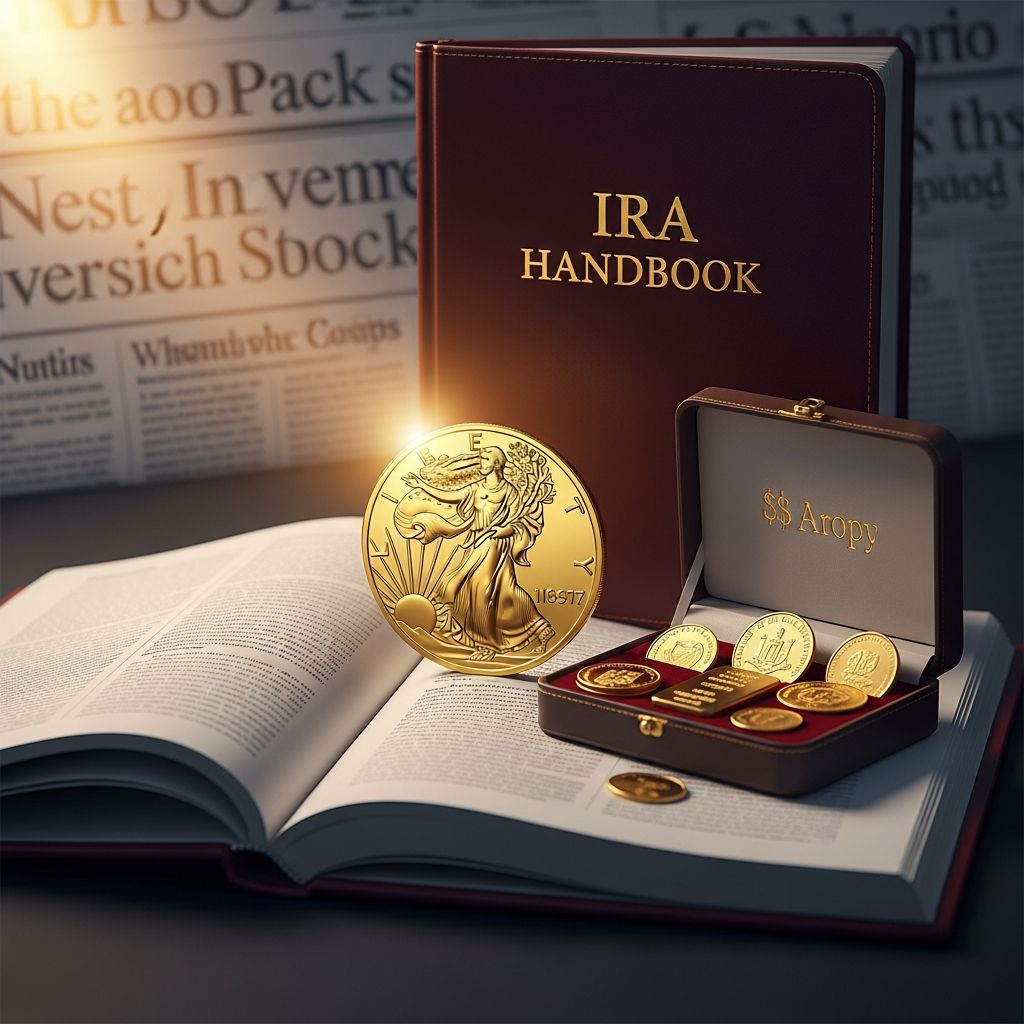
As investors seek ways to diversify their retirement portfolios and protect against market volatility and inflation, gold IRAs have gained considerable attention. A gold individual retirement account (IRA) is a self-directed retirement account that allows you to hold physical precious metals—including gold, silver, platinum, and palladium—alongside or instead of traditional investments like stocks and bonds. But whether a gold IRA is right for you depends on your financial goals, risk tolerance, and investment timeline.
What Is a Gold IRA?
A gold IRA is a type of self-directed IRA that permits you to invest in physical precious metals that aren’t typically allowed in conventional IRAs. Unlike traditional IRAs that primarily hold stocks, bonds, and mutual funds, gold IRAs enable investors to own tangible assets. The account operates similarly to a traditional IRA in terms of tax advantages—contributions may be tax-deductible and growth is tax-deferred—but it requires working with a specialized custodian and an IRS-approved depository to store the metals.
Gold IRAs can hold various forms of precious metals, including bars, ingots, rounds, and coins. To qualify for inclusion in an IRA, gold coins and bars must meet strict purity standards, typically 99.5% pure, while silver must be 99.9% pure. These requirements ensure that only investment-grade precious metals are held within the account.
How Gold IRAs Work
Setting Up Your Account
To establish a gold IRA, you must work with a gold IRA company—essentially a precious metals brokerage that facilitates account setup and handles necessary paperwork. The process typically involves selecting a custodian authorized by the IRS to manage and protect your assets. Some companies offer online express applications, making the setup process streamlined and accessible.
Funding Your Gold IRA
You can fund a gold IRA through several methods. New contributions are subject to annual IRS limits—the same limits that apply to traditional IRAs. Alternatively, you can roll over funds from an existing 401(k), traditional IRA, or Roth IRA. Rollovers can be executed in two ways: a direct rollover, where funds transfer directly between custodians, or an indirect rollover, where you receive the funds and deposit them yourself within 60 days.
Storage and Custody Requirements
The IRS mandates that all precious metals in an IRA must be stored in an IRS-approved third-party depository. This means you cannot keep your gold at home or in a personal safe deposit box. Companies like Advantage Gold partner with major storage providers such as Brink’s Global Services USA and Delaware Depository to safeguard client assets. This requirement ensures compliance with IRS regulations and provides security for your investment.
Benefits of Gold IRAs
Portfolio Diversification
One of the primary advantages of a gold IRA is diversification. Gold and other precious metals have historically moved differently than stocks and bonds, meaning they can reduce overall portfolio risk by not moving in lockstep with traditional investments. This diversification can help smooth returns over time.
Hedge Against Inflation and Market Volatility
Gold has long been considered a hedge against inflation and economic uncertainty. When the value of currency declines or market volatility increases, precious metals often retain or increase in value, protecting purchasing power. For retirees concerned about inflation eroding their savings, gold offers a tangible asset that maintains intrinsic value.
Tax Advantages
Gold IRAs offer the same tax advantages as traditional IRAs. Contributions may be tax-deductible depending on your income and other retirement accounts, and your investments grow tax-deferred within the account. Withdrawals after age 59½ are taxed as ordinary income, but the deferral period allows for substantial tax-free growth over decades.
Alternative Investment Opportunities
Self-directed IRAs can hold alternative investments beyond precious metals, including real estate and cryptocurrency. This flexibility allows investors to build truly customized retirement portfolios aligned with their investment philosophy and risk tolerance.
Risks and Limitations of Gold IRAs
No Guaranteed Price Appreciation
While gold can serve as a hedge, its price is not guaranteed to increase over time. Precious metals are subject to market fluctuations, and periods of prolonged decline can impact your retirement savings. Historical performance doesn’t guarantee future results, and investors must be comfortable with price volatility.
No Income Generation
Unlike stocks that may pay dividends or bonds that generate interest, physical precious metals produce no income. Your returns depend entirely on price appreciation. This makes gold unsuitable as a primary retirement income source and better suited as a diversification component rather than a core holding.
Storage and Insurance Costs
Maintaining a gold IRA involves ongoing expenses that traditional IRAs don’t. You must pay custodial fees, storage fees, and insurance costs to maintain your metals securely in an approved depository. These expenses reduce net returns and should be carefully considered when evaluating whether a gold IRA aligns with your financial objectives.
Liquidity Concerns
Converting precious metals to cash takes time. Unlike stocks that can be sold instantly during market hours, selling physical gold requires finding a buyer and processing the transaction, which may take several days. For investors who need quick access to retirement funds, this reduced liquidity can be problematic.
Gold IRA Fees and Costs
Gold IRA expenses typically include setup costs, ongoing management fees, storage charges, and insurance premiums. Administrative or management fees should ideally be below 1% to minimize the burden on your returns. Some companies offer promotional packages, such as waived account fees on qualifying purchases or buyback guarantees that commit to repurchasing metals at established prices.
Comparing fee structures across different gold IRA companies is essential. Some firms advertise low or no fees but may charge higher product markups, while others charge explicit fees but offer lower acquisition costs. Understanding the total cost of ownership ensures you select the most economical option for your situation.
Allocation Recommendations
Financial advisors generally recommend allocating only a small portion of your investment portfolio to precious metals—typically 5% or less. This conservative allocation strategy acknowledges gold’s defensive characteristics while preventing over-concentration in non-income-producing assets. For most investors, this means precious metals should complement rather than dominate a retirement strategy.
Your specific allocation should depend on your age, risk tolerance, investment timeline, and overall financial situation. Younger investors with longer time horizons may opt for minimal precious metals exposure, while those closer to retirement might increase their allocation to hedge retirement income risk.
Gold IRA vs. Traditional Retirement Accounts
| Feature | Gold IRA | Traditional IRA | 401(k) |
|---|---|---|---|
| Investment Options | Precious metals, alternative investments | Stocks, bonds, mutual funds | Employer-selected investments |
| Tax Treatment | Tax-deferred growth | Tax-deferred growth | Tax-deferred growth |
| Custodian Required | Specialized custodian required | Any custodian acceptable | Employer-designated custodian |
| Storage Requirements | IRS-approved depository mandatory | No physical storage needed | No physical storage needed |
| Ongoing Fees | Storage, insurance, custody fees | Minimal fees | Investment management fees |
| Withdrawal Flexibility | Physical metals or cash; standard IRA rules apply | Standard IRA withdrawal rules | Plan-specific rules |
Minimum Investment Requirements
Different gold IRA companies have varying minimum investment requirements. Some firms offer low minimums around $5,000-$10,000, making gold IRAs accessible to average investors. However, others require substantially higher minimums—for example, one premium provider requires $50,000 minimum investments. These minimums target different investor profiles, from those beginning to explore precious metals to established investors seeking premium services.
Is a Gold IRA Right for You?
Gold IRAs May Be Appropriate If You:
- Seek portfolio diversification beyond traditional stocks and bonds
- Worry about inflation eroding retirement purchasing power
- Have sufficient assets to cover ongoing fees without impacting returns
- Have a long investment timeline (10+ years minimum)
- Understand and accept the risks of precious metals investing
- Want exposure to alternative investments allowed in self-directed IRAs
- Prefer tangible assets over purely financial instruments
Gold IRAs May Not Be Appropriate If You:
- Need regular income from your retirement investments
- Require high liquidity and quick access to funds
- Have limited retirement savings and cannot afford additional fees
- Lack understanding of precious metals markets and price drivers
- Are uncomfortable with price volatility
- Prefer passive, low-maintenance investment options
- Plan to retire within 5-10 years
Considerations for Gold IRA Investing
Financial Stability of Gold IRA Companies
When selecting a gold IRA provider, verify their industry credentials and track record. Look for companies with BBB ratings, membership in industry organizations like the National Coin and Bullion Association, and transparent partnerships with reputable depositories. Research customer reviews and satisfaction ratings to gauge service quality and reliability.
Educational Resources
Reputable gold IRA companies provide educational materials to help investors understand precious metals markets, IRS regulations, and investment strategies. Companies offering webinars, guides, and personal consultation services demonstrate commitment to investor education and successful outcomes.
Buyback Guarantees
Many gold IRA companies offer buyback guarantees or commitment to repurchase metals at established prices. These programs provide liquidity assurance and reduce concerns about selling precious metals in unfavorable market conditions. However, carefully review terms and conditions, as buyback prices may differ from market prices.
Alternatives to Consider
If a gold IRA doesn’t align with your needs, several alternatives exist for gaining precious metals exposure or achieving similar investment objectives:
- Gold exchange-traded funds (ETFs) for low-cost, liquid precious metals exposure
- Gold mining stocks for equity-linked precious metals exposure
- Traditional IRAs and 401(k)s with diversified asset allocation
- Treasury Inflation-Protected Securities (TIPS) for inflation protection
- Real estate investments through self-directed IRAs for diversification
Steps to Open a Gold IRA
1. Research and Compare Companies: Analyze multiple gold IRA providers, comparing fees, minimum investments, storage options, and customer reviews.
2. Select a Provider: Choose a company that aligns with your needs and has strong industry credentials.
3. Complete Application: Fill out the account application, providing necessary personal and financial information.
4. Fund Your Account: Deposit funds or initiate a rollover from an existing retirement account.
5. Select Precious Metals: Choose which metals and specific products you wish to hold in your IRA.
6. Execute Purchase: Complete the purchase of IRA-eligible precious metals.
7. Arrange Storage: Ensure metals are transferred to an IRS-approved depository for safekeeping.
Frequently Asked Questions
Q: What is the difference between a gold IRA and a regular IRA?
A: A gold IRA is a self-directed IRA that holds physical precious metals, while a regular IRA typically holds stocks, bonds, and mutual funds. Gold IRAs offer alternative investment opportunities but require specialized custodians and depositories.
Q: Can I hold gold in my existing IRA?
A: No, traditional and Roth IRAs cannot directly hold physical precious metals. You must establish a separate self-directed gold IRA through a specialized provider.
Q: How much should I allocate to a gold IRA?
A: Financial advisors typically recommend allocating 5% or less of your portfolio to precious metals, with gold IRAs serving as a diversification tool rather than a core holding.
Q: What are the tax implications of withdrawing from a gold IRA?
A: Withdrawals after age 59½ are taxed as ordinary income. Early withdrawals before 59½ are subject to a 10% penalty plus income taxes, with limited exceptions.
Q: Can I roll over my 401(k) to a gold IRA?
A: Yes, you can perform a direct rollover from a 401(k) to a gold IRA. Consult with your gold IRA provider and 401(k) plan administrator to ensure proper execution.
Q: What happens to my gold IRA if I die?
A: Gold IRAs pass to designated beneficiaries as part of your estate. Beneficiaries receive the account contents and inherit the same tax-deferred status within an inherited IRA framework.
Conclusion
Whether you should get a gold IRA depends on your individual financial situation, investment objectives, and risk tolerance. Gold IRAs offer legitimate benefits for portfolio diversification and inflation protection, backed by thousands of years of gold’s store-of-value history. However, they come with meaningful costs, limited income generation, and require commitment to long-term holding periods.
Before investing, carefully evaluate your financial goals, understand all associated fees, and consider whether precious metals truly align with your retirement strategy. A gold IRA can be a valuable component of a well-diversified retirement portfolio, but it should typically represent a modest allocation supported by thorough research and realistic expectations about returns.
References
- Advantage Gold IRA Review — Money.com. 2024. https://money.com/advantage-gold-ira-review/
- Goldco Gold IRA Review — Money.com. 2024. https://money.com/goldco-gold-ira-review/
- Lexi Capital Gold IRA Review — Money.com. 2024. https://money.com/lexi-capital-gold-ira-review/
- Red Rock Secured Gold IRA Review — Money.com. 2024. https://money.com/red-rock-secured-gold-ira-review/
- How To Buy Gold With Your 401(k) — Money.com. 2024. https://money.com/how-to-buy-gold-with-your-401k/
- 7 Best Gold IRA Companies of November 2025 — Money.com. 2025. https://money.com/best-gold-ira-companies/
- Augusta Precious Metals Gold IRA Review — Money.com. 2024. https://money.com/augusta-precious-metals-gold-ira-review/
Similar Articles








Read full bio of medha deb