Should You Fix Up Your Car or Get a New One?
Discover smart strategies to decide between repairing your aging vehicle or investing in a new one to maximize savings and reliability.
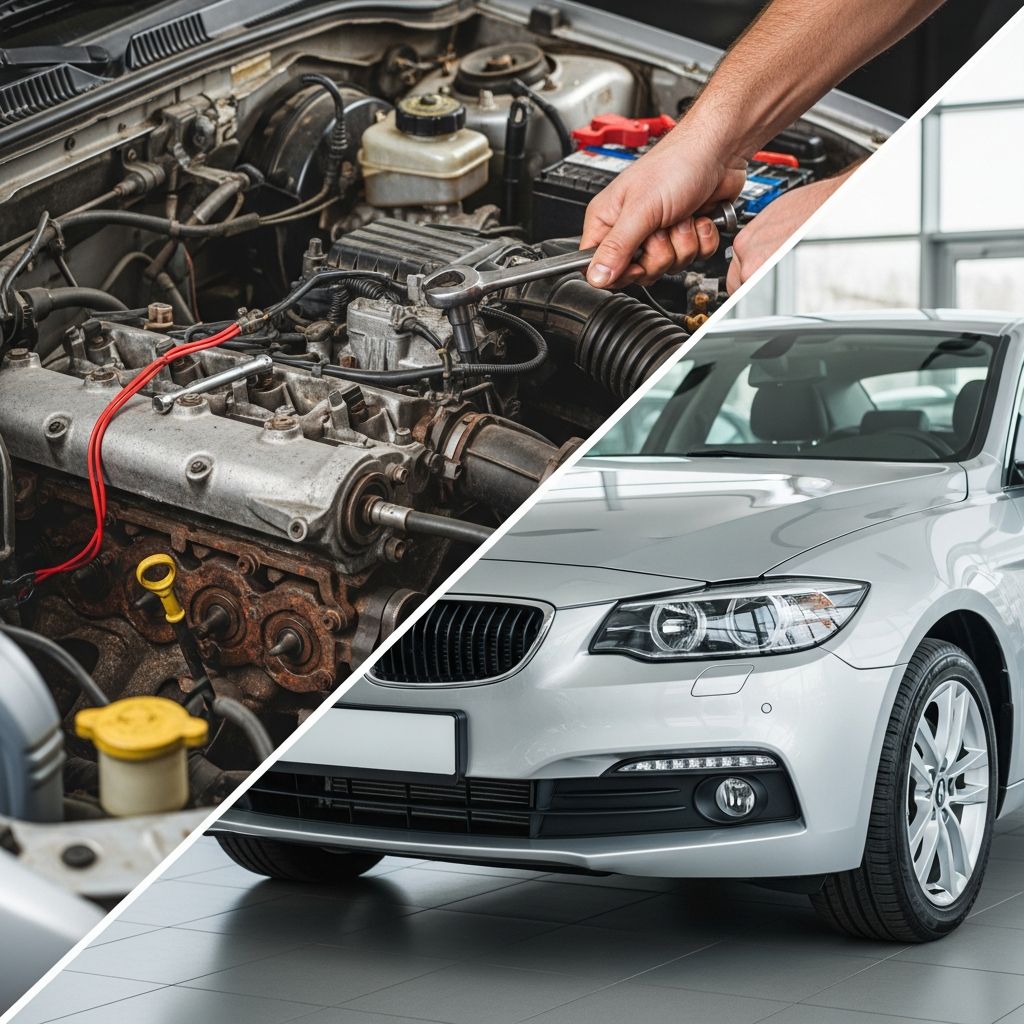
Your vehicle is on its last legs, and the mechanic just handed you a hefty repair bill. Do you sink more money into fixes, or cut your losses and shop for a replacement? This decision impacts your budget, safety, and peace of mind. We’ll break down key factors like repair costs, vehicle value, DIY options, recalls, and long-term ownership expenses to help you decide confidently.
Calculate the Total Cost of Ownership
The first step is assessing the
total cost of ownership (TCO)
for both paths. TCO includes repairs, insurance, fuel efficiency, depreciation, and financing. For an older car, ongoing fixes can exceed $1,000–$3,000 annually, while a new vehicle brings higher payments but lower maintenance.Use this simple framework:
- Repair Path TCO: Current value + 3–5 years of projected repairs + fuel/insurance.
- New Car TCO: Purchase price (or loan payments) + insurance hike + depreciation (20–30% in year 1).
| Factor | Repair Old Car | Buy New |
|---|---|---|
| Average Annual Cost | $1,200–$2,500 | $4,000–$6,000 (incl. payments) |
| 5-Year Total | $6,000–$12,500 | $20,000–$30,000 |
| Depreciation | Low (already depreciated) | High initially |
According to federal budgeting guidelines, factor in insurance (15–20% of car value) and trade-in allowances when budgeting autos. If repairs exceed 50% of your car’s Kelley Blue Book value, replacement often makes sense.
Assess Your Car’s Current Value
Determine your vehicle’s market worth using tools like Kelley Blue Book or Edmunds. Subtract repair costs from this value. If post-repair value doesn’t exceed $4,000–$5,000, a new purchase may yield better equity.
- High mileage (over 100,000 miles)? Repairs compound quickly.
- Cosmetic damage only? Skip bodywork if safety isn’t compromised.
For example, a 10-year-old sedan worth $6,000 facing $4,000 in engine work leaves minimal residual value, tipping scales toward replacement.
DIY Repairs: Save Big on Common Fixes
Before deciding, explore
DIY repairs
to slash costs. Many jobs cost under $100 in parts and take 1–2 hours.- Brake Pads: $50–$100 parts; lasts 30,000–50,000 miles. Complete all four wheels in under an hour.
- Battery Replacement: Easiest fix; disconnect negative cable first. Lasts 4–6 years.
- Oil Change: $20–$40; use filter wrench and drain pan for decades of use.
- Spark Plugs: Check every 30,000–40,000 miles; modern ones last 100,000 miles.
- Windshield Wipers/Headlights: $20–$40; minutes to install.
- Air/Cabin Filters: Pop in new ones via glove box.
- Windshield Chip Repair: $8–$15 kits prevent full replacement ($300+).
These DIYs can save $500–$1,000 yearly versus shop labor ($100/hour).
Check for Free Recall Repairs
Before paying, search the NHTSA database for
recalls
. Enter your VIN for free fixes on safety defects.- Examples: 14 recalls on 1999 Honda Accord; tires often untracked by makers.
- File complaints if issues persist; prevalent problems trigger recalls.
This could resolve breakdowns at no cost, extending your current car’s life.
Avoid Costly Repair Mistakes
Common errors inflate expenses. Sidestep these to make repairs viable.
- Cheap Mechanics: Opt for mid-tier shops with reviews; avoid bottom-dollar.
- Wrong Oil/Filter: Consult manual; mismatches cause $1,000+ sensor/converter failures.
- Skipping Maintenance: Dirty filters trigger check-engine lights and misfires.
- Ignoring Fluids: Antifreeze, transmission fluid—DIY changes per manual schedule.
- Not Reading Manual: Schedules inspections, DIY tips for longevity.
Proactive care per owner guidelines saves thousands long-term.
Repair vs. Replace: Key Thresholds
Decision rules:
- Fix if: Repairs < 30–50% car value; low mileage; reliable history; you DIY.
- Replace if: Major systems fail (transmission/engine); high repair frequency; poor fuel economy; safety risks.
Post-crash? Fix safety issues (radiator); pocket cosmetic insurance payouts if legal.
New Car Considerations
New vehicles offer warranties (3–5 years), better efficiency (20–30% MPG gains), and safety tech. But weigh:
- Payments: $400–$600/month; avoid if TCO exceeds budget.
- Extended Warranties: Often unnecessary; dealer markups high.
Certified pre-owned splits the difference: lower depreciation, warranty coverage.
Frequently Asked Questions (FAQs)
Q: When should I replace my car instead of repairing?
A: If annual repairs exceed $2,000 or surpass 50% of market value, or if major components like engine/transmission fail.
Q: Are DIY repairs safe for beginners?
A: Yes for basics like oil/battery; watch tutorials. Always torque properly (e.g., spark plugs) to avoid damage.
Q: How do I check for recalls?
A: Visit NHTSA.gov, enter VIN; free dealer fixes for open recalls.
Q: What’s the biggest car repair mistake?
A: Using wrong oil/fluids or skipping maintenance, leading to $1,000+ failures.
Q: Should I fix cosmetic damage?
A: No, if not safety-related; use insurance cash elsewhere.
Q: How much does owning a car cost yearly?
A: $6,000–$10,000 average, including payments, fuel, insurance, repairs.
Final Thoughts
Run the numbers: if DIY + recalls keep costs low, fix it up. Otherwise, upgrade for reliability. Track expenses monthly to refine your choice. Owning proactively saves thousands over time.
References
- 8 Easy DIY Car Repairs to Save Big — Wise Bread. 2015-approx. https://www.wisebread.com/8-easy-diy-car-repairs-to-save-big
- Did Your Car Break Down? Check for Recalled Parts and Fix It for Free — Wise Bread. 2010-approx. https://www.wisebread.com/did-your-car-break-down-check-for-recalled-parts-and-fix-it-for-free
- 8 Common Car Repair Mistakes That Can Cost You — Wise Bread. 2015-approx. https://www.wisebread.com/8-common-car-repair-mistakes-that-can-cost-you
- Repair the Car or Spend the Cash? — Wise Bread. 2010-approx. https://www.wisebread.com/repair-the-car-or-spend-the-cash
- Should You Fix Up Your Car or Get a New One? — Wise Bread. 2012-approx. https://www.wisebread.com/should-you-fix-up-your-car-or-get-a-new-one
- Budgeting: Automobile — Illinois State Board of Education (isbe.net). 1999 (authoritative budgeting standard). https://www.isbe.net/CTEDocuments/FCS-650199.pdf
Similar Articles








Read full bio of Sneha Tete