Should You Finance a Tiny Home with a Credit Card?
Explore the risks and smarter alternatives to using credit cards for tiny home financing in 2026.

The tiny home movement continues to gain momentum in 2026, appealing to those seeking affordable, minimalist living amid rising housing costs. Tiny homes, typically under 400 square feet, promise freedom from massive mortgages and bloated utility bills. However, financing one presents unique challenges, especially when considering high-interest options like credit cards. While technically possible, using a credit card for such a purchase can lead to crippling debt. This article breaks down the pros and cons, explores why credit cards are a poor choice, and highlights superior financing alternatives.
What Is a Tiny Home, and Why Are They Popular?
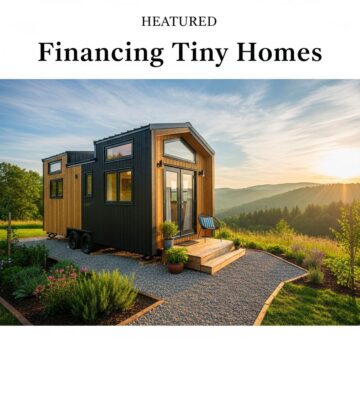
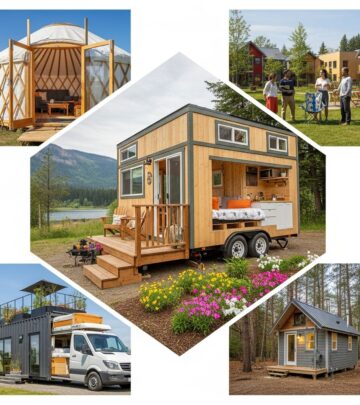
Tiny homes are compact dwellings, often built on wheels for mobility or on foundations for permanence. They range from $20,000 for basic DIY models to $150,000 for custom builds. Their popularity stems from affordability, sustainability, and lifestyle simplicity. According to industry data, tiny home owners report significantly less debt, with 89% carrying lower credit card balances than average Americans. Moreover, 68% own their homes mortgage-free, enjoying appreciating values in sub-500 sq ft structures.
Pros of tiny home living include drastically reduced costs—monthly expenses can drop to under $500—and environmental benefits like lower energy use. However, challenges like zoning restrictions, limited space, and financing hurdles persist.
The Appeal of Financing with a Credit Card
Credit cards offer immediate access to funds without a hard credit inquiry, making them tempting for quick tiny home purchases. If your limit covers the cost (say, $30,000-$50,000 for a mid-range model), you could charge materials or even a full build. Rewards points or cashback might sweeten the deal for large purchases.
Additionally, revolving credit provides flexibility—no fixed repayment schedule means you pay as you go up to your limit. For those with excellent credit and plans to pay off immediately, it could work short-term.
Why Credit Cards Are a Terrible Idea for Tiny Homes
Despite the convenience, credit cards are among the worst financing tools for tiny homes. Average interest rates hover at 21.37% to 24.36%, turning a $40,000 purchase into a long-term burden if not paid off instantly. Unlike installment loans, revolving debt accrues interest daily on unpaid balances, compounding rapidly.
- High Interest Trap: At 24% APR, minimum payments on $40,000 could stretch over 30 years, with total interest exceeding $100,000.
- No Collateral Protection: Lenders view this as unsecured risk, leading to sky-high rates.
- Credit Score Damage: Maxing out cards spikes utilization ratios, dropping scores by 100+ points and hindering future borrowing.
- Lack of Structure: Without fixed terms, it’s easy to carry balances indefinitely.
Experts unanimously advise against it unless you have cash reserves to clear the balance before the grace period ends. NerdWallet warns: ‘Unless you have savings to pay off right away, this isn’t recommended.’
Better Financing Alternatives for Tiny Homes
Fortunately, viable options exist tailored to tiny homes’ unique status—often classified as RVs or personal property rather than real estate.
Personal Loans
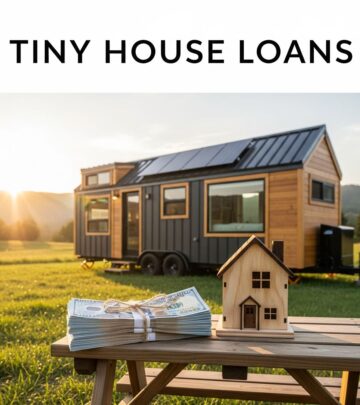
Personal loans are unsecured, flexible, and quick, ideal for tiny homes without requiring appraisals. Lenders like LightStream offer rates from 8.99% with autopay for good credit (670+). Average rates for 720+ scores are 17.18%, far below credit cards.
| Pros | Cons |
|---|---|
| No down payment | Shorter terms (2-7 years) |
| Same-day funding possible | Origination fees (1-8%) |
| Use for any purpose (build, furnish) | Higher rates for bad credit |
Minimum credit scores start at 580, but 700+ unlocks best terms.
RV Loans
For wheeled tiny homes, RV loans treat them as recreational vehicles, offering secured rates (often 6-10%) and terms up to 20 years. Down payments run 10-20%, with credit minimums of 660-700.
- Lower rates than personal loans
- Longer repayment
- Requires inspection and specific build standards
Not all lenders finance tiny homes, so shop specialty providers.
Home Equity Loans or HELOCs
If you own property, tap equity at rates around 8-9%. No down payment, usable for land or builds, but risks foreclosure. Credit minimum: 620-680.
Builder Financing
Some builders offer in-house loans with low-intro periods, streamlining the process but potentially with down payments and custom terms.
Cash Purchases
The gold standard: Save upfront to avoid debt entirely. Tiny homes’ low costs ($23,000 average) make this feasible with planning.
Tiny Home Costs: What to Budget For
Beyond purchase, factor in land ($20,000-$100,000), utilities hookup ($5,000-$15,000), and zoning compliance. Total outlay: $50,000-$200,000. Financing covers the build, but cash reserves prevent surprises.
| Cost Category | Estimated Range |
|---|---|
| Basic Tiny Home | $20,000-$60,000 |
| Custom Build | $80,000-$150,000 |
| Land/Foundation | $20,000-$100,000 |
| Utilities/Permits | $5,000-$20,000 |
Credit Scores and Approval Odds
Your credit is pivotal. Personal loans favor 580+, RV loans 660+. Poor credit hikes rates but doesn’t bar options—bad credit RV loans exist at premium rates. Regularly check credit via free services to qualify for best terms.
Pros and Cons of Tiny Home Living
Pros:
- Lower debt and costs
- Mobility and simplicity
- Financial freedom
Cons:
- Zoning battles
- Limited space/storage
- Depreciation risk
- Financing complexity
Frequently Asked Questions (FAQs)
Is it hard to get financing for a tiny home?
Yes, harder than traditional homes, but options like personal/RV loans exist. Review terms carefully.
What credit score do I need for a tiny-home loan?
Personal: 580+ (700+ best); RV: 660-700. Higher scores yield better rates.
Can I finance a tiny home with bad credit?
Possible via specialized personal/RV loans, though rates are higher.
Is cash the best way to buy a tiny home?
Yes—no interest or approvals needed.
Do tiny homes appreciate in value?
Sub-500 sq ft models often do, per owner stats.
Final Thoughts: Choose Wisely for Financial Freedom
Tiny homes embody debt-free living, but credit cards undermine that goal with exorbitant costs. Opt for personal loans, RV financing, or saving cash to preserve the lifestyle’s benefits. Consult lenders, check zoning, and run numbers—your future self will thank you.
References
- What to Know About Buying a Tiny House — NerdWallet. 2023. https://www.nerdwallet.com/mortgages/learn/buy-tiny-house
- Tiny home financing and loan options — Rocket Mortgage. 2024-01-15. https://www.rocketmortgage.com/learn/tiny-home-financing
- How to Finance a Tiny House — LendingTree. 2024. https://www.lendingtree.com/personal/how-to-finance-a-tiny-house/
- Is Buying a Tiny House an Affordable Alternative to Renting? — Experian. 2023-11-20. https://www.experian.com/blogs/ask-experian/buying-tiny-house-vs-renting/
- How To Finance A Tiny Home: 6 Options To Consider — Bankrate. 2025-05-10. https://www.bankrate.com/loans/home-improvement/tiny-home-financing/
- Tiny house trend: Why so many people are looking to live small — Fox Business. 2024-07-12. https://www.foxbusiness.com/real-estate/tiny-home-phenomena-the-pros-and-cons-of-living-in-a-micro-home
Similar Articles








Read full bio of medha deb