Undefined Guide To Buying Your Leased Car In 2025
Discover the pros, cons, and key factors to decide if buying out your leased car is a smart financial move at lease end.
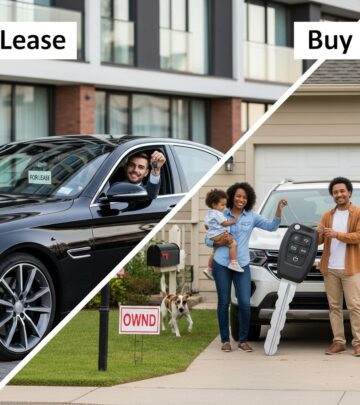
As your car lease nears its end, you’re faced with a pivotal decision: return the vehicle to the lessor or buy it outright through a lease buyout. This choice hinges on financial calculations, market conditions, your driving habits, and future plans. Most leases include a predetermined buyout price—often the residual value set at the lease’s start—allowing you to purchase the car directly from the leasing company. With new-car prices averaging over $48,000 and three-year-old used cars exceeding $30,000, buying your leased vehicle can sometimes be more economical than leasing or buying anew, especially amid rising used-car values due to factors like tariffs.
However, this isn’t always the best path. Higher insurance, registration fees, maintenance responsibilities, and potential repair costs post-warranty must be weighed. This comprehensive guide mirrors proven structures to help you evaluate all angles, from pros and cons to practical steps and FAQs.
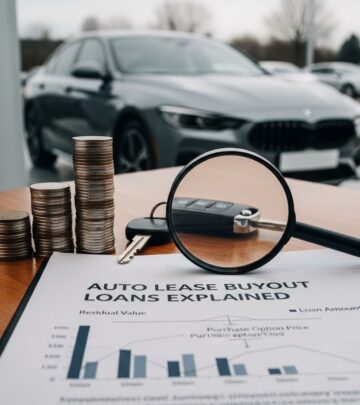
Understanding Your Lease Buyout Price
The foundation of any buyout decision is the lease-end payoff amount, typically the residual value—a percentage of the car’s original MSRP projected after depreciation. This figure is fixed early in the lease, protecting you if market values rise, as seen recently where used-car prices have surged. Contact your leasing company (often a bank or finance arm like Toyota Financial or GM Financial) 30-90 days before lease end for the exact quote, which includes the residual plus any fees for excess mileage, wear-and-tear, or disposition charges (around $300-$500 for returning the car).
To assess value, compare this buyout to current market prices using tools like Kelley Blue Book or Edmunds. If the buyout is below market—common in hot seller’s markets—buying and potentially reselling could yield profit. Conversely, if market values dip, negotiate a lower buyout; some lessors allow adjustments based on appraisals. Always review your contract for third-party buyout restrictions, as some manufacturers (e.g., certain luxury brands) prohibit dealers from paying off leases directly.
Pros of Buying Your Leased Car
Opting for a buyout offers several advantages, particularly in today’s market.
- Avoid Lease-End Fees: Excess mileage (typically over 10,000-15,000 miles/year at $0.15-$0.30/mile), wear-and-tear charges (dings, scratches beyond ‘normal’), and disposition fees add up quickly—often $1,000+ if you’ve pushed the car hard.
- No Mileage Limits: Post-buyout, drive freely without penalties, ideal if you’ve already neared limits or anticipate high usage.
- Equity and Resale Potential: If buyout < market value, instant equity. Sell privately or to a dealer for profit, or trade-in to reduce taxes on a new purchase (trade-in value lowers taxable amount in many states).
- Ownership Stability: End payments on a set date, redirect funds to savings or debt. Retain a familiar, reliable vehicle without new-car depreciation hit.
- Warranty Continuity: Many leases cover 3 years/36,000 miles; buying extends remaining warranty time, buffering early post-lease repairs.
In scenarios like over-mileage or strong used markets, buyouts shine—saving thousands versus fees or new leases.
Cons of Buying Your Leased Car
Despite upsides, pitfalls abound, especially for long-term ownership.
- Higher Monthly Payments: Lease payments cover depreciation only; buyout loans amortize full value plus interest, raising payments significantly (e.g., $300/month lease to $500+ loan).
- Post-Warranty Maintenance: Leased cars are often warrantied; buying shifts all repair costs to you. Near-warranty-end vehicles risk expensive fixes like transmissions or electronics.
- Increased Ownership Costs: Expect higher insurance (full coverage required longer), registration, and taxes. New cars post-turn-in might cost more here too, but owned cars accrue these indefinitely.
- Depreciation Risk: You’ve already absorbed prime depreciation; further drops could leave you upside-down if reselling later.
- Financing Hurdles: Buyout loans may carry higher rates than new-car financing; shop credit unions or banks.
Leasing perpetually avoids ownership hassles but costs more long-term without equity buildup.
When It Makes Sense to Buy
Target these situations for a buyout:
- Buyout price under market value (check KBB/Edmunds).
- High mileage or wear would trigger big fees.
- You love the car and plan 5+ more years of use.
- Used-car market favors sellers (current trend).
- Trade-in for new vehicle, saving sales tax.
Avoid if repairs loom, you crave new tech/safety features, or prefer low payments without commitment.
Financial Comparison: Buyout vs. Alternatives
Run the numbers. Assume a 3-year-old SUV with $25,000 buyout, 40,000 miles.
| Option | Upfront Cost | Monthly (5 yrs) | Total 5-Yr Cost | End Value |
|---|---|---|---|---|
| Buyout + Loan @6% APR | $0-$2k down | $475 | $30,500 | $15k resale |
| Return + New Lease | $3k down | $550 | $35,000 | $0 |
| Return + Buy Used | $5k down | $520 | $36,200 | $10k resale |
Adjust for your fees, rates, mileage. Buyout wins if low fees and good resale; new lease suits minimalists.
Steps to Buy Your Leased Car
- Get Quote: Request payoff from lessor; inspect for fees.
- Value Check: Appraise via KBB, Carvana offers.
- Secure Financing: Prequalify loans; credit unions often beat dealer rates.
- Negotiate: Haggle buyout if undervalued; consider third-party if trading.
- Buy & Title: Payoff direct; handle DMV registration, tax (trade-in saves).
- Pre-Purchase Inspection: Mechanic check for hidden issues.
Frequently Asked Questions (FAQs)
Can I negotiate my lease buyout price?
Yes, especially if market value exceeds residual. Provide appraisals; lessors may adjust to close deals.
What fees apply at lease end?
Excess mileage ($0.15-$0.30/mile), wear/tear ($100+ per ding), disposition ($395 avg.), taxes. Waived on buyout.
Is buying out better than trading for a new car?
Often yes—trade lowers new car’s taxable price, saving 5-10% sales tax.
How does insurance change post-buyout?
Potentially drops if switching from full lease-required coverage, but shop quotes.
What if I want to sell the bought-out car?
Title in your name first; private sale maximizes profit over dealer trade.
Final Considerations
Deciding to buy your leased car demands personalized math: tally fees avoided vs. ownership costs ahead. In rising used-car markets, buyouts frequently save money and hassle. Test drive alternatives, consult financial advisors, and prioritize long-term fit. Ownership builds equity; perpetual leasing offers flexibility—choose based on your horizon.
References
- Should You Buy the Car You’re Leasing? — Consumer Reports. 2024-10-15. https://www.consumerreports.org/cars/buying-a-car/why-you-should-consider-buying-your-leased-car-a8796205972/
- The Pros and Cons of an Auto Lease Buyout — SchoolsFirst FCU. 2025-01-08. https://www.schoolsfirstfcu.org/advice/financial-wellness/auto/the-pros-and-cons-of-an-auto-lease-buyout/
- Leasing vs. Buying a Car: Pros and Cons — Travelers Insurance. 2024-11-20. https://www.travelers.com/resources/auto/buying-selling/leasing-a-car-pros-and-cons
- Pros and Cons of Leasing a Vehicle — Toyota Official Site. 2025-03-12. https://www.toyota.com/car-tips/pros-cons-leasing-vehicle/
- The Pros and Cons of Buying Out Your Car Lease — Guardian Credit Union. 2024-09-05. https://www.guardiancu.org/blog/the-pros-and-cons-of-buying-out-your-car-lease/
- Things to Consider Before Buying a Previously Leased Car — Capital One Auto Navigator. 2024-07-22. https://www.capitalone.com/cars/learn/getting-a-good-deal/things-to-consider-before-buying-a-previously-leased-car/1600
Similar Articles








Read full bio of Sneha Tete