Should You Buy a Car With a Credit Card?
Explore the pros, cons, and smart strategies for purchasing a vehicle using plastic—could it save you money or lead to financial pitfalls?
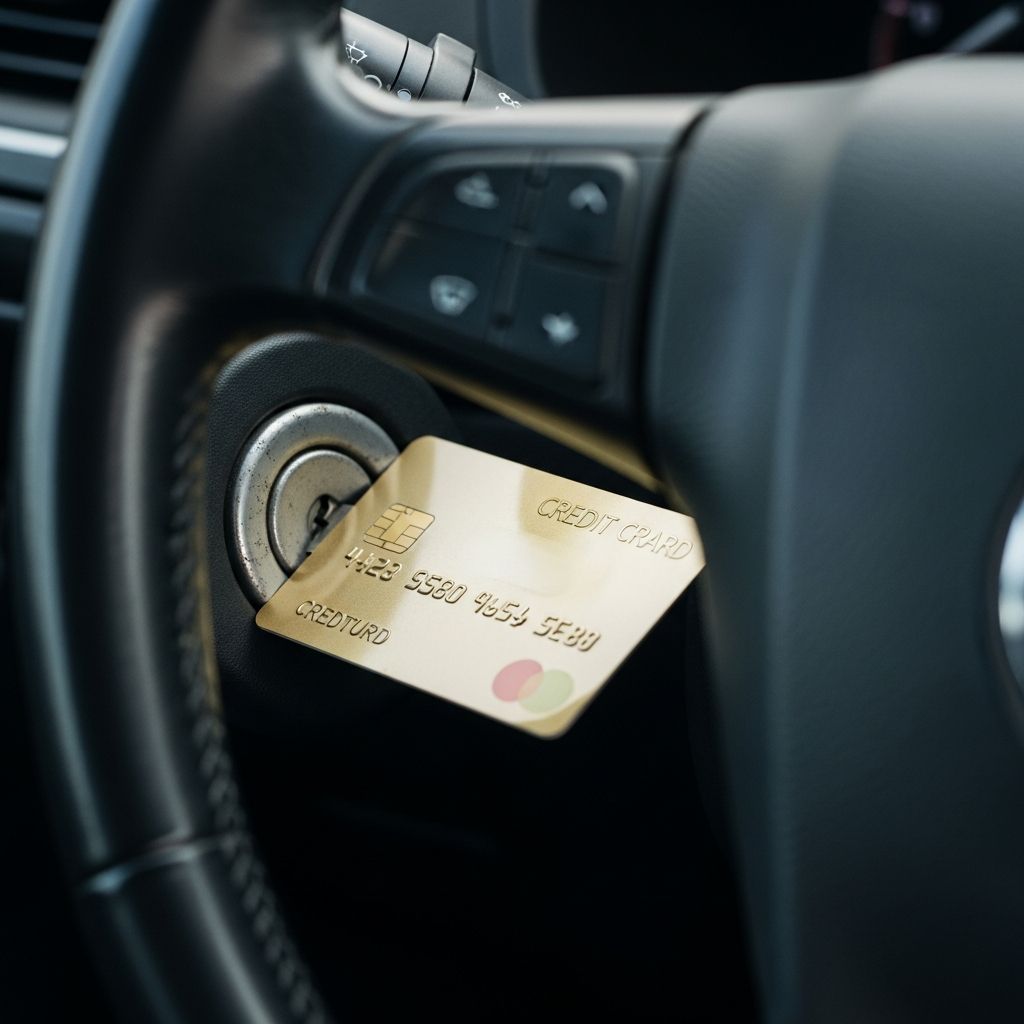
While most car buyers turn to cash, auto loans, or dealer financing, using a credit card for all or part of the purchase has gained attention, especially with high-limit cards and promotional offers. This approach can unlock valuable rewards but introduces significant risks like merchant surcharges and credit utilization spikes. Below, we break down the key considerations to help you decide if it’s a viable strategy.
Can You Even Buy a Car With a Credit Card?
Yes, it’s technically possible, but not always straightforward. Dealerships often accept credit cards for small down payments or fees, but full purchases face hurdles. Many dealers impose
convenience fees
of 2-4% to offset processing costs, which can add thousands to a $30,000 vehicle. Some refuse large transactions outright due to credit card network limits or internal policies.- Down payments: Commonly accepted, up to $5,000-$10,000 depending on the dealer.
- Full price: Rare; requires pre-approval from the card issuer and dealer willingness.
- Multiple cards: Some buyers split payments across cards to maximize rewards, but this needs dealer cooperation.
Call ahead to confirm policies. Independent dealers may be more flexible than large chains.
The Pros of Paying for a Car With Your Credit Card
Despite the barriers, compelling benefits exist for those with excellent credit and high-limit cards.
Earn Big Rewards and Cash Back
Premium travel or cash-back cards offer 2-5% returns on purchases. On a $40,000 car, that’s $800-$2,000 in value—far exceeding typical dealer fees if you pay in full quickly. Cards like Chase Sapphire Preferred or Capital One Venture multiply points for travel redemptions.
| Card Type | Rewards Rate | Potential on $30K Car |
|---|---|---|
| Cash Back | 2-3% | $600-$900 |
| Travel Points | 3-5x points | $900-$1,500+ value |
| 0% Intro APR | N/A | Interest-free financing |
Buyer Protections and Purchase Perks
Credit cards provide dispute rights under the Fair Credit Billing Act, useful for post-purchase issues like mechanical failures. Some cards extend warranties or offer purchase protection up to $10,000 per claim. Promo periods (12-21 months 0% APR) act like interest-free loans if paid off timely.
Build Credit History
A large, paid-off purchase lowers utilization (ideally under 30%) and boosts scores if managed well.
The Cons: Why It’s Often a Bad Idea
The allure fades under scrutiny. High costs and risks dominate for most buyers.
Dealer Surcharges and Processing Fees
Fees of 3% average $900 on a $30,000 car, wiping out rewards. Some states ban these, but enforcement varies.
Credit Limit and Utilization Risks
Maxing a card tanks your score temporarily. Lenders view high utilization negatively during mortgage or loan applications.
High Interest Trap
Miss the promo window? APRs of 20%+ accrue massive interest. Average U.S. credit card debt exceeds $6,000; a car could double that.
- Opportunity cost: Ties up credit needed for emergencies.
- Approval hurdles: Dealers may require floor limit authorizations.
Alternatives to Credit Card Car Purchases
Smarter paths exist without the pitfalls.
0% APR Dealer Financing
Manufacturers like Ford or Toyota offer 0-3.9% for 60 months—often better than cards. Check Bankrate or Edmunds for current deals.
Personal Loans or HELOCs
Fixed rates (5-10%) with lower risk to credit utilization.
Cash or Prepaid Cards
Avoid debt entirely; negotiate better with cash buyers.
Business Credit Cards (For Entrepreneurs)
High-limit business cards (e.g., U.S. Bank, Wells Fargo) offer 0% periods without personal credit impact. Ideal for rentals or flips, with tax deductions.
Steps to Buy a Car With a Credit Card Safely
If proceeding, follow this checklist:
- Verify dealer acceptance: Ask about fees, limits, and multiple-card use.
- Choose the right card: High limit, 0% APR promo, strong rewards.
- Pre-notify issuer: Avoid fraud flags on large charges.
- Plan payoff: Use a spreadsheet; set autopay for full balance.
- Negotiate fees: Waive surcharges by threatening to walk.
- Inspect vehicle: Use protections fully.
Real-World Examples and Case Studies
Enthusiasts report success: One buyer earned 150,000 points ($2,500 value) on a $35,000 SUV, paying off in 15 months via 0% promo. Pitfalls abound—a family faced 25% interest after missing payments, adding $4,000 in costs.
Business owners thrive: Using LLC cards for Turo rentals builds business credit while earning uncapped rewards.
Frequently Asked Questions (FAQs)
Is it legal to charge a car surcharge?
Yes in most states, but capped (e.g., 4% max). Check local laws.
What’s the highest amount approved?
Up to $100,000+ with premium business cards, per dealer anecdotes.
Does it affect my credit score long-term?
No, if paid off; yes if utilization stays high.
Can I use rewards points for down payments?
Some programs allow statement credits, but not direct payments.
Best cards for this in 2026?
Chase Ink Business Unlimited (1.5% cash back, no fee) or Amex Business Gold (4x categories).
Final Verdict: Proceed With Extreme Caution
Buying a car with a credit card suits high-credit users chasing rewards with ironclad payoff plans. For most, fees, interest, and risks outweigh benefits—opt for low-rate financing instead. Always run numbers: rewards minus fees versus loan APR.
References
- Buying a Car With a Credit Card (Do’s & Don’ts) — Lucky (YouTube Channel). 2021-01-01. https://www.youtube.com/watch?v=W7yzUdW9ecg
- Should You Buy a Car With a Credit Card? — Wise Bread. Accessed 2026. https://www.wisebread.com/should-you-buy-a-car-with-a-credit-card
- Cars and Transportation — Wise Bread (Category Page). Accessed 2026. https://www.wisebread.com/topic/personal-finance/cars-and-transportation
- Consumer Financial Protection Bureau: Credit Card Protections — CFPB.gov. 2024-06-15. https://www.consumerfinance.gov/consumer-tools/credit-cards/rights-responsibilities/
- Federal Reserve: Consumer Credit Report — FederalReserve.gov. 2025-09-01. https://www.federalreserve.gov/releases/g19/current/
Similar Articles








Read full bio of Sneha Tete