Should You Budget Like You Diet? 50/30/20 Balanced Plan
Discover why treating your budget like a diet can lead to sustainable financial health without the crash-and-burn pitfalls.

Creating a budget feels a lot like starting a diet. You dive in with optimism, tracking every expense as if it were a calorie, celebrating small wins like skipping that daily latte. But soon, the thrill fades. Youre ”hungry” for more spending freedom, resenting the restrictions, and tempted by impulse buys like old diet foes—Ben & Jerry’s for your wallet. This analogy isn’t just cute; it reveals why so many budgets fail and how to craft sustainable financial habits instead.
The Honeymoon Phase: Excitement and Early Wins
Both diets and budgets start strong. On day one of a diet, you weigh portions meticulously, swap fries for salads, and the scale rewards you with quick losses. Tweets fly about your progress. Similarly, a new budget sparks joy: you log expenses, cut subscriptions, and watch savings grow. That first paycheck surplus feels like shedding five pounds overnight.
Psychologically, this mirrors the dopamine hit from visible progress. Neuroscientists note that early successes release feel-good chemicals, fueling motivation. In finance, apps like Mint or YNAB amplify this by gamifying tracking. But here’s the catch: these wins are often low-hanging fruit—easy cuts like unused gym memberships or eating out less.
The Hunger Sets In: Resentment and Slip-Ups
Then reality bites. Meals leave you unsatisfied; carrot sticks can’t compete with ice cream. Weighing food becomes tedious, and menu restrictions breed rebellion. Budgets follow suit: after essentials, you’re left craving small joys—a coffee run, new shoes. Logging every dime feels oppressive, leading to ”budget fatigue”.
Studies from the American Psychological Association show willpower is finite, like a muscle that tires. Strict calorie counting depletes it, causing binges. Financially, zero-based budgets—assigning every dollar—demand constant vigilance, often leading to overspending rebounds. One user shared: ”I budgeted like a crash diet, starved my wants, then splurged on a shopping spree.”
Why Crash Budgets Fail Like Crash Diets
Crash diets promise rapid results but ignore sustainability. Keto or juice cleanses yield short-term losses, but 95% regain weight within years, per UCLA research. Budget equivalents—extreme frugality like no-spend months—slash debt fast but burn out users. You resent limits, skip fun, and eventually revolt with retail therapy.
Key failure points:
- Rigidity: No room for life’s curveballs, like car repairs, mirroring forbidden foods triggering binges.
- Ignored Emotions: Diets overlook joy from treats; budgets ban ”wants,” breeding guilt.
- No Long-Term Plan: Focus on restriction, not habit-building.
Financial experts agree: unsustainable systems flop. Instead of all-or-nothing, aim for balance.
A Better Way: The Balanced Budget Diet
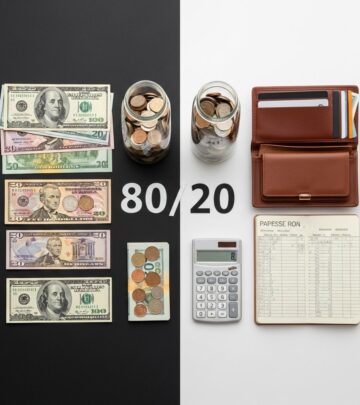
Just as nutritionists advocate 80/20 rules—80% healthy, 20% treats—financial gurus promote the
50/30/20 rule
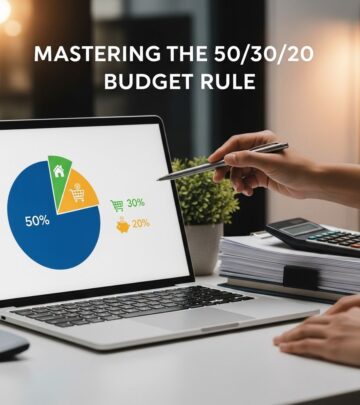
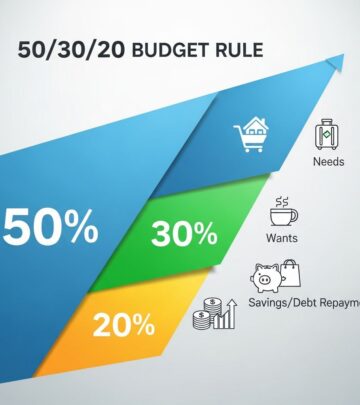
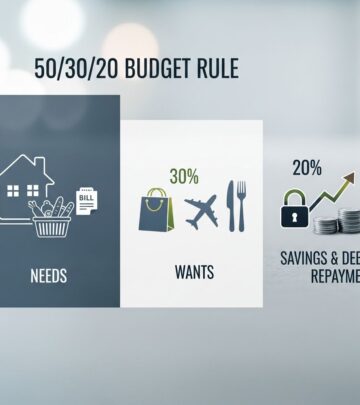
from Elizabeth Warren’s All Your Worth. Parse after-tax income: 50% needs (rent, groceries), 30% wants (dining, hobbies), 20% savings/debt. It’s sustainable, guilt-free, allowing pizza Fridays without derailing goals.| Category | Percentage | Example Monthly Spend ($4,000 Income) |
|---|---|---|
| Needs | 50% | $2,000 (housing, utilities, food) |
| Wants | 30% | $1,200 (entertainment, shopping) |
| Savings/Debt | 20% | $800 (emergency fund, retirement) |
This isn’t a crash diet; it’s lifestyle change. Can’t hit exact ratios? Aim close—54/30/16 beats 75/15/10.
Track Without Obsessing: Like Logging Meals Smartly
Diets succeed with flexible tracking—apps like MyFitnessPal, not constant scales. Budgets thrive similarly: weekly reviews, not daily micromanaging. Zero-based budgeting assigns every dollar but suits detail-lovers; for most, envelope systems or auto-transfers work.
- Auto-Pilot Savings: Transfer 20% to savings first—like pre-portioning veggies.
- Weekly Check-Ins: Adjust as needed, preventing hunger-like overspending.
- Apps: YNAB for zero-based, Simplifi for values-alignment.
Handle Cravings: Budget Cheat Days
Diets allow 10% indulgences; budgets need them too. Schedule ”fun money”—$50 weekly for guilt-free spends. This prevents binges. Values-based budgeting aligns spending with priorities: family vacations if that’s core, cutting elsewhere.
Pro Tip: Like meal prepping, prep finances—automate bills, stock emergency fund for 3-6 months expenses.
Long-Term Success: Habits Over Heroics
Plateau in dieting? Tweak macros, add walks. Budget plateaus? Refine categories, negotiate bills. Success stories abound: one follower used 50/30/20 for three years, building wealth without misery.
Frugal eating ties in—budget like healthy meals: grains, veggies cheap and nutritious, splurge on quality protein. Home cooking slashes costs 50%, per USDA data.
Frequently Asked Questions (FAQs)
Q: Is the 50/30/20 rule for everyone?
A: It’s ideal for balanced lives but adjust for high-cost areas (e.g., 60/25/15). Test and tweak.
Q: How do I stick to a budget long-term?
A: Build habits gradually, track wins, join communities for accountability. Avoid extremes.
Q: What’s zero-based budgeting?
A: Every dollar assigned; great for debt payoff but intensive.
Q: Can budgeting feel like dieting without failing?
A: Yes, with flexibility—like 80/20 eating. Prioritize sustainability.
Q: How does food budgeting fit?
A: Treat groceries as needs; meal plan for savings, allow treats in wants.
Final Thoughts on Sustainable Financial Wellness
Budgeting like a smart diet means balance, not deprivation. Embrace the 50/30/20 framework, track mindfully, and allow joys. Your wallet will thank you with lasting health, just like your body after consistent nutrition.
References
- All Your Worth: The 50/30/20 Budget Framework — Elizabeth Warren and Amelia Warren Tyagi. 2005 (authoritative framework, timeless principles). https://www.aol.com/finance/budgeting-strategies-193352485.html
- 5 Popular Budgeting Strategies Including 50/30/20 Rule — AOL Finance. 2024-10-15. https://www.aol.com/finance/budgeting-strategies-193352485.html
- USDA Food Cost and Nutrition Guidelines — United States Department of Agriculture (.gov). 2025-01-01. https://www.ers.usda.gov/data-products/food-price-outlook/summary-findings
- Consumer Financial Protection Bureau Budgeting Tools — CFPB (.gov). 2025-06-01. https://www.consumerfinance.gov/consumer-tools/budgeting/
- Willpower and Spending Habits Research — American Psychological Association. 2023-03-20. https://www.apa.org/topics/willpower
Similar Articles








Read full bio of Sneha Tete